Introduction
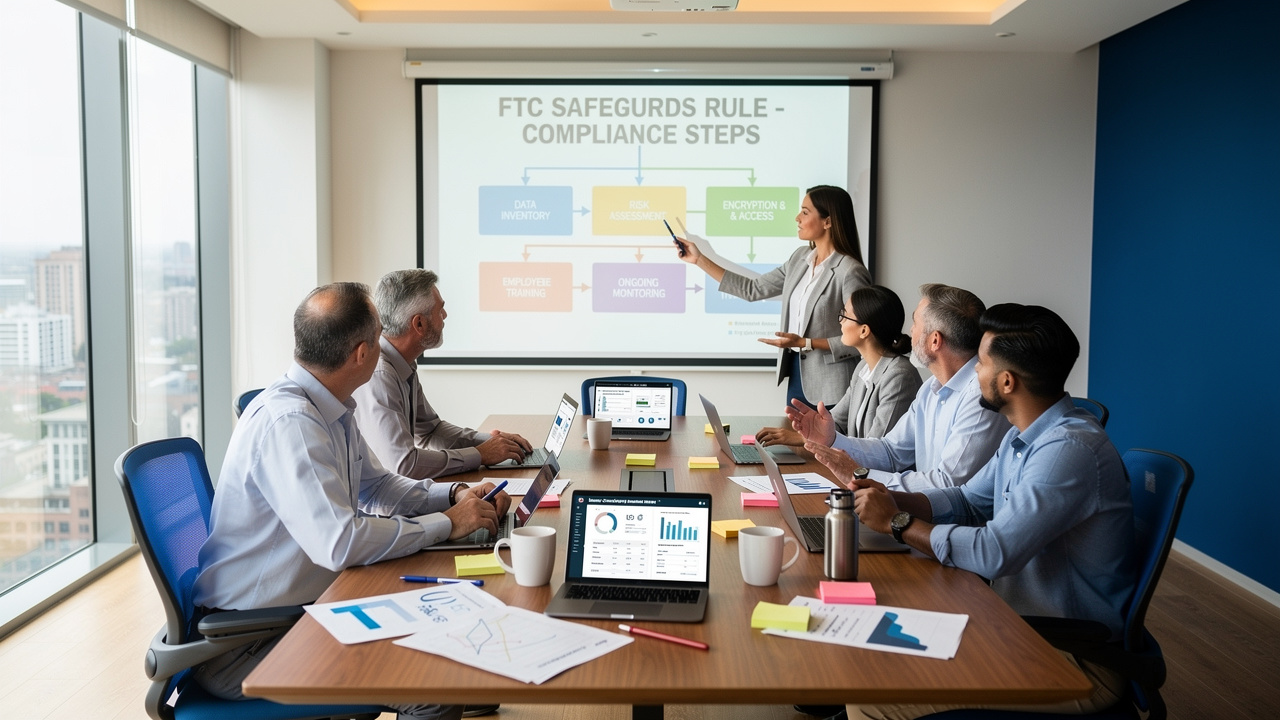
In an era where data breaches are rampant, the urgency for financial institutions to safeguard customer information has never been more critical. Let’s explore the essential steps your business can take to comply with these regulations and protect sensitive data. With the impending compliance deadline and stricter reporting requirements, organizations must ask: how can they navigate these complexities to avoid severe penalties and maintain customer trust?
Understand the FTC Safeguards Rule and Its Implications
In an era where data breaches are rampant, the FTC Safeguard Rules stand as a critical mandate for financial institutions to protect customer information. This regulation ensures the confidentiality and protection of sensitive data, highlighting the importance of understanding the FTC Safeguard Rules for businesses.
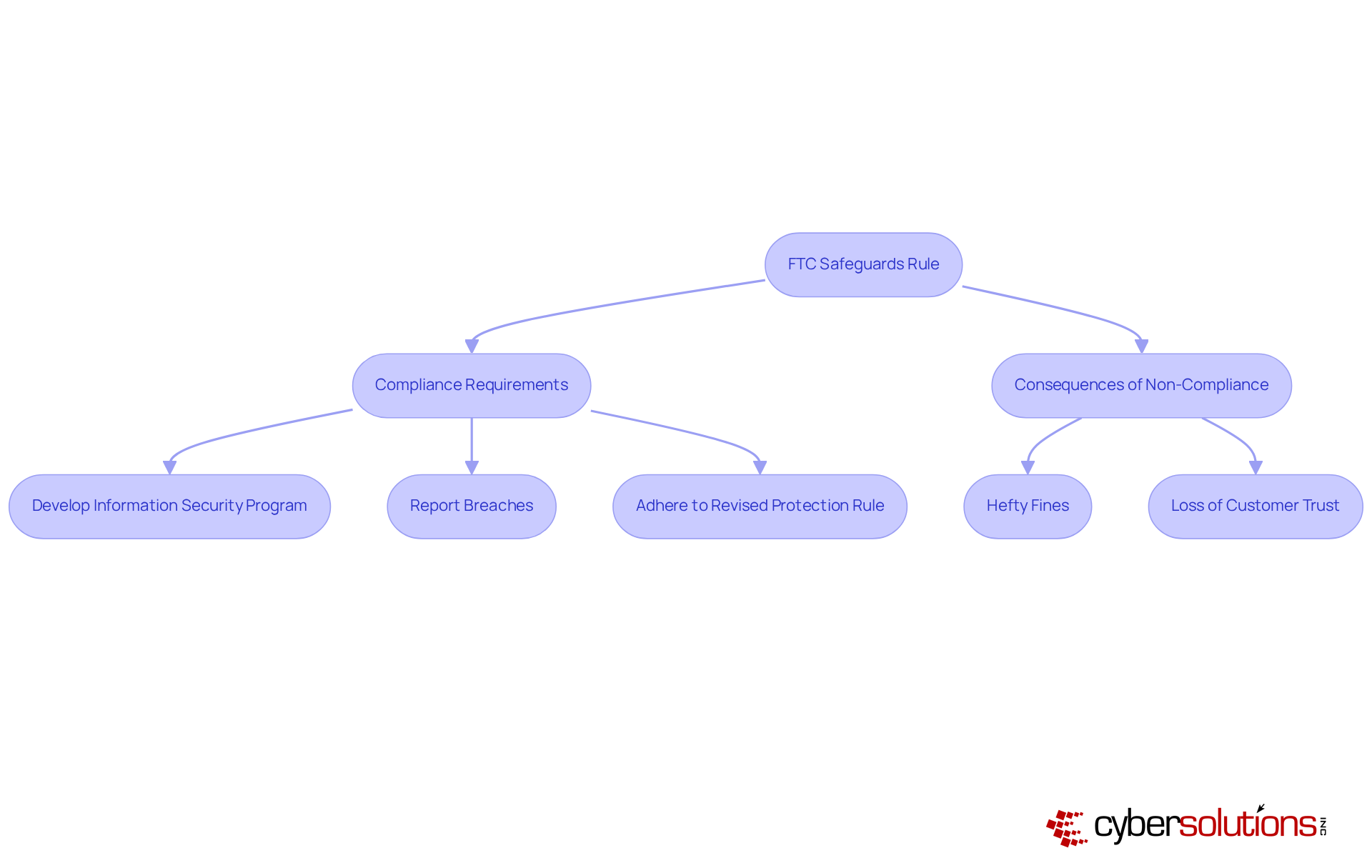
To comply, businesses must develop a robust information security program that clearly defines responsibilities for protecting customer data. With the revised Protection Rule set to take effect in just 180 days, organizations face mounting pressure to comply or risk severe penalties. Notably, the threshold for reporting unauthorized access has been lowered from 1,000 consumers to 500, requiring institutions to report breaches involving unencrypted data of 500 or more consumers within 30 days of discovering the incident.
Ignoring these regulations could lead to not only hefty fines but also a significant loss of customer trust. Therefore, businesses must recognize the importance of adhering to the FTC Safeguard Rules to maintain customer trust and avoid legal repercussions.
To navigate these complexities, Cyber Solutions offers Compliance As A Service (CaaS), providing businesses with comprehensive solutions that include:
- Risk assessments
- Policy development
- Ongoing regulatory oversight
This service is a game-changer for regulated organizations, helping them meet Compliance Rule requirements efficiently while minimizing risks.
Identify Key Compliance Requirements of the Safeguards Rule
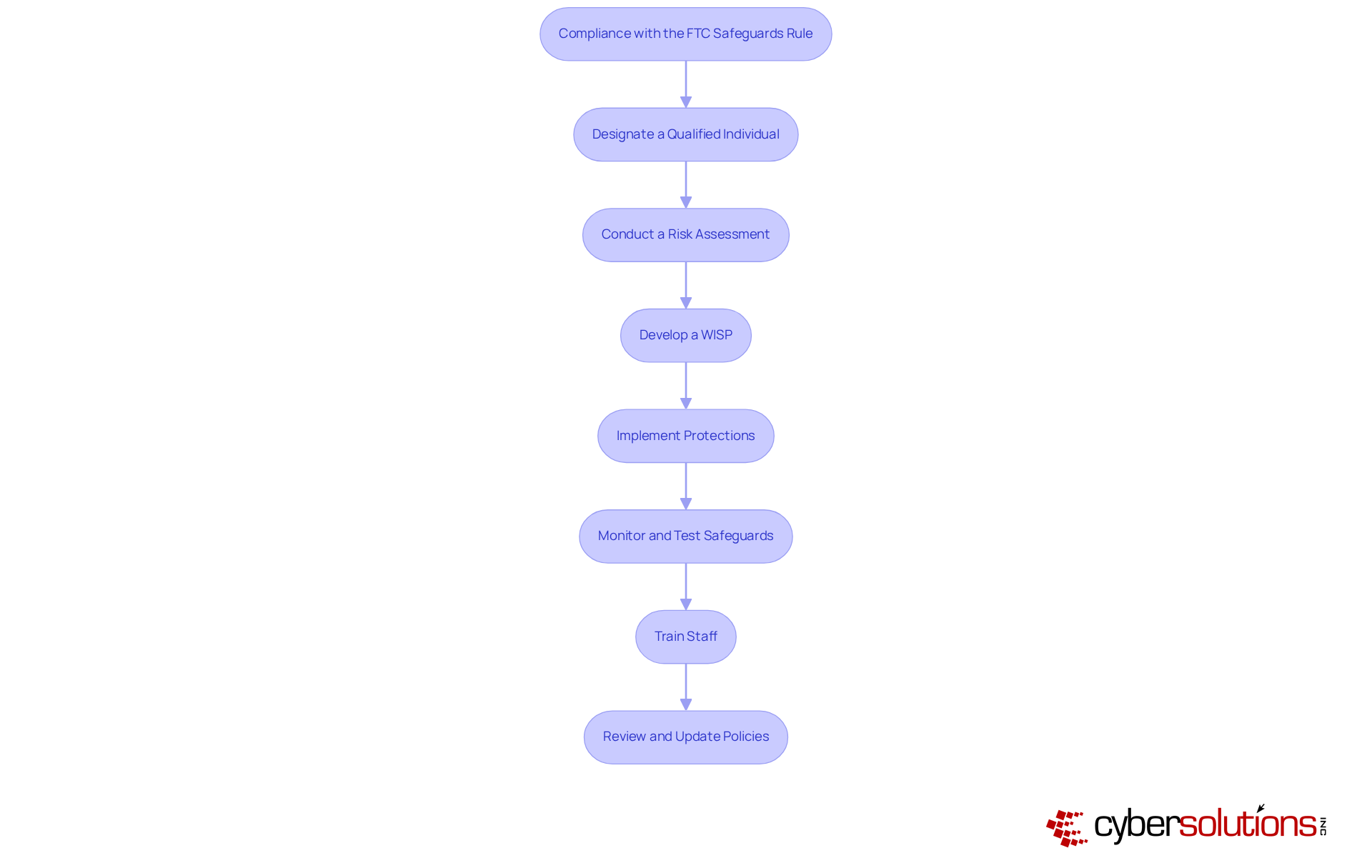
In an era where healthcare data breaches are on the rise, the stakes for cybersecurity have never been higher. To comply with the FTC Safeguards Rule, businesses must implement several essential requirements:
- Designate a Qualified Individual: Appoint a responsible person to oversee the information protection program.
- Conduct a Risk Assessment: Regularly assess risks to customer information and document the findings. Did you know that around 74% of organizations struggle to tackle vulnerabilities because of tight budgets and limited resources? This highlights the importance of thorough assessments.
- Develop a Written Information Security Plan (WISP): Create a comprehensive plan that outlines security measures and protocols tailored to the organization's size and complexity. This plan should incorporate strategies for effectively addressing regulatory gaps in accordance with the FTC Safeguards Rule.
- Implement Protections: Establish administrative, technical, and physical measures to protect customer data, as required by the Protections Rule. Utilizing application allowlisting is essential, as it proactively stops unauthorized software from running, thereby decreasing the attack surface and improving assurance of adherence.
- Monitor and Test Safeguards: Regularly assess the effectiveness of protection measures and make necessary adjustments. Continuous monitoring can help flag misconfigurations and guide remediation efforts, ensuring that your organization remains compliant with the FTC Safeguards Rule and other evolving regulations.
- Train Staff: Ensure that everyone on your team is well-versed in safety policies and procedures, as education is vital for adherence and threat management.
- Review and Update Policies: Regularly revisiting and updating your protection policies is crucial to staying ahead of emerging threats and regulatory shifts, especially with recent adjustments such as the lowering of the reporting threshold from 1,000 to 500 consumers.
Checklist for Compliance:
- [ ] Designate a qualified individual
- [ ] Conduct a risk assessment
- [ ] Develop a WISP
- [ ] Implement necessary safeguards
- [ ] Monitor and test security measures
- [ ] Train employees
- [ ] Review and update policies
Failing to comply with these requirements could not only jeopardize patient trust but also lead to severe financial penalties.
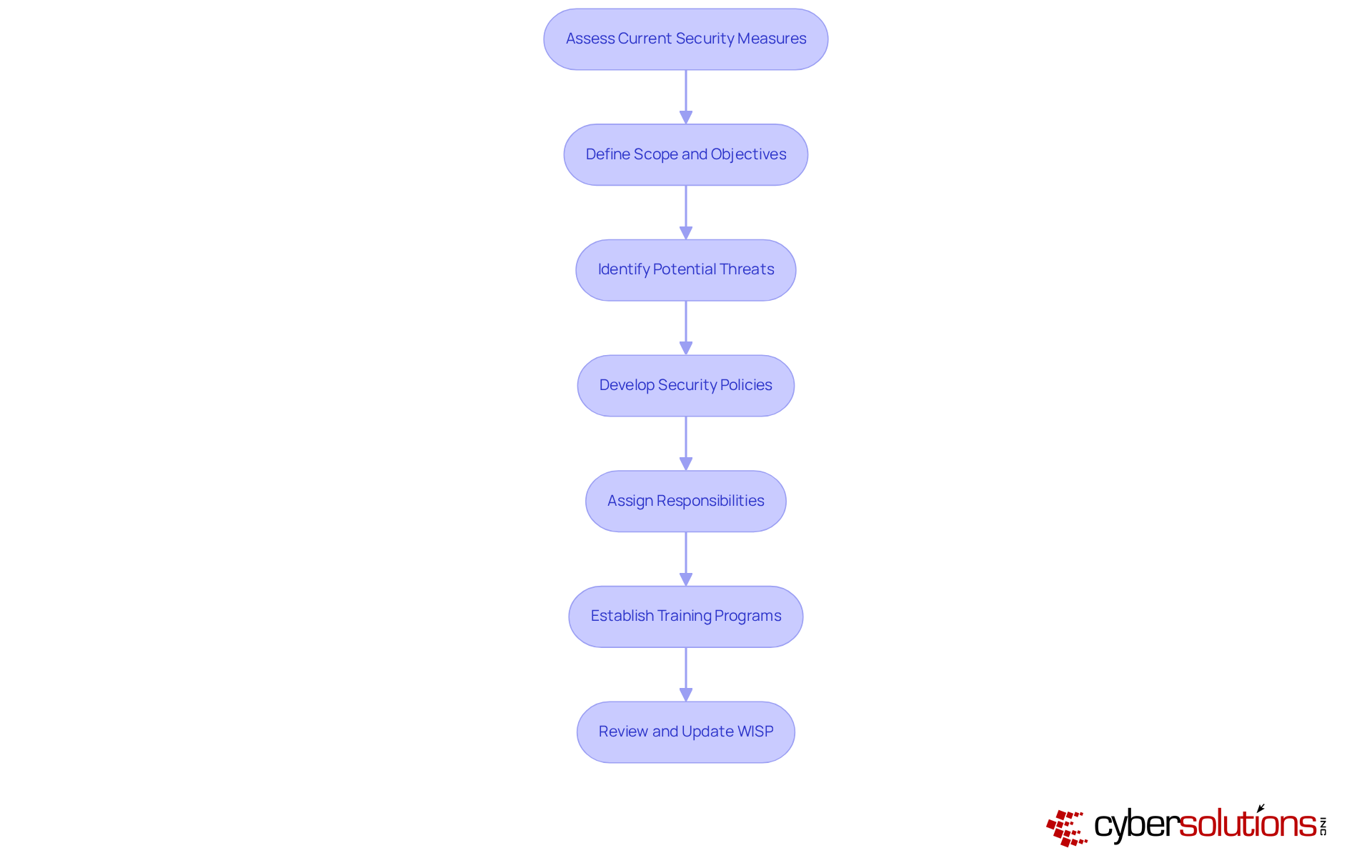
In an era where healthcare data breaches are on the rise, establishing a robust Written Information Security Plan (WISP) is not just advisable; it's essential for safeguarding sensitive patient information. Creating a WISP involves several key steps:
- Begin by thoroughly assessing your current security measures to identify vulnerabilities that could jeopardize patient data.
- Clearly define the scope and objectives of your WISP, ensuring it encompasses all relevant data types and systems.
- Identify potential threats to customer information, documenting their likelihood and potential impact on your organization.
- Develop comprehensive security policies that address identified risks, including data encryption, access controls, and incident response procedures.
- Assign clear responsibilities to team members for the implementation and ongoing maintenance of the WISP.
- Establish training programs to ensure all employees understand their critical roles in maintaining information security.
- Regularly review and update your WISP to ensure its effectiveness and compliance with evolving regulations.
Example WISP Components:
Without a comprehensive WISP, healthcare organizations risk not only financial loss but also the trust of their patients, making proactive security measures imperative.
Establish Continuous Compliance and Security Review Processes
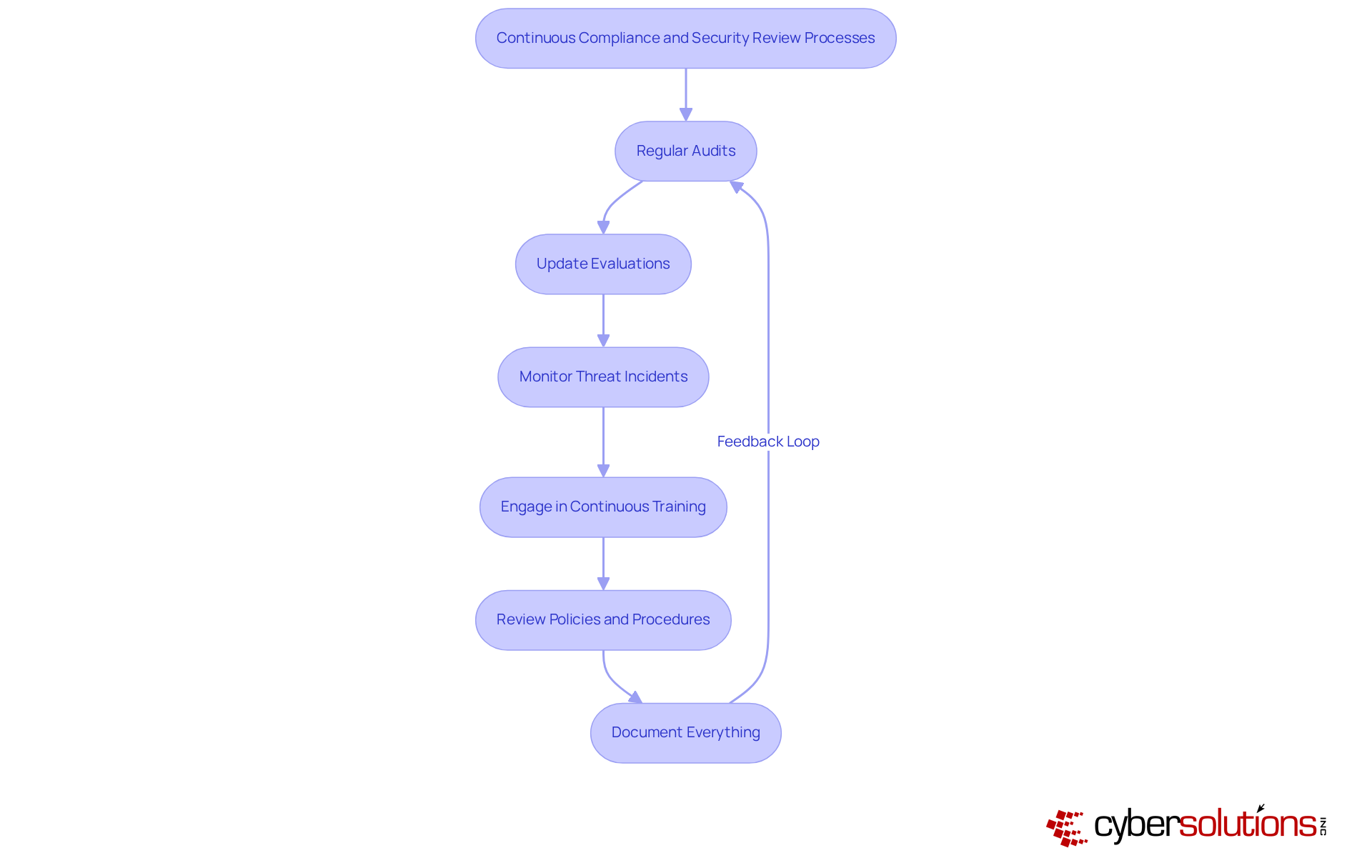
In an era where data breaches can cripple healthcare organizations, establishing robust cybersecurity measures is not just a necessity - it's a mandate. To maintain compliance with the FTC Safeguards Rule, businesses must establish robust continuous review processes that include the following key practices:
- Regular Audits: Regular audits are essential; they not only evaluate security measures but also ensure your organization sticks to the Written Information Security Program (WISP). This proactive step helps spot vulnerabilities and keeps everyone accountable.
- Update Evaluations: Make it a point to reassess threats, especially after major operational or tech changes. It’s crucial! As 82% of companies plan to invest more in technology to improve regulatory activities, updated evaluations are necessary to address new risks.
- Monitor Threat Incidents: Tracking and analyzing threat incidents can refine your response strategies. Understanding incident trends greatly enhances future protective measures and adherence initiatives.
- Engage in Continuous Training: Ongoing training for your team is key; it keeps them in the loop about new threats and best practices. This is vital, as 60% of business owners report difficulties in staying current with rules and regulations, highlighting the need for increased awareness.
- Review Policies and Procedures: Regularly updating security policies ensures alignment with evolving regulations and industry best practices. This keeps your regulatory measures relevant and effective.
- Document Everything: Keep thorough documentation of your compliance efforts, audits, and policy updates - it’s your best defense during audits.
Best Practices for Continuous Compliance:
- Schedule regular audits to ensure ongoing adherence to security standards.
- Update risk assessments at least annually to reflect changes in the operational landscape.
- Monitor and analyze incidents to improve future responses.
- Provide continuous employee training to foster a culture of security awareness.
- Regularly review and update policies to stay compliant with new regulations.
Embracing these best practices not only safeguards your organization but also fortifies trust with patients and stakeholders alike.
Conclusion
In an era where data breaches are rampant, understanding the FTC Safeguards Rule is crucial for financial institutions. This regulation mandates robust security measures. It also highlights the need for businesses to prioritize data protection to maintain customer trust and avoid severe penalties. As the landscape of cybersecurity evolves, adhering to these guidelines is no longer optional but a fundamental aspect of responsible business operations.
Throughout the article, key compliance requirements have been outlined, including:
- The appointment of a qualified individual
- Conducting regular risk assessments
- Developing a comprehensive Written Information Security Plan (WISP)
Additionally, implementing protective measures, continuous monitoring, and staff training are critical components that organizations must address to ensure compliance. By following these steps, businesses can significantly reduce their vulnerability to data breaches and uphold their reputation in the marketplace.
It's clear that taking proactive measures is vital. As organizations face increasing scrutiny regarding data security, embracing compliance with the FTC Safeguards Rule is not just a regulatory obligation but a pathway to fostering trust and confidence among customers. By prioritizing these compliance practices, businesses can not only protect their customers but also position themselves as leaders in data security, paving the way for long-term success in an increasingly data-driven world.
Frequently Asked Questions
What is the FTC Safeguards Rule?
The FTC Safeguards Rule is a regulation that mandates financial institutions to protect customer information and ensure the confidentiality and protection of sensitive data.
Why is it important for businesses to understand the FTC Safeguards Rule?
Understanding the FTC Safeguards Rule is crucial for businesses to comply with regulations, protect customer data, maintain customer trust, and avoid severe penalties.
What must businesses do to comply with the FTC Safeguards Rule?
Businesses must develop a robust information security program that clearly defines responsibilities for protecting customer data.
What is the new reporting threshold for unauthorized access under the revised Protection Rule?
The reporting threshold has been lowered from 1,000 consumers to 500, requiring institutions to report breaches involving unencrypted data of 500 or more consumers within 30 days of discovery.
What are the consequences of ignoring the FTC Safeguards Rule?
Ignoring the regulations can lead to hefty fines and a significant loss of customer trust.
What services does Cyber Solutions offer to help businesses comply with the FTC Safeguards Rule?
Cyber Solutions offers Compliance As A Service (CaaS), which includes risk assessments, policy development, and ongoing regulatory oversight to help businesses meet compliance requirements efficiently.
List of Sources
- Understand the FTC Safeguards Rule and Its Implications
- hyperproof.io (https://hyperproof.io/resource/updated-ftc-safeguards-rule-2023)
- Identify Key Compliance Requirements of the Safeguards Rule
- 115 Compliance Statistics You Need To Know in 2023 - Drata (https://drata.com/blog/compliance-statistics)
- hyperproof.io (https://hyperproof.io/resource/updated-ftc-safeguards-rule-2023)
- 7 Compliance Statistics and What They Mean For You - Thoropass (https://thoropass.com/blog/7-compliance-statistics-and-what-they-mean-for-you)
- onpay.com (https://onpay.com/ledger/ftc-safeguards-rule-explained)
- 130+ Compliance Statistics & Trends to Know for 2026 (https://secureframe.com/blog/compliance-statistics)
- Establish Continuous Compliance and Security Review Processes
- hyperproof.io (https://hyperproof.io/resource/updated-ftc-safeguards-rule-2023)
- upguard.com (https://upguard.com/blog/complying-with-the-ftc-safeguards-rule)
- 7 Compliance Statistics and What They Mean For You - Thoropass (https://thoropass.com/blog/7-compliance-statistics-and-what-they-mean-for-you)
- onpay.com (https://onpay.com/ledger/ftc-safeguards-rule-explained)
- 130+ Compliance Statistics & Trends to Know for 2026 (https://secureframe.com/blog/compliance-statistics)