Introduction
As cyber threats grow increasingly sophisticated, healthcare executives must prioritize understanding cybersecurity risks to protect their organizations effectively. Let’s explore four essential steps leaders can take to safeguard their organizations, emphasizing how proactive cybersecurity measures can significantly impact financial health and operational integrity. By transforming their approach to cybersecurity, executives can not only safeguard sensitive data but also enhance their organization's resilience against future threats.
Understand Cybersecurity Risk: Definition and Importance
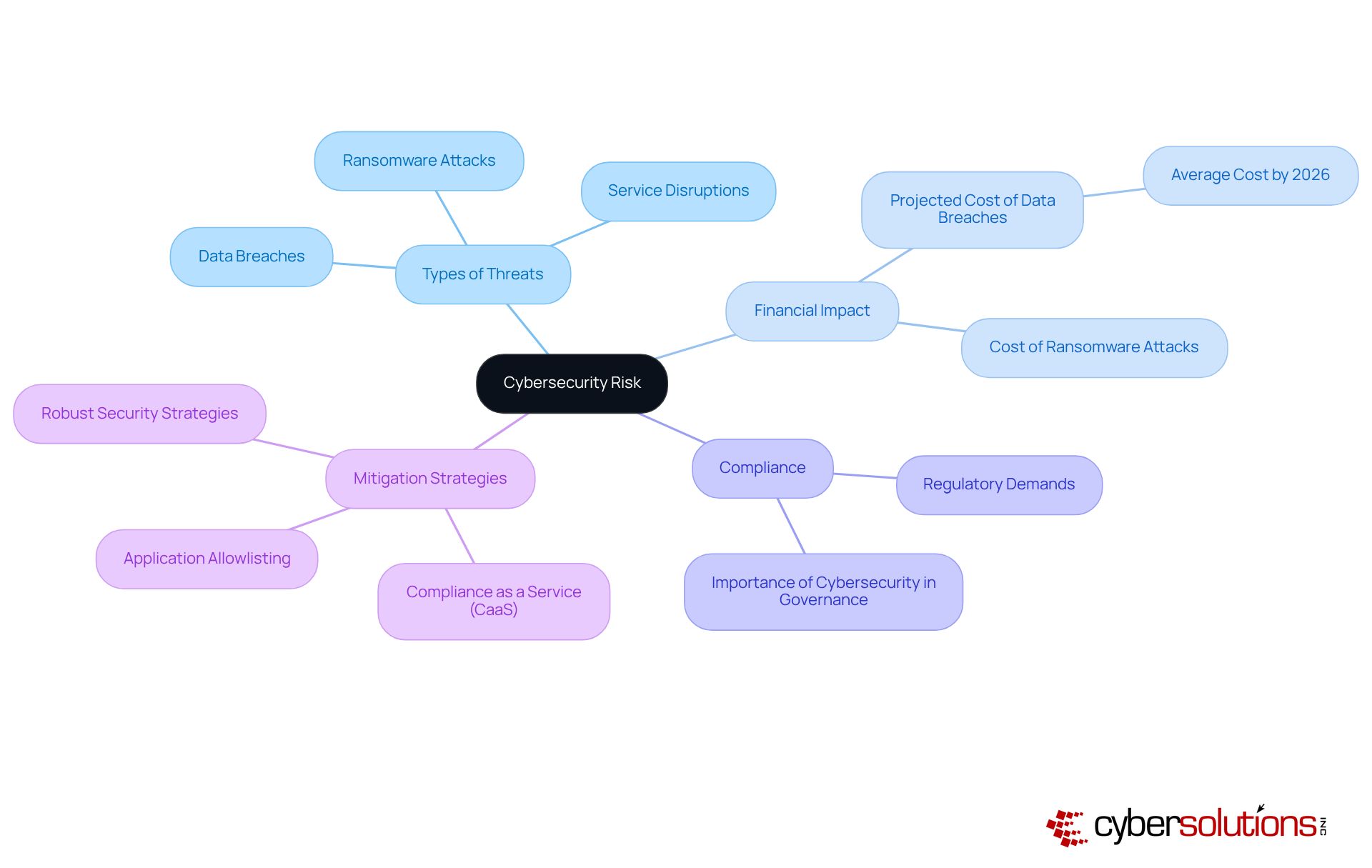
In an era where cyber threats loom large, the stakes for healthcare organizations have never been higher. Cyber threats can take many forms: data breaches, ransomware attacks, and service disruptions. For executives, understanding these digital security threats is crucial, as they directly impact the organization's financial health, operational integrity, and compliance with regulations. By 2026, the average cost of a data breach is projected to reach approximately $4.45 million, underscoring the financial repercussions of inadequate security measures. Moreover, 59% of companies reported experiencing a successful cyberattack in the past year, highlighting the urgent need for proactive threat management.
How can executives effectively allocate resources without understanding the significance of digital security threats? Recognizing these threats enables leaders to prioritize efforts that protect their organizations from potential dangers. For instance, investing in advanced security measures like Compliance as a Service (CaaS) can provide SMBs with cost-effective access to compliance expertise and streamline the compliance process. A case study from the hospitality sector revealed that:
- 90% of hotel IT leaders reported attempted cyberattacks during peak seasons
- 82% experienced successful breaches
This emphasizes the necessity for robust security strategies.
As institutions face increasing regulatory demands, a clear understanding of digital security threats can facilitate compliance and bolster operational resilience. By integrating cybersecurity threat management into their strategic planning, executives can foster a culture of security that not only protects sensitive data but also enhances long-term business continuity. Additionally, application allowlisting can prevent malware and unauthorized software from executing, further strengthening security and ensuring compliance with standards.
Conduct a Comprehensive Risk Assessment
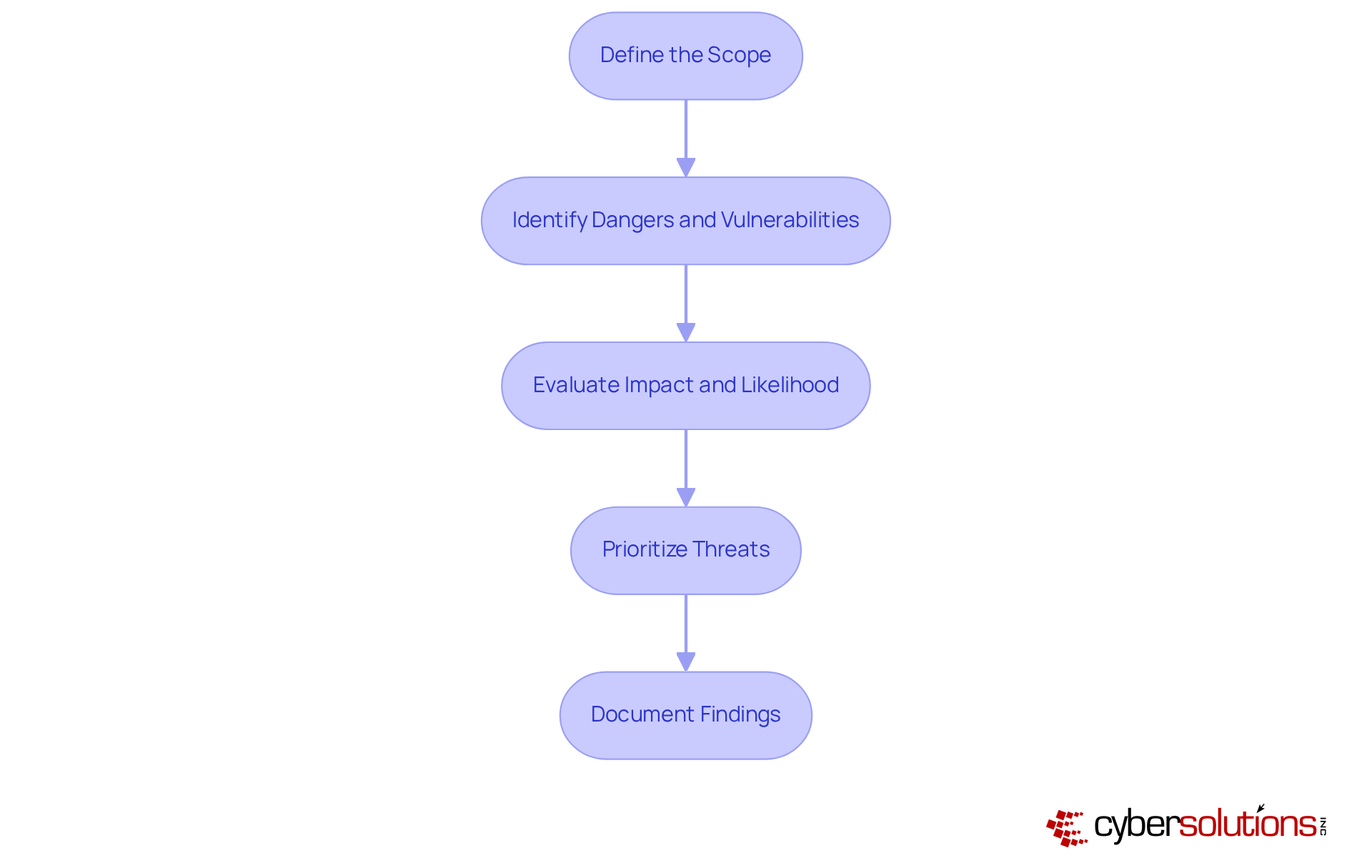
In an era where cybersecurity threats loom larger than ever, healthcare organizations must learn how to mitigate cyber security risk to safeguard their assets and data. To conduct a comprehensive risk assessment, follow these essential steps:
- Define the Scope: Identify the assets requiring protection, including hardware, software, and sensitive data. This foundational step focuses on the critical components of your organization, especially as 75% of executives expect significant changes in business continuity planning and crisis management.
- Identify Dangers and Vulnerabilities: Utilize intelligence and historical data to pinpoint potential dangers such as malware, phishing attacks, and insider issues. With internal threats accounting for a staggering 60% of data breaches, organizations face a daunting challenge in securing their systems.
- Evaluate Impact and Likelihood: For each identified threat, assess the potential impact on your organization and the likelihood of occurrence. This assessment can employ qualitative or quantitative approaches, aiding in elucidating the uncertainties that could significantly disrupt operations.
- Prioritize Threats: Rank the identified threats based on their potential impact and likelihood. This prioritization is essential for allocating resources toward the most significant vulnerabilities, particularly as 64% of entities now consider third-party management as a strategic necessity. This shift underscores the pressing need for organizations to rethink their security strategies in order to understand how to mitigate cyber security risk as threats continue to evolve.
- Document Findings: Compile a detailed report of the assessment findings, including identified risks, their potential impacts, and recommended mitigation strategies. Think of this documentation as your roadmap for future digital security planning, ensuring that your company stays proactive in tackling evolving threats. Preparing thorough documentation, including security policies and procedures, is essential for demonstrating compliance during audits. Furthermore, conducting a mock audit can help identify gaps and improve your entity's ability to respond effectively to incidents. For instance, a recent case study in the healthcare sector demonstrated how a structured response plan enabled rapid recovery from a ransomware attack, reinforcing the importance of having an incident response team ready to act swiftly.
Implement Essential Cybersecurity Measures
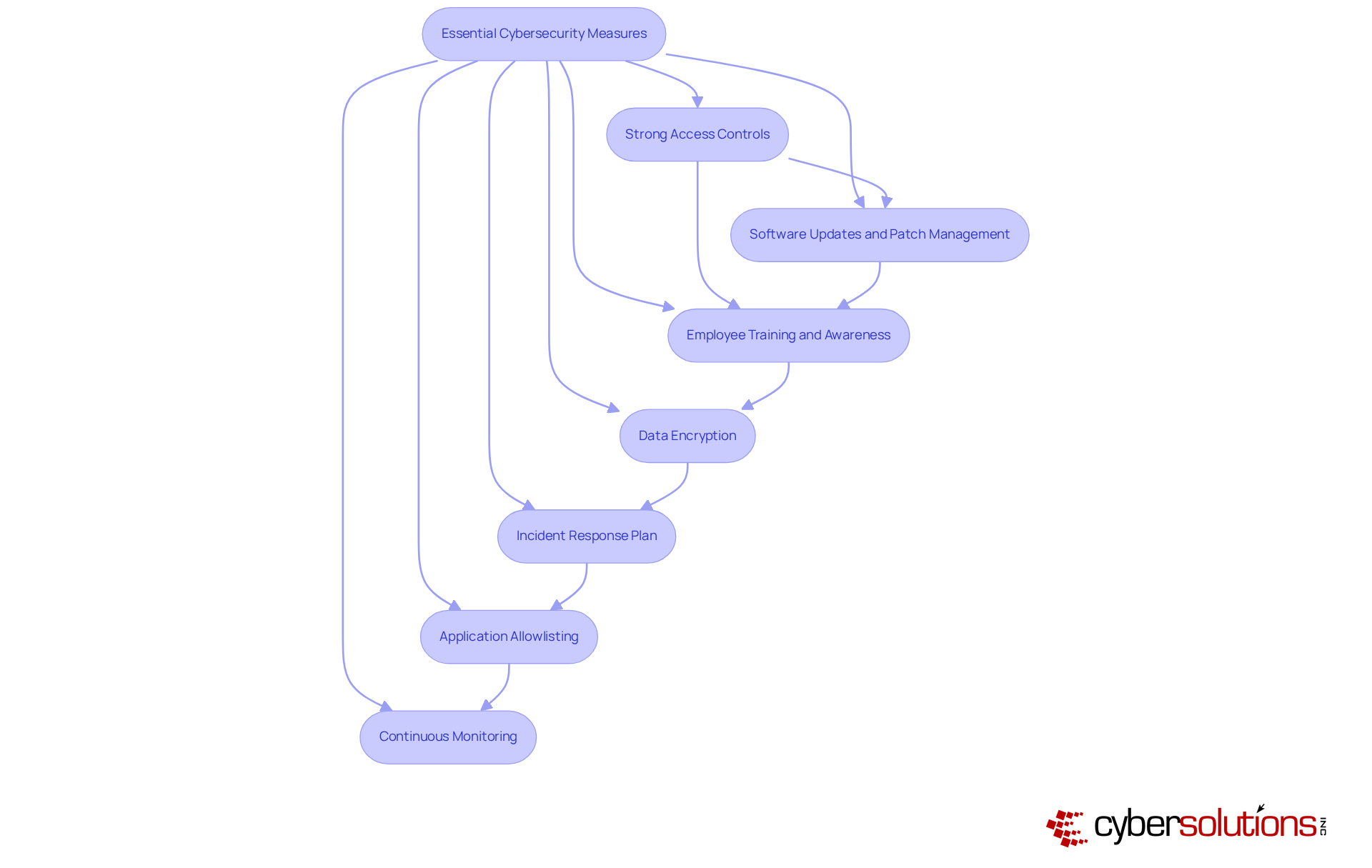
In an era where cyber threats are escalating, the healthcare sector stands at a critical juncture, facing challenges that demand immediate attention and action. To effectively mitigate cybersecurity risks, organizations should implement the following essential measures:
- Establish Strong Access Controls: Limit access to sensitive information based on user roles. Implementing multi-factor authentication (MFA) is crucial, as it can reduce the likelihood of being hacked by 99%. This layered security approach ensures that even if one credential is compromised, unauthorized access is still prevented.
- Regular Software Updates and Patch Management: Keeping your software and systems up to date is crucial for safeguarding against known vulnerabilities. In 2026, the average time to detect a data breach is projected to be 204 days, with 73 days required to contain it. Proactive patch management can significantly reduce these timelines and the associated costs of breaches.
- Employee Training and Awareness: It's essential to hold regular training sessions that empower employees with the knowledge of information security best practices. With 95% of data breaches involving some human element or error, training on recognizing phishing attempts and safe browsing habits is vital to bolster defenses against increasingly sophisticated attacks.
- Data Encryption: Encrypt sensitive data both in transit and at rest to protect it from unauthorized access. This measure is essential as entities face a rising number of cyber threats, including ransomware, which targets backup locations in 96% of attacks.
- Incident Response Plan: Create and uphold an incident response plan that details procedures for addressing security incidents. This plan should include roles and responsibilities, communication strategies, and recovery processes. Effective incident response can determine whether a cyber incident leads to a minor disruption or a significant business crisis.
- Application Allowlisting: Implement application allowlisting to ensure that only approved applications can run on your systems. This proactive measure significantly reduces the risk of malware, ransomware, and unauthorized software execution, helping organizations meet stringent compliance requirements for federal contracts and other regulatory standards such as HIPAA, PCI-DSS, and GDPR. By restricting the applications that can run, you reduce vulnerabilities and improve your overall security stance.
- Continuous Monitoring: Establish 24/7 network surveillance and alert services to proactively identify and respond to potential risks. This ongoing vigilance is crucial for maintaining compliance with cybersecurity standards and protecting sensitive federal data.
Neglecting these cybersecurity measures could lead to devastating consequences, which emphasizes the need for understanding how to mitigate cyber security risk, affecting the very core of patient trust and safety.
Establish Continuous Monitoring and Improvement Processes
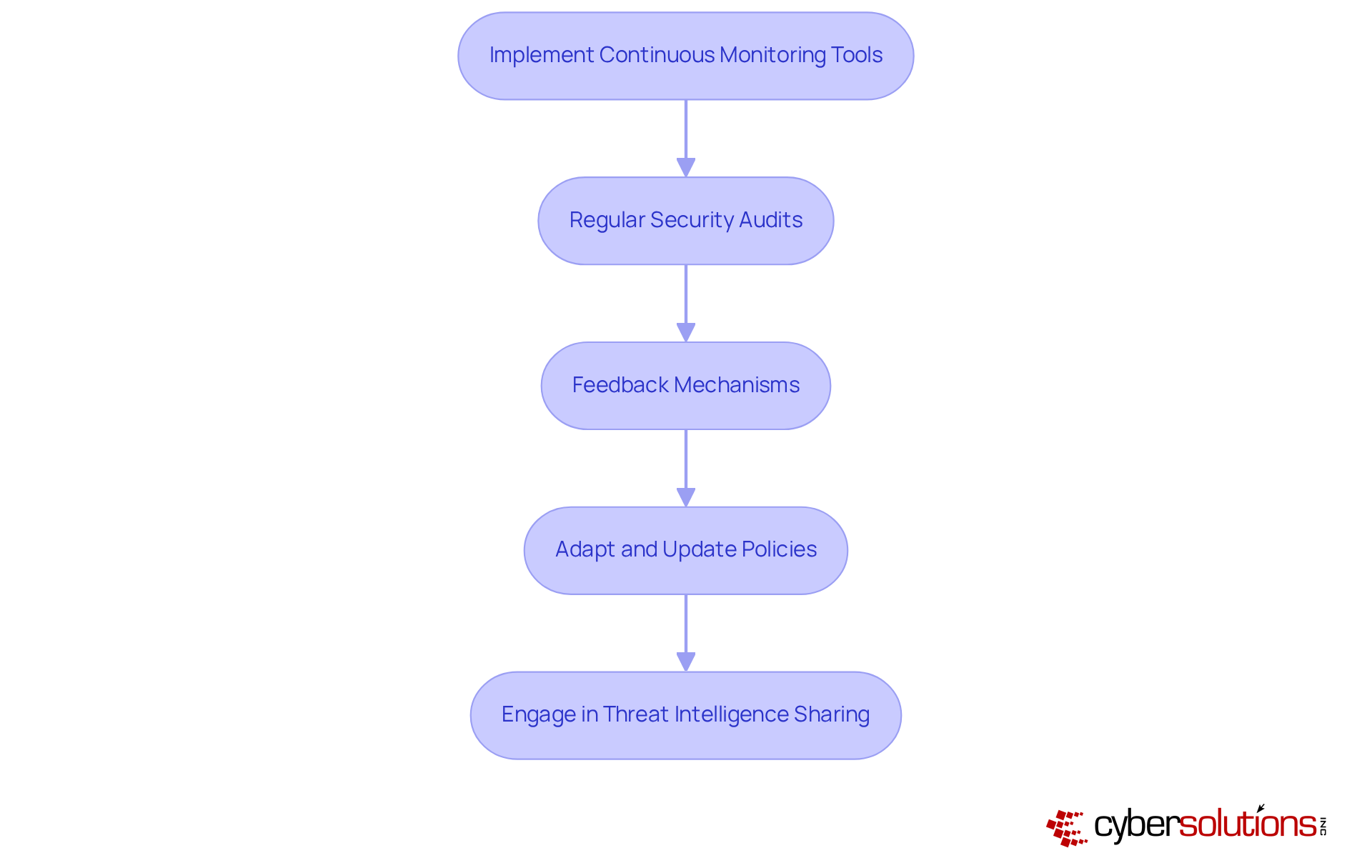
In an era where cyber threats are increasingly sophisticated, healthcare organizations must prioritize robust cybersecurity measures. To ensure ongoing protection against cyber threats, organizations must establish robust continuous monitoring and improvement processes:
- Implement Continuous Monitoring Tools: Leverage automated tools such as SIEM solutions and vulnerability scanning to continuously assess the security posture of your IT environment. Cyber Solutions offers round-the-clock monitoring of your network. This helps detect anomalies and vulnerabilities in real-time, allowing for proactive threat responses. Organizations using Continuous Threat Exposure Management (CTEM) are three times less likely to experience breaches. Are you aware of how vulnerable your organization might be without CTEM?
- Regular Security Audits: Conduct periodic security audits to assess the effectiveness of your protective measures. This process should encompass a thorough review of access controls, incident response plans, and employee training programs, ensuring alignment with regulatory requirements and best practices. Cyber Solutions' Compliance as a Service (CaaS) solutions include audit preparation and support, providing the documentation and expert guidance needed for successful audits. According to Secureframe, "Continuous monitoring is an essential component of an effective data protection strategy," underscoring the importance of regular audits in maintaining security.
- Feedback Mechanisms: Establish channels for employees to report security concerns or incidents. This feedback helps pinpoint vulnerabilities and areas that need improvement, fostering a culture of security awareness within the entity.
- Adapt and Update Policies: Regularly review and refresh cybersecurity policies and procedures to reflect changes in the risk landscape and organizational structure. Incorporating a Zero-Trust security framework is critical in 2026, as it requires verification of every user and device before accessing company data, thereby enhancing security.
- Engage in Threat Intelligence Sharing: Actively participate in information-sharing initiatives with other organizations and industry groups. This collaboration enhances awareness of emerging threats and best practices, contributing to a more comprehensive security strategy.
Implementing these strategies can help you avoid the devastating consequences of a cyber incident. Organizations that adopt continuous monitoring and regular audits are better positioned to understand how to mitigate cyber security risk, as studies indicate that those employing such practices experience significantly fewer breaches and reduced costs associated with incidents.
Conclusion
In an era where cyber threats are increasingly sophisticated, understanding and addressing cybersecurity risks is a strategic imperative for healthcare executives. By recognizing the multifaceted nature of these threats and their potential impact on an organization’s financial health and operational integrity, leaders can prioritize effective measures to safeguard their assets and maintain compliance with regulatory standards.
The article outlines four essential steps to mitigate cybersecurity risks:
- Understanding the nature of these threats
- Conducting comprehensive risk assessments
- Implementing robust cybersecurity measures
- Establishing continuous monitoring processes
Each step is critical in building a resilient security framework that not only protects sensitive data but also enhances overall business continuity. From prioritizing access controls and employee training to leveraging continuous monitoring tools, these strategies empower organizations to proactively manage risks and respond effectively to incidents.
As cyber threats grow more sophisticated, the stakes for healthcare organizations have never been higher. Executives are called to foster a culture of security that integrates these practices into the organizational strategy. By prioritizing cybersecurity, executives not only shield their organizations from breaches but also fortify the trust that is essential for thriving in the digital age. Embracing these cybersecurity measures is essential for sustaining trust and ensuring the long-term success of healthcare organizations in an increasingly digital landscape.
Frequently Asked Questions
What are the main types of cyber threats facing healthcare organizations?
The main types of cyber threats include data breaches, ransomware attacks, and service disruptions.
Why is understanding cybersecurity risk important for executives in healthcare?
Understanding cybersecurity risk is crucial for executives because these threats directly impact the organization's financial health, operational integrity, and compliance with regulations.
What is the projected financial impact of a data breach by 2026?
By 2026, the average cost of a data breach is projected to reach approximately $4.45 million.
How prevalent are cyberattacks among companies?
59% of companies reported experiencing a successful cyberattack in the past year.
What can executives do to prioritize cybersecurity in their organizations?
Executives can prioritize cybersecurity by recognizing digital security threats, which enables them to allocate resources effectively and invest in advanced security measures like Compliance as a Service (CaaS).
What did the case study from the hospitality sector reveal about cyber threats?
The case study revealed that 90% of hotel IT leaders reported attempted cyberattacks during peak seasons, and 82% experienced successful breaches.
How can understanding digital security threats assist with regulatory compliance?
A clear understanding of digital security threats can facilitate compliance with increasing regulatory demands and bolster operational resilience.
What strategies can executives implement to enhance cybersecurity?
Executives can integrate cybersecurity threat management into strategic planning and foster a culture of security, which includes measures like application allowlisting to prevent malware and unauthorized software from executing.
List of Sources
- Understand Cybersecurity Risk: Definition and Importance
- The 6 Biggest Cyber Threats for Financial Services in 2026 | UpGuard (https://upguard.com/blog/biggest-cyber-threats-for-financial-services)
- diligent.com (https://diligent.com/resources/blog/top-20-quotes-cyber-risk-virtual-summit)
- Top Cybersecurity Threats in 2026: What's Changed and How to Stay Protected (https://primesecured.com/top-cybersecurity-threats-2026-and-prevention)
- 205 Cybersecurity Stats and Facts for 2026 (https://vikingcloud.com/blog/cybersecurity-statistics)
- Conduct a Comprehensive Risk Assessment
- Risk Management Statistics 2026 — 60 Key Figures (https://procurementtactics.com/risk-management-statistics)
- 50+ Risk Management Statistics to Know in 2026 (https://secureframe.com/blog/risk-management-statistics)
- January 2026 OCR Cybersecurity Newsletter (https://hhs.gov/hipaa/for-professionals/security/guidance/cybersecurity-newsletter-january-2026)
- diligent.com (https://diligent.com/resources/blog/top-20-quotes-cyber-risk-virtual-summit)
- Implement Essential Cybersecurity Measures
- Multifactor Authentication | Cybersecurity and Infrastructure Security Agency CISA (https://cisa.gov/topics/cybersecurity-best-practices/multifactor-authentication)
- Top Cybersecurity Threats in 2026: What's Changed and How to Stay Protected (https://primesecured.com/top-cybersecurity-threats-2026-and-prevention)
- v2systems.com (https://v2systems.com/blog/cybersecurity-in-2026-the-trends-smbs-cant-ignore)
- 205 Cybersecurity Stats and Facts for 2026 (https://vikingcloud.com/blog/cybersecurity-statistics)
- Establish Continuous Monitoring and Improvement Processes
- Continuous Monitoring: 5 Strategic Components (https://bitsight.com/blog/5-things-to-consider-building-continuous-security-monitoring-strategy)
- uscsinstitute.org (https://uscsinstitute.org/cybersecurity-insights/blog/must-have-cybersecurity-tools-for-2026)
- Top Cybersecurity Trends for 2026: AI, Quantum Readiness, Zero-Trust & Resilience (https://splashtop.com/blog/top-cybersecurity-trends-and-predictions-for-2026)
- 7 Benefits of Continuous Monitoring & How Automation Can Maximize Impact (https://secureframe.com/blog/continuous-monitoring-cybersecurity)
- Cybersecurity Trends to Consider in 2026 (https://blog.enterprisemanagement.com/cybersecurity-trends-to-consider-in-2026)


