


In the realm of healthcare, the stakes of cybersecurity have never been higher, as breaches can compromise patient safety and organizational integrity. Organizations are grappling with the dual challenges of operational efficiency and cybersecurity. Managed IT services offer a strategic solution by outsourcing critical IT functions to specialized providers, enabling businesses to enhance their productivity while safeguarding sensitive data.
But as organizations lean more on these services, how can they pick the right solutions that fit their needs? Exploring this question reveals not only the transformative potential of managed IT services but also the imperative for ongoing evaluation and adaptation in a rapidly evolving environment. Without continuous assessment, organizations risk falling behind in a landscape where threats evolve rapidly.
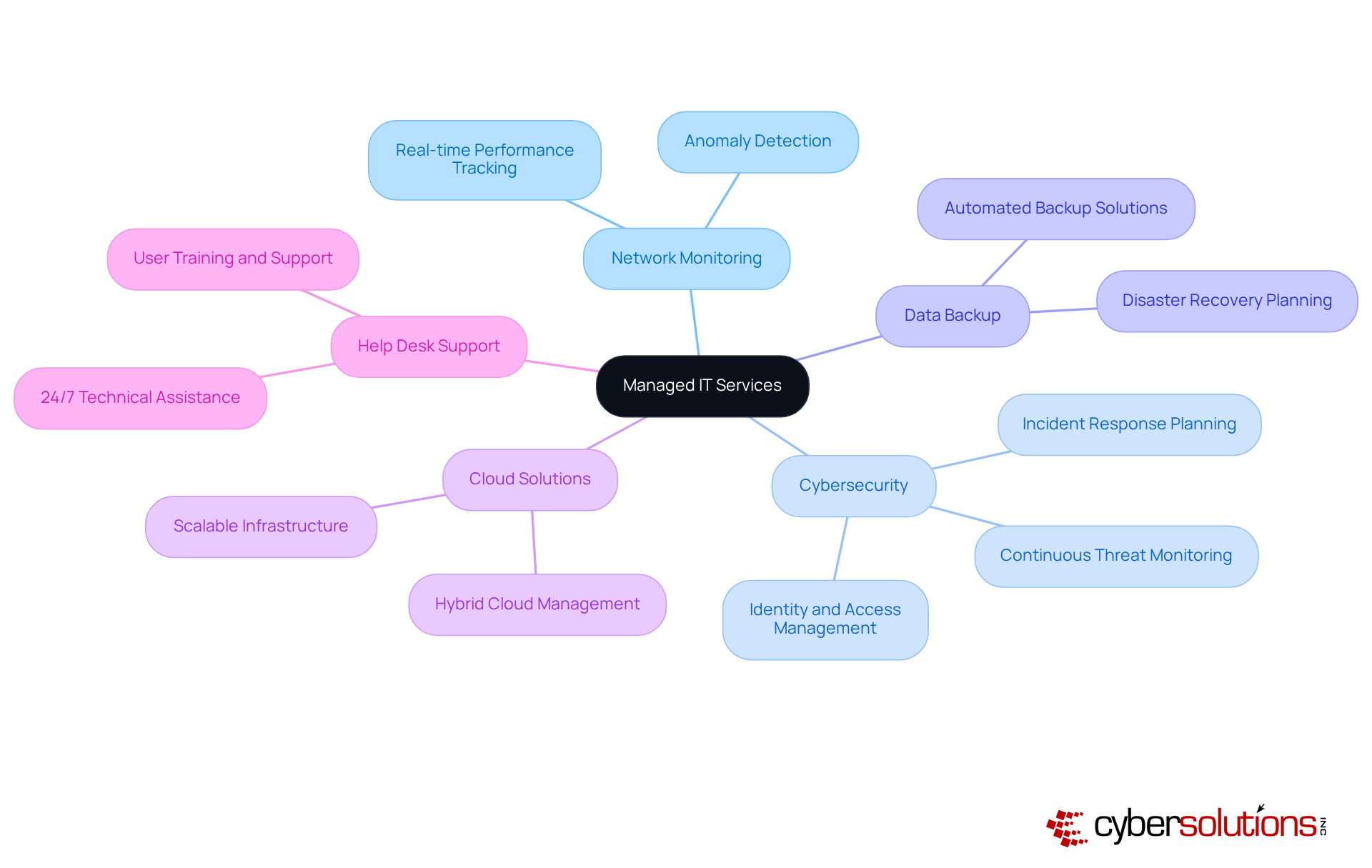
In an era where cybersecurity threats loom larger than ever, healthcare organizations must prioritize robust IT solutions to safeguard their operations. Managed IT solutions involve the extensive outsourcing of IT functions to an external provider, known as a Managed Service Provider (MSP). These offerings typically encompass critical services such as network monitoring, cybersecurity, data backup, cloud solutions, and help desk support, which are essential for maintaining operational integrity. By 2026, a significant number of organizations are expected to adopt managed IT solutions, reflecting a growing trend towards outsourcing IT tasks to enhance operational efficiency and security.
The range of managed IT offerings varies widely, from basic IT support to advanced cybersecurity measures and compliance management. By utilizing these services, organizations can ensure their IT framework is not only protected but also optimized for performance. This proactive approach not only allows businesses to focus on their core operations but also ensures they are backed by experts equipped to handle the complexities of modern IT challenges. The incorporation of AI and ongoing oversight within managed solutions further enhances their effectiveness, enabling organizations to respond swiftly to emerging threats and operational challenges.
Embracing managed IT solutions is not just a strategic move; it's a necessity for organizations aiming to thrive in a complex digital landscape.
In an era where cyber threats loom large, the healthcare sector faces unique challenges that demand immediate attention. To effectively implement managed IT services mobile, entities must first conduct a thorough assessment of their current IT infrastructure and operational needs. This means pinpointing technology gaps, grasping compliance needs, and assessing current resources.
Bringing in stakeholders from different departments helps paint a complete picture of what the organization truly needs. Once these needs are identified, businesses should align their IT strategies with their overall business objectives. This alignment guarantees that the managed IT services mobile selected will support the entity's goals, enhance productivity, and mitigate risks.
For instance, a healthcare entity may prioritize cybersecurity and compliance due to regulatory requirements, while a manufacturing firm might focus on optimizing network performance and data management.
Cyber Solutions provides customized IT services that meet the distinct security and compliance requirements of different sectors, such as healthcare and finance, ensuring that entities are prepared to tackle evolving cyber threats with tools like endpoint protection, threat detection, data encryption, and secure access controls.
As organizations navigate 2026, the integration of AI-aware security measures and zero trust architectures will be crucial in enhancing this alignment, ensuring resilience and competitive advantage. According to Gartner, 70% of organizational transformation efforts fail because KPIs don’t align with strategic goals, highlighting the importance of clear alignment.
A case study of a financial services firm illustrates this: by aligning their IT strategy with organizational objectives, they improved operational efficiency by 30% and significantly reduced compliance-related risks. Without this alignment, organizations may find themselves lagging in a fast-paced market.

In an era where cyber threats loom large, the healthcare sector must prioritize cybersecurity to safeguard its operations and patient trust. To enhance operational efficiency, organizations should implement the following essential managed IT services:
By strategically deploying managed IT services, organizations can create a robust IT framework that aligns with their operational objectives. Without these critical IT services, organizations risk not only diminished productivity but also their financial health.

In an era where cybersecurity threats loom large, healthcare organizations must prioritize robust IT solutions to safeguard their operations and patient data. To ensure that supervised IT solutions adequately address organizational requirements, companies need a comprehensive framework for monitoring and assessment. This framework should include:
By embracing a proactive approach to IT management, organizations can not only mitigate risks but also position themselves for sustainable growth in an increasingly complex environment.

In today's digital landscape, the stakes are higher than ever for organizations navigating cybersecurity challenges. Embracing managed IT services is essential for enhancing operational efficiency and safeguarding digital assets. Outsourcing critical IT functions to a Managed Service Provider (MSP) allows businesses to concentrate on their core objectives. It also ensures that their IT infrastructure remains robust and responsive to evolving challenges. This shift streamlines operations and strengthens security measures, helping organizations thrive in a complex digital landscape.
Have you considered the key insights highlighted throughout this article? Assessing organizational needs, aligning IT strategies with business goals, and implementing essential managed IT services are crucial steps. Services such as:
are vital components that contribute to improved productivity and risk mitigation. Moreover, the significance of continuous monitoring and evaluation through established KPIs ensures that these services remain effective and aligned with organizational objectives.
Is integrating managed IT services just a tactical decision? It’s actually a strategic imperative that positions organizations for long-term success. As the digital environment continues to evolve, investing in these services will not only enhance operational efficiency but also empower businesses to adapt swiftly to market changes and emerging threats. The choice to embrace managed IT services today could very well determine your organization's resilience tomorrow.
What are managed IT services?
Managed IT services involve outsourcing IT functions to an external provider, known as a Managed Service Provider (MSP), to enhance operational efficiency and security.
What types of services are included in managed IT solutions?
Managed IT solutions typically include network monitoring, cybersecurity, data backup, cloud solutions, and help desk support.
Why are managed IT services important for healthcare organizations?
They are important because they help safeguard operations against cybersecurity threats and ensure the IT framework is protected and optimized for performance.
What is the expected trend regarding the adoption of managed IT solutions by 2026?
A significant number of organizations are expected to adopt managed IT solutions by 2026, reflecting a growing trend towards outsourcing IT tasks.
How do managed IT services benefit organizations?
They allow organizations to focus on their core operations while being backed by experts who can handle the complexities of modern IT challenges.
How does the incorporation of AI enhance managed IT solutions?
The incorporation of AI within managed solutions enhances their effectiveness by enabling organizations to respond swiftly to emerging threats and operational challenges.
Is embracing managed IT solutions a strategic choice or a necessity?
Embracing managed IT solutions is considered a necessity for organizations aiming to thrive in a complex digital landscape.
Managed IT Service Provider | Cyber Security | Incident Response | Compliance As A Service | Hosted Phone Service | Managed Security Service Provider | AI As A Service