


In an era where healthcare organizations are increasingly targeted by cybercriminals, the significance of robust IT services is paramount. With a staggering number of data breaches reported annually, healthcare CFOs grapple with the dual challenge of ensuring compliance and safeguarding sensitive patient information. This article explores ten essential IT services that not only bolster security but also empower CFOs to adeptly navigate the complexities of the digital landscape.
How can these services revolutionize operational efficiency and mitigate risks in a sector where every second is critical?
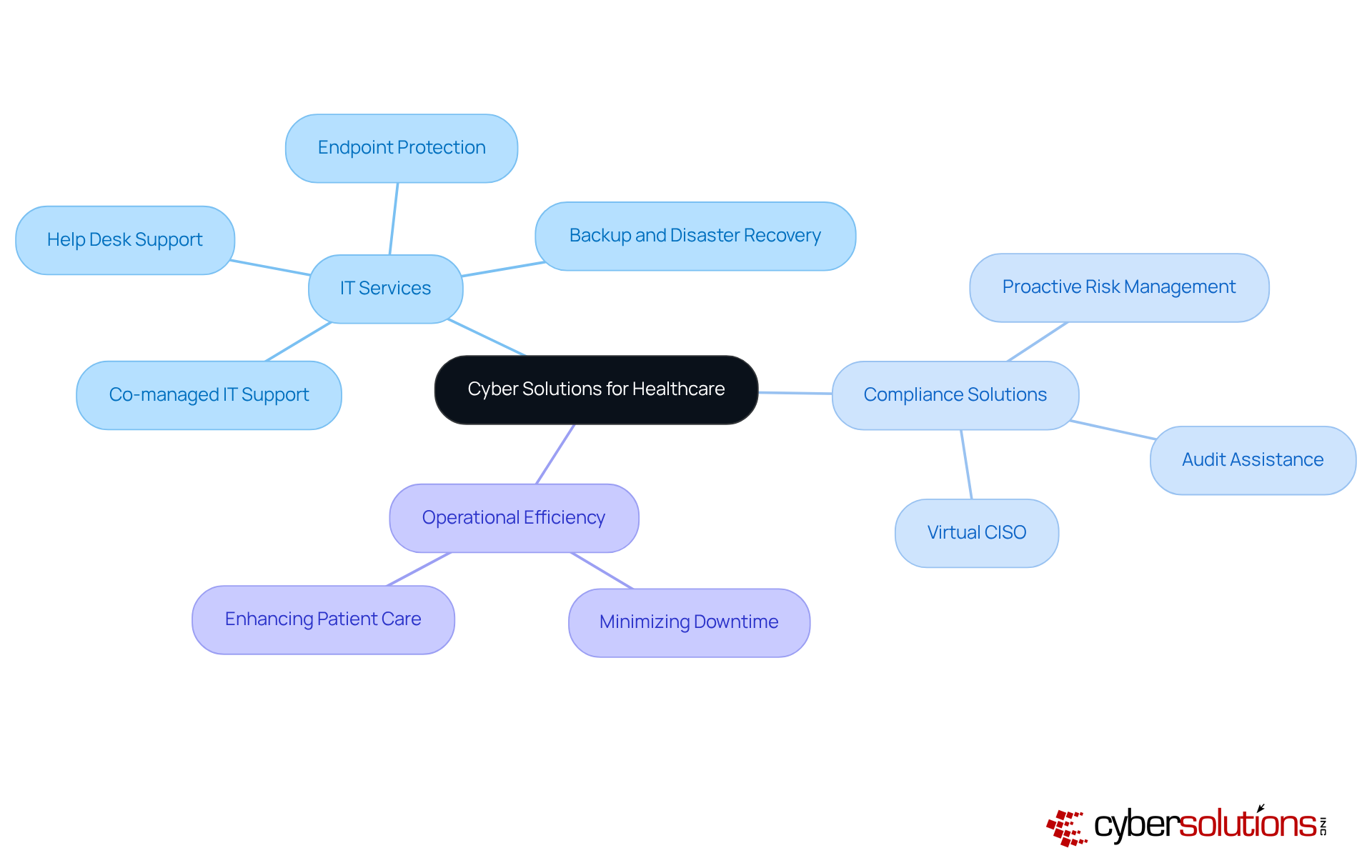
In today's digital landscape, cybersecurity is not just an option but a necessity for healthcare organizations. With the alarming rate of data breaches—3,158 reported in the U.S. in 2024—the stakes have never been higher. Cyber Solutions Inc. offers a comprehensive package of IT services tailored specifically for healthcare, ensuring both security and compliance. Our team guarantees immediate assistance for IT issues, minimizing downtime and enhancing operational efficiency. In a field where prompt access to information can significantly influence patient care, this level of support is crucial.
Beyond help desk assistance, Cyber Solutions provides:
These services address the unique challenges faced by CFOs in the medical sector, such as stringent regulatory requirements and the need for data protection. The need for reliable IT support is critical, and our solutions are designed to meet these demands head-on.
By utilizing managed IT services, healthcare entities can focus on their core operations without the burden of IT complexities. CFOs can ensure their organizations remain compliant while simultaneously improving their overall security posture. Our offerings encompass:
All aimed at protecting sensitive health information (PHI). We prepare your organization for potential incidents, ensuring you remain secure at all times. The consequences of non-compliance can be severe, making our services indispensable for operational success and improved health outcomes.
In the rapidly evolving landscape of healthcare, cybersecurity solutions are not merely an option; they are essential for protecting against ever-present threats. These systems deliver real-time monitoring and alerts, enabling medical organizations to swiftly identify and address potential breaches. Take, for example, the Change Healthcare incident, which compromised approximately 190 million records—this underscores the catastrophic consequences of inadequate endpoint security.
By implementing endpoint protection, medical organizations can significantly mitigate the risk of data breaches, which jeopardize individual privacy and lead to considerable financial and reputational damage. In fact, the average cost of a data breach soared to $7.42 million in 2025, highlighting the urgency. How can CFOs ignore such staggering figures? It is imperative that they prioritize cybersecurity measures as a cornerstone of their cybersecurity strategy to protect sensitive information and maintain trust.

In today's healthcare landscape, proactive systems are essential for medical establishments to identify potential security breaches before they escalate into crises. By leveraging advanced technologies, these systems continuously monitor network activity, flagging unusual behavior for rapid response.
Statistics reveal that organizations implementing effective mechanisms can significantly mitigate the impact of breaches, with many reporting a reduction by as much as 50%. This capability not only enhances security but also improves operational resilience, making a critical investment for CFOs in 2025.
As the medical sector faces increasing cyber threats, the adoption of robust security measures is imperative for ensuring patient safety and data integrity.
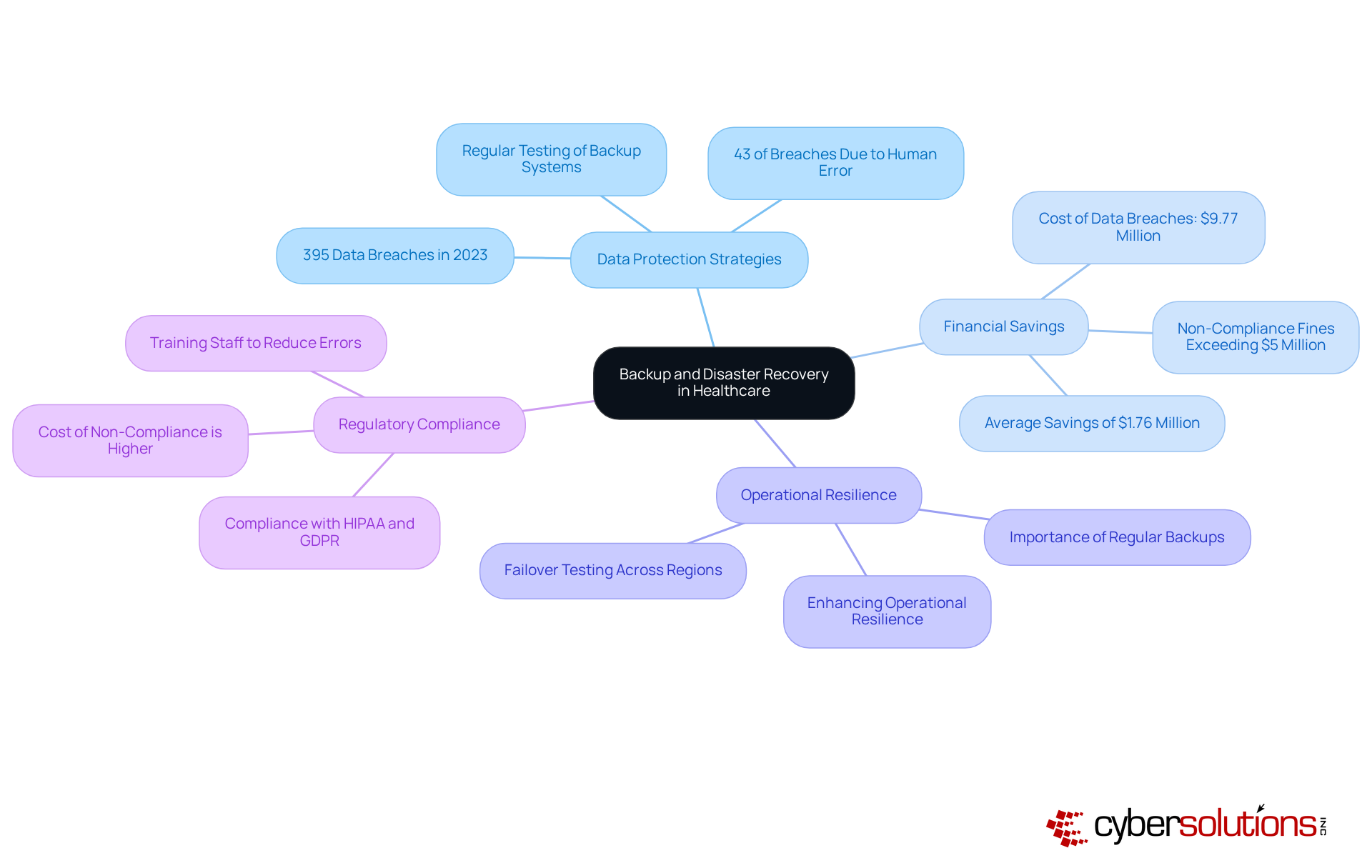
In today's healthcare landscape, backup solutions are not just beneficial—they are essential for maintaining business continuity. With the medical sector facing 395 documented data breaches in 2023 alone, impacting over 59 million individuals, the urgency for robust disaster recovery cannot be overstated. CFOs must recognize that adopting a thorough and effective strategy, which is vital for preserving their institution's reputation and financial stability. For instance, entities that implement effective security measures and automation report average savings of approximately $1.76 million compared to those that do not.
Moreover, a solid backup plan guarantees that data can be restored promptly and accurately, thereby minimizing downtime. As medical organizations navigate an increasingly complex regulatory environment, disaster recovery transcends best practice—it is critical for compliance and protecting patient trust. The stakes are high, and the time to act is now.
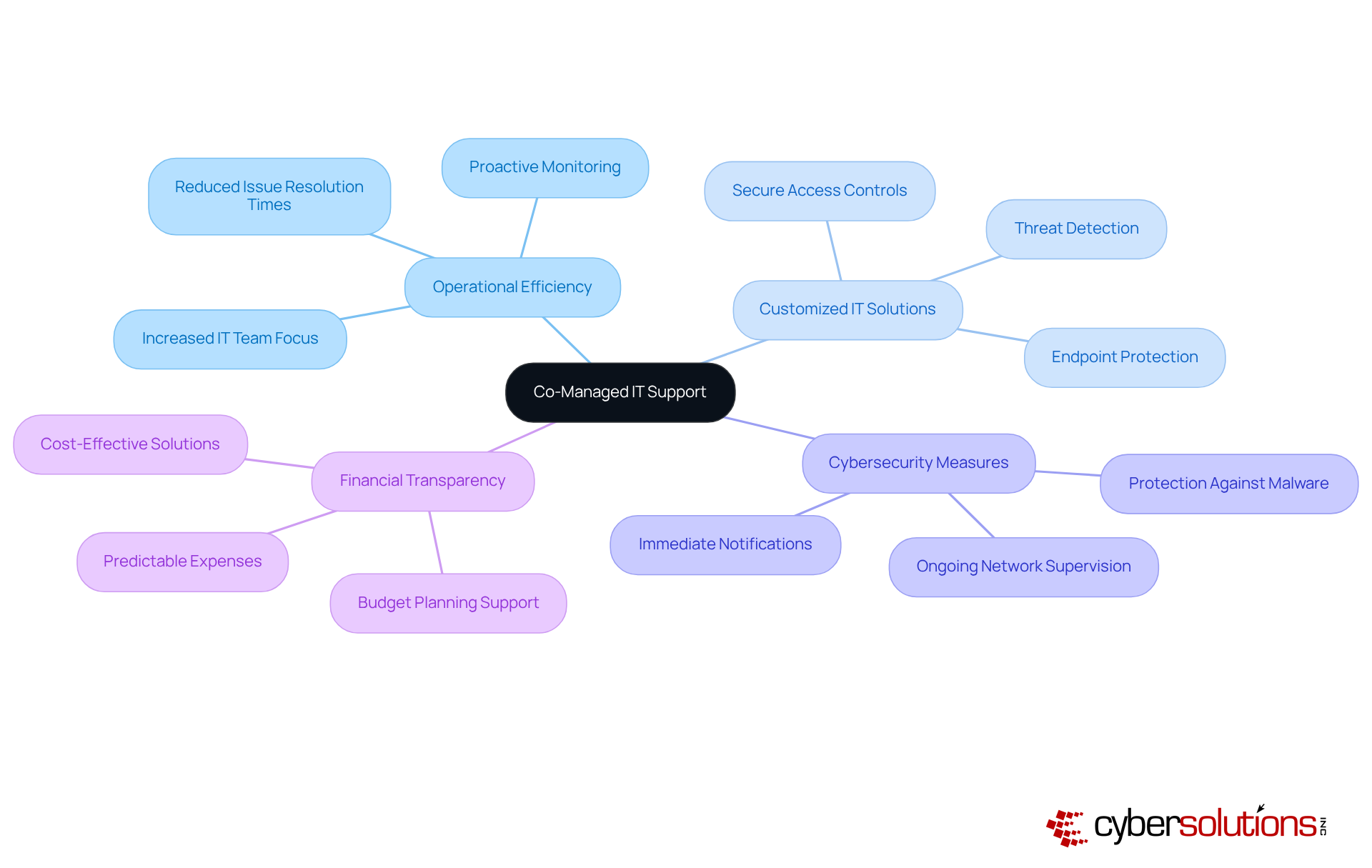
In today's rapidly evolving digital landscape, IT services that feature collaboration are essential for empowering medical organizations by seamlessly integrating external expertise with internal IT teams. This collaborative model not only enhances resource allocation but also significantly boosts efficiency. By leveraging the specialized expertise of managed service providers, financial officers in the medical sector can ensure their internal teams are well-prepared to navigate complex IT environments.
—such as cybersecurity measures, data encryption, and secure access controls—are vital in addressing the distinct security and compliance requirements of the healthcare sector. Organizations utilizing IT services in a co-managed approach have reported a remarkable reduction in issue resolution times, with proactive monitoring leading to faster responses and minimized downtime. Furthermore, businesses employing IT services for external support experience increased IT team efficiency, enabling internal staff to focus on strategic initiatives rather than routine troubleshooting.
Ongoing network supervision and immediate notifications play a crucial role in identifying anomalies and potential vulnerabilities, effectively safeguarding organizations from ransomware, phishing, and other malware assaults. This partnership fosters a culture of security, enhancing the organization’s ability to deliver quality patient care while maintaining compliance with industry regulations. Additionally, the foreseeable costs related to IT services offer predictability, allowing CFOs to plan their budgets efficiently.
As noted by CDS Office Technologies, "This approach allows you to offload repetitive helpdesk or Tier 1 support tickets," illustrating the tangible benefits of this collaborative model. In conclusion, adopting co-managed IT support not only strengthens internal capabilities but also positions healthcare organizations for long-term success.
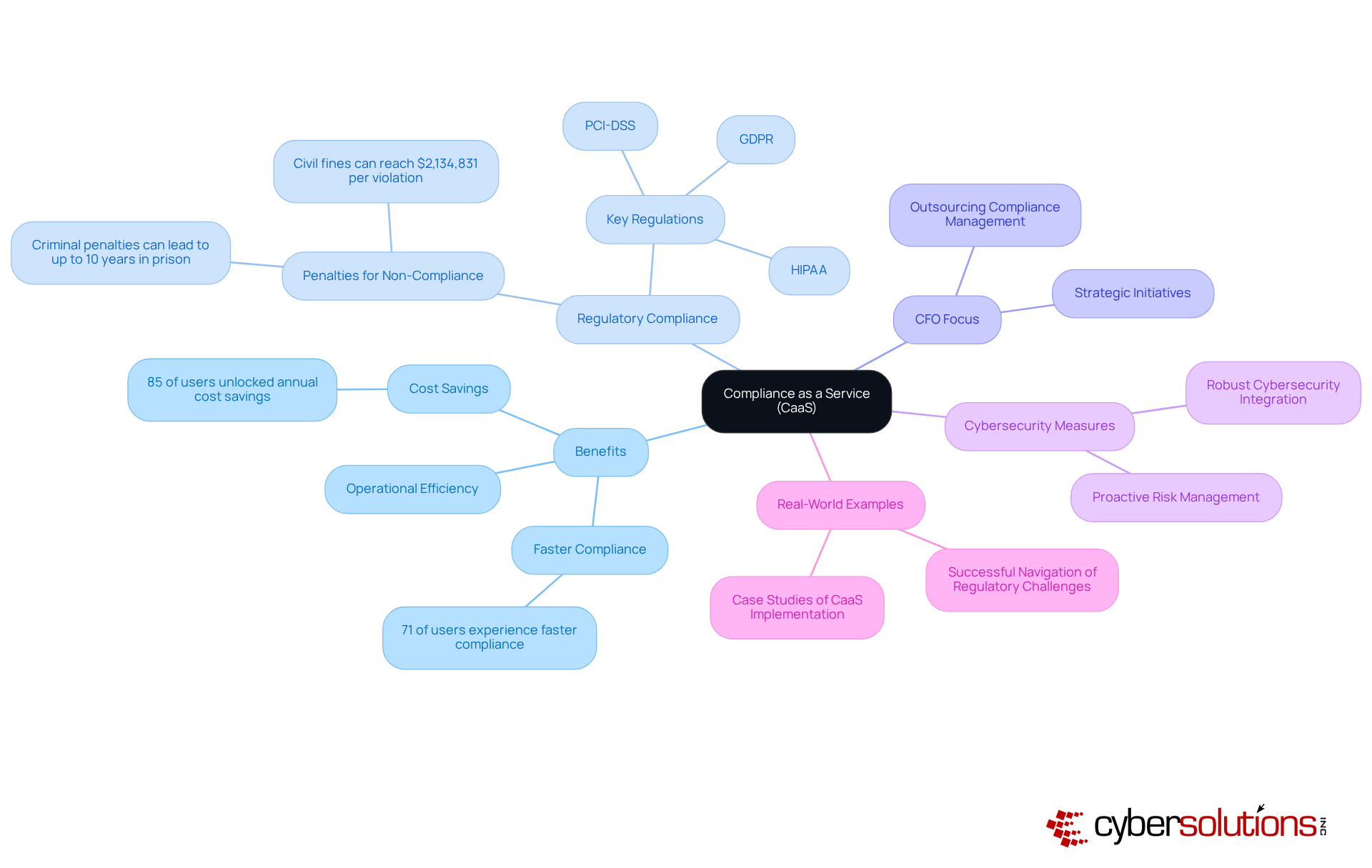
Compliance as a Service is crucial for medical entities, simplifying the compliance process through expert guidance and automated solutions. In a landscape where regulatory bodies impose significant penalties for non-compliance—civil fines can soar to $2,134,831 per violation and criminal penalties may result in up to 10 years in prison—CaaS becomes indispensable. By outsourcing compliance management, organizations can focus on strategic initiatives, confident that their organizations meet all regulatory requirements.
Not only does CaaS mitigate the risk of non-compliance, but it also enhances operational efficiency. Organizations utilizing CaaS have reported improved visibility into their compliance posture, with 71% of users experiencing faster compliance across multiple frameworks. This proactive approach transforms compliance from a burden into an opportunity, allowing healthcare leaders to prioritize delivering quality care while adhering to regulatory standards.
Our services integrate robust cybersecurity measures, including virtual CISO options that provide strategic oversight and guidance. CaaS identifies and addresses vulnerabilities to protect patient health information (PHI), while comprehensive reporting and audit support ensure you remain audit-ready with tailored documentation. Real-world examples underscore the effectiveness of CaaS: medical entities that embraced these services have successfully navigated regulatory challenges, ensuring adherence to evolving compliance requirements while optimizing their operational frameworks. As healthcare organizations leverage CaaS, it will be essential for them to safeguard their entities against compliance challenges.
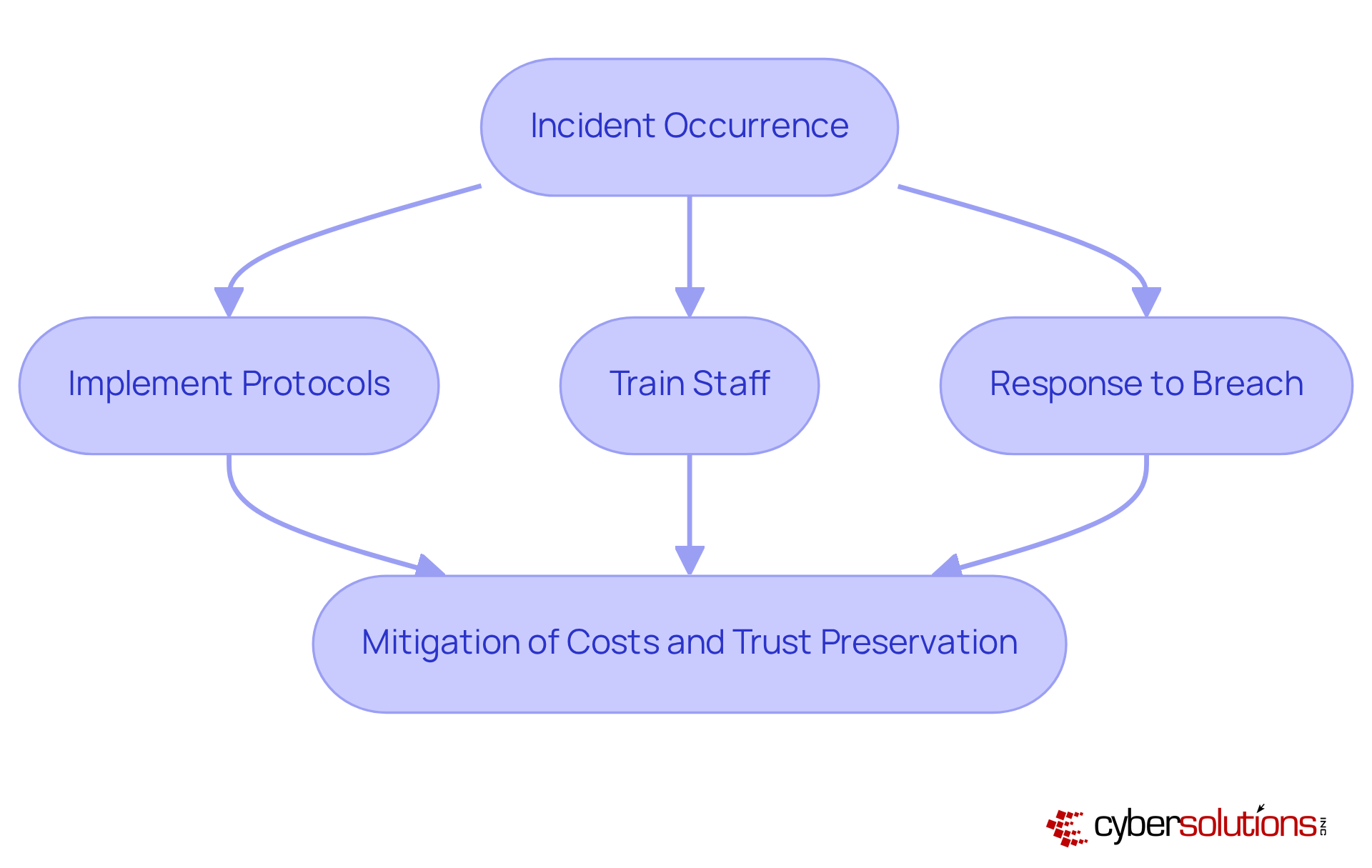
An effective plan is paramount for healthcare entities, enabling them to swiftly address and mitigate their security risks. By implementing clear protocols and providing training on incident management, organizations can ensure a prompt response to potential breaches. The significance of incident response extends beyond mere data security; it is crucial for patient safety.
In 2023, the medical sector reported an average cost of $10.93 million per data breach, highlighting the financial impact. Furthermore, incidents like the HCA Healthcare breach, which affected 11 million individuals, underscore the urgent need for robust incident response strategies.
As cyber threats continue to evolve in 2025, prioritizing swift incident response will be essential for protecting sensitive information and upholding the integrity of medical institutions.
In today's digital age, frequent vulnerability evaluations are essential for healthcare IT services. These assessments are pivotal in identifying security gaps, enabling organizations to implement necessary safeguards before cybercriminals can exploit vulnerabilities. Alarmingly, in 2024, 92% of medical entities reported facing a cyberattack, underscoring the urgent need for preventive actions. By prioritizing cybersecurity measures, healthcare CFOs can significantly bolster their organization's security posture and mitigate the risk of data breaches.
Our comprehensive services integrate robust cybersecurity measures, including threat detection, to effectively protect patient health information (PHI). Additionally, we provide compliance reporting and audit assistance, ensuring that entities remain compliant and prepared for audits. For instance, organizations that have embraced AI and automation tools in their incident response processes have demonstrated the capability to detect and contain threats an impressive 98 days faster than average, translating to nearly $1 million in cost savings. This statistic not only highlights the effectiveness of technology in enhancing security but also illustrates its role in driving financial efficiency—a crucial consideration for leaders in the medical field.
Moreover, our fractional or virtual CISO IT services offer strategic guidance to elevate compliance efforts. As Steve Alder, editor-in-chief of The HIPAA Journal, points out, ongoing training is vital for all workforce members. This reinforces the necessity of a comprehensive approach to cybersecurity, ensuring that organizations are not only compliant but also resilient against evolving threats.
empower medical institutions to optimize costs and enhance operations through scalable resources. By migrating to the cloud, organizations can significantly reduce reliance on costly on-premise infrastructure, which often incurs high maintenance and upgrade expenses. This transition not only improves efficiency but also fosters collaboration among medical teams, ultimately leading to superior patient care and more efficient operations.
Notably, medical institutions that adopted cloud computing reported an average reduction in operational costs of up to 40%, allowing them to allocate more resources toward patient care. Moreover, the integration of cloud technology enables real-time data access, which enhances care coordination and decision-making processes.
Given the critical nature of data security in the healthcare sector, selecting the right cloud provider is paramount. CFOs should view cloud solutions as a strategy that facilitates both operational efficiency and IT services, positioning their organizations for success in an increasingly competitive healthcare landscape.
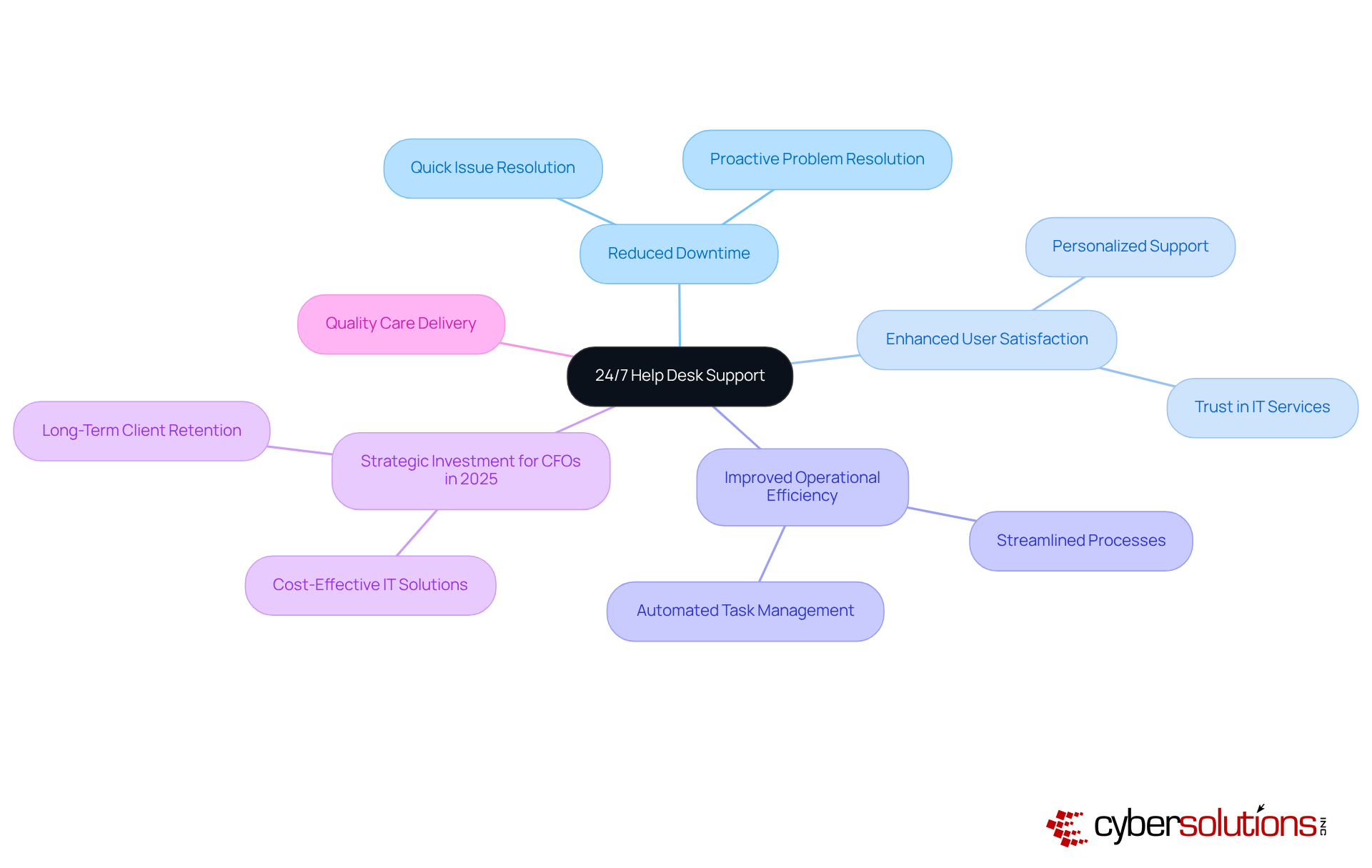
Help desk support is crucial for healthcare organizations. This continuous assistance ensures that issues are resolved swiftly, significantly improving efficiency and enabling providers to concentrate on delivering quality care. Reliable help desk support not only enhances user satisfaction but also improves productivity, making it an indispensable element of a successful healthcare operation.
In 2025, CFOs in the medical sector must prioritize investments in technology to facilitate seamless operations and achieve optimal outcomes for patients. Research has demonstrated that organizations can attain greater accessibility and trust, ultimately leading to improved patient care.
By proactively addressing challenges, healthcare facilities can ensure that their systems remain functional and secure.
The integration of essential IT services in healthcare is not just important; it is critical for CFOs who are determined to enhance security and operational efficiency. With the ever-evolving landscape of cyber threats, prioritizing cybersecurity measures has become imperative for healthcare organizations. Protecting sensitive patient information and ensuring compliance with stringent regulations are non-negotiable responsibilities. The focus on comprehensive managed IT services—including endpoint protection, threat detection, and backup solutions—highlights the necessity of a robust IT framework to counter the rising tide of cyber threats.
Key arguments throughout the article underscore the importance of proactive security measures, such as:
These measures are essential in mitigating risks associated with data breaches. The advantages of co-managed IT support and compliance as a service reveal how outsourcing specialized expertise can empower internal teams, streamline operations, and enhance overall security posture. Moreover, the financial implications of inadequate IT services, particularly the staggering costs associated with data breaches, reinforce the urgent need for investment in these critical areas.
Ultimately, the healthcare sector must adopt a strategic approach to IT services that prioritizes security, compliance, and efficiency. By investing in comprehensive solutions and cultivating a culture of proactive risk management, healthcare CFOs can not only shield their organizations from cyber threats but also bolster patient trust and improve care quality. The time to act is now; the future of healthcare hinges on these decisive steps.
Why is cybersecurity important for healthcare organizations?
Cybersecurity is essential for healthcare organizations due to the alarming rate of data breaches, with 3,158 reported in the U.S. in 2024. It ensures the protection of sensitive patient information and compliance with regulatory requirements.
What managed IT services does Cyber Solutions Inc. offer for healthcare?
Cyber Solutions Inc. offers a comprehensive package of IT services including 24/7 help desk support, endpoint protection, backup and disaster recovery, and co-managed IT support.
How does 24/7 help desk support benefit healthcare organizations?
The 24/7 help desk support provides immediate assistance for IT issues, minimizing downtime and enhancing operational efficiency, which is crucial for prompt access to information that can influence patient care.
What are the unique challenges faced by CFOs in the healthcare sector?
CFOs in the healthcare sector face challenges such as stringent regulatory requirements and the need to safeguard sensitive patient information, making robust cybersecurity measures critical.
What does Cyber Solutions’ HIPAA compliance solutions include?
Cyber Solutions’ HIPAA compliance solutions include proactive risk management, audit assistance, and virtual CISO offerings, all aimed at protecting sensitive health information (PHI).
What is endpoint protection and why is it necessary?
Endpoint protection is essential for safeguarding sensitive client data against cyber threats, providing real-time monitoring and threat detection to swiftly identify and address potential breaches.
What are the financial implications of inadequate endpoint security in healthcare?
The average cost of a medical data breach soared to $7.42 million in 2025, highlighting the financial imperative for robust cybersecurity measures to protect patient information.
How can proactive threat detection benefit healthcare organizations?
Proactive threat detection systems help identify potential security breaches before they escalate, significantly reducing incident response times by as much as 50%, thereby enhancing operational efficiency and safeguarding sensitive patient information.
What technologies are utilized in proactive threat detection?
Proactive threat detection leverages advanced analytics and machine learning to continuously monitor network activity and flag unusual behavior for rapid response.
Why should CFOs prioritize cybersecurity measures?
CFOs should prioritize cybersecurity measures to safeguard patient information, maintain compliance with regulatory standards, and protect their organizations from the financial and reputational damage caused by data breaches.
Managed IT Service Provider | Cyber Security | Incident Response | Compliance As A Service | Hosted Phone Service | Managed Security Service Provider | AI As A Service