


In the realm of healthcare, where cybersecurity threats loom large, understanding key performance indicators (KPIs) is paramount for C-suite leaders. As organizations strive to enhance their operational efficiency and safeguard against these threats, tracking the right IT KPIs can provide invaluable insights into performance and growth. With countless metrics available, how do executives pinpoint the KPIs that truly matter? Identifying and monitoring the right KPIs is not just a strategic advantage; it's essential for safeguarding the future of healthcare organizations in a digital age.
Let’s explore ten crucial IT KPIs that every C-suite leader should keep an eye on.
In an era where cybersecurity threats loom large, healthcare organizations must prioritize robust IT solutions to safeguard their operations. Cyber Solutions Inc. provides a comprehensive suite of managed IT services designed to streamline operations and enhance performance tracking for businesses. C-suite executives can leverage Cyber Solutions' expertise in network optimization and data backup to effectively monitor and improve IT KPI examples. This proactive approach minimizes downtime and enhances productivity, allowing leaders to focus on strategic decisions backed by accurate data.
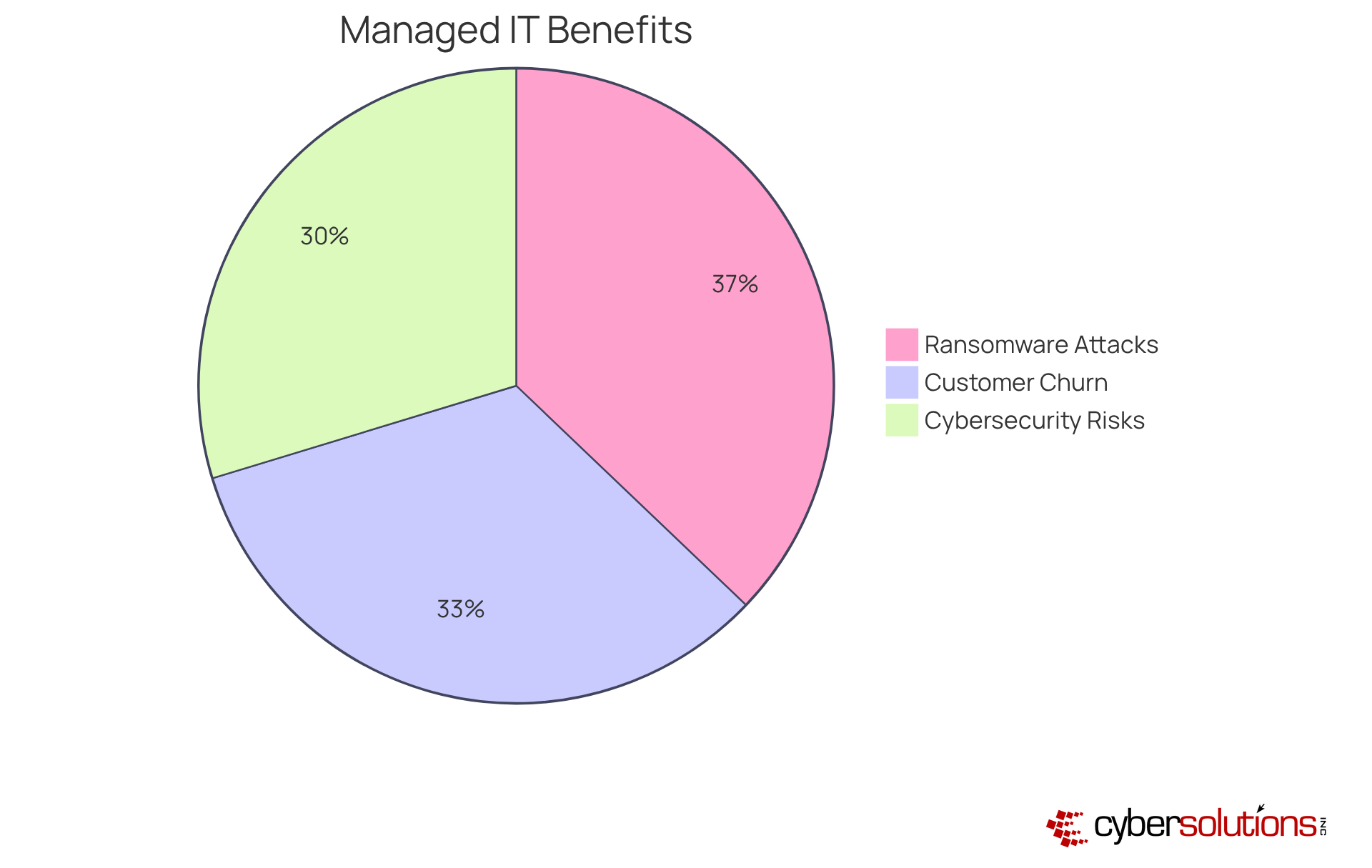
In 2026, organizations that adopt proactive monitoring will see a 60% decrease in cybersecurity risks. Additionally, they can expect a 75% reduction in ransomware attacks. This highlights the vital role of managed IT services in protecting business performance. Furthermore, immediate IT assistance boosts productivity and mitigates costly downtime. Studies indicate that 67% of customer churn is preventable if issues are resolved during the first contact.
By choosing Cyber Solutions, organizations can transform their operational challenges into opportunities for growth. This partnership not only equips businesses with essential tools but also positions them for long-term success in an increasingly perilous digital landscape.
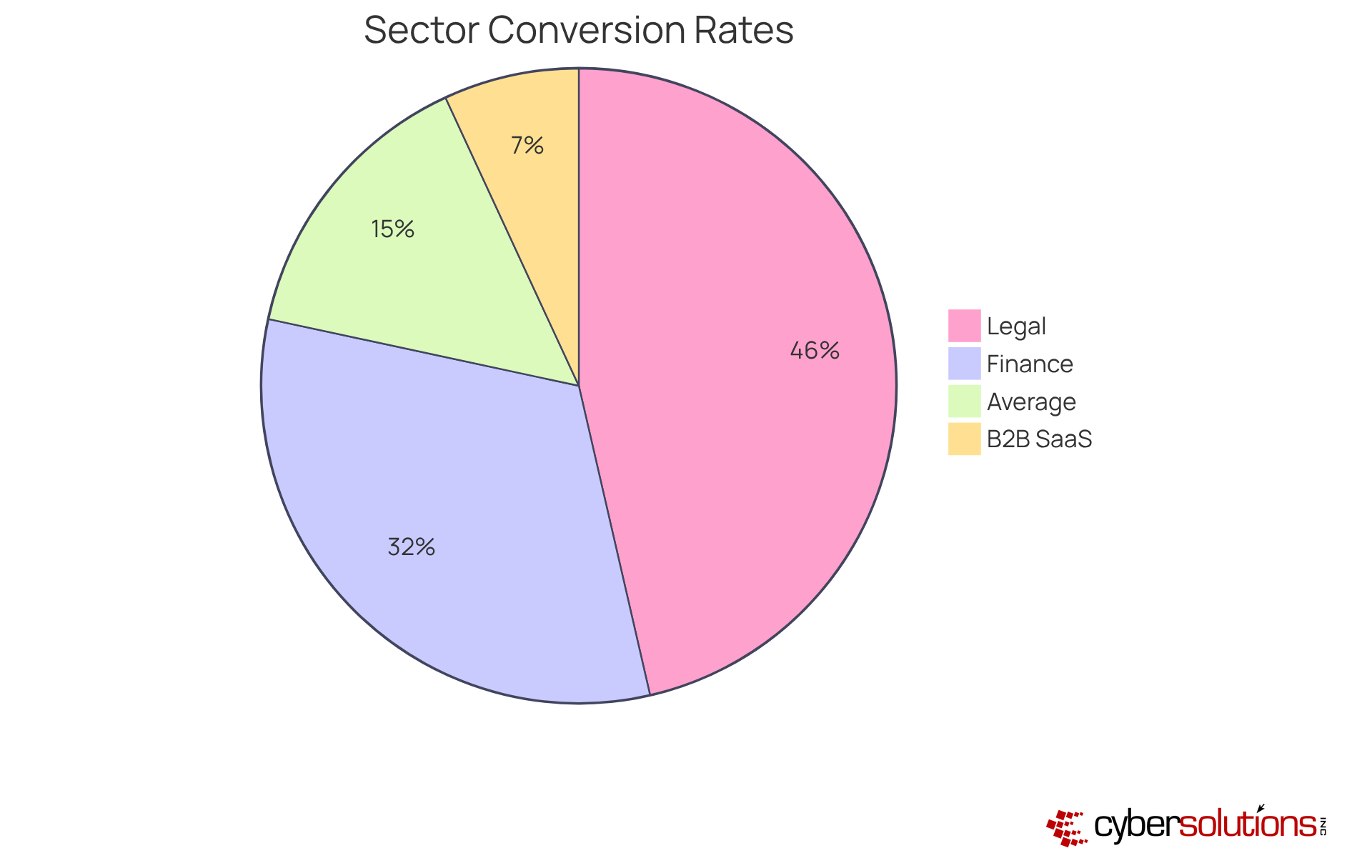
In a competitive landscape, understanding conversion ratios is crucial for C-suite leaders aiming to drive growth and optimize marketing effectiveness. The conversion ratio is a key measure, calculated by dividing the number of conversions - such as transactions or sign-ups - by the total number of visitors to a website or landing page. This metric is vital for leaders, as it reveals the effectiveness of marketing campaigns and sales strategies. For instance, the typical conversion percentage across various sectors hovers around 2.35%, while top firms achieve figures of 5.31% or higher. Specific benchmarks show that B2B SaaS companies average a conversion percentage of 1.1%, whereas the Finance and Legal sectors reach percentages of 5.10% and 7.4%, respectively. When conversion rates dip below industry standards, organizations risk stagnation and missed opportunities. Conversely, a higher conversion proportion often indicates effective client acquisition efforts, prompting leaders to reassess their marketing tactics and client engagement methods.
Understanding conversion metrics helps leaders pinpoint friction points in the customer journey. This insight enables targeted enhancements. For example, companies that improve their landing pages can see conversion increases of 40-60% annually through structured conversion optimization (CRO) initiatives, aiming to boost conversion percentages by 0.5% to 1% within six months. Additionally, leveraging AI-driven tools can enhance testing efficiency; AI-powered A/B testing reaches statistical significance 31% faster, allowing for quicker identification of winning strategies. Therefore, monitoring and analyzing conversion metrics is essential for aligning marketing initiatives with organizational growth goals and ensuring efficient resource distribution. Ultimately, the ability to leverage conversion metrics can be the difference between thriving and merely surviving in today's market.
In an era where client loyalty is paramount, understanding the client retention ratio is crucial for C-suite leaders in healthcare. This metric is essential for C-suite leaders because it reveals how well services and products resonate with clients, directly impacting their satisfaction. Elevated retention levels frequently align with enhanced lifetime value (CLV), and by focusing on client retention, organizations can significantly enhance their strategic planning and resource allocation.

In the fast-paced world of healthcare, how quickly you respond can make or break client relationships. Average response time is one of the important IT KPI examples that assesses how swiftly organizations handle inquiries or issues from clients. For C-suite leaders, IT KPI examples are vital as they directly influence client satisfaction and retention rates. Organizations must aim to respond faster than clients expect. Research shows that clients contacted within five minutes are 21 times more likely to convert, underscoring the significant impact of prompt responses on client loyalty. Additionally, companies responding to sales leads within one hour are seven times more likely to qualify those leads, further emphasizing the importance of quick response times.
Frequent examination of response times can help organizations identify bottlenecks in their service processes, allowing them to implement IT KPI examples for essential enhancements. How does a delayed response affect client trust? Companies that prioritize quick responses often see a boost in client satisfaction, with 94% of consumers likely to make another purchase after a favorable service experience. Moreover, 88% of clients assert that excellent service significantly increases their likelihood of repeat purchases, reinforcing the connection between response times and loyalty.
Integrating client feedback tools and response time tracking software can enhance service efficiency, ensuring prompt replies and promoting a client-focused approach. By prioritizing response times, organizations can use IT KPI examples to transform client relationships and drive loyalty. As client expectations continue to rise, maintaining swift response times is crucial for sustaining competitive advantage and driving revenue growth. Implementing response time tracking software can further enhance service efficiency and ensure that organizations meet their client service goals.

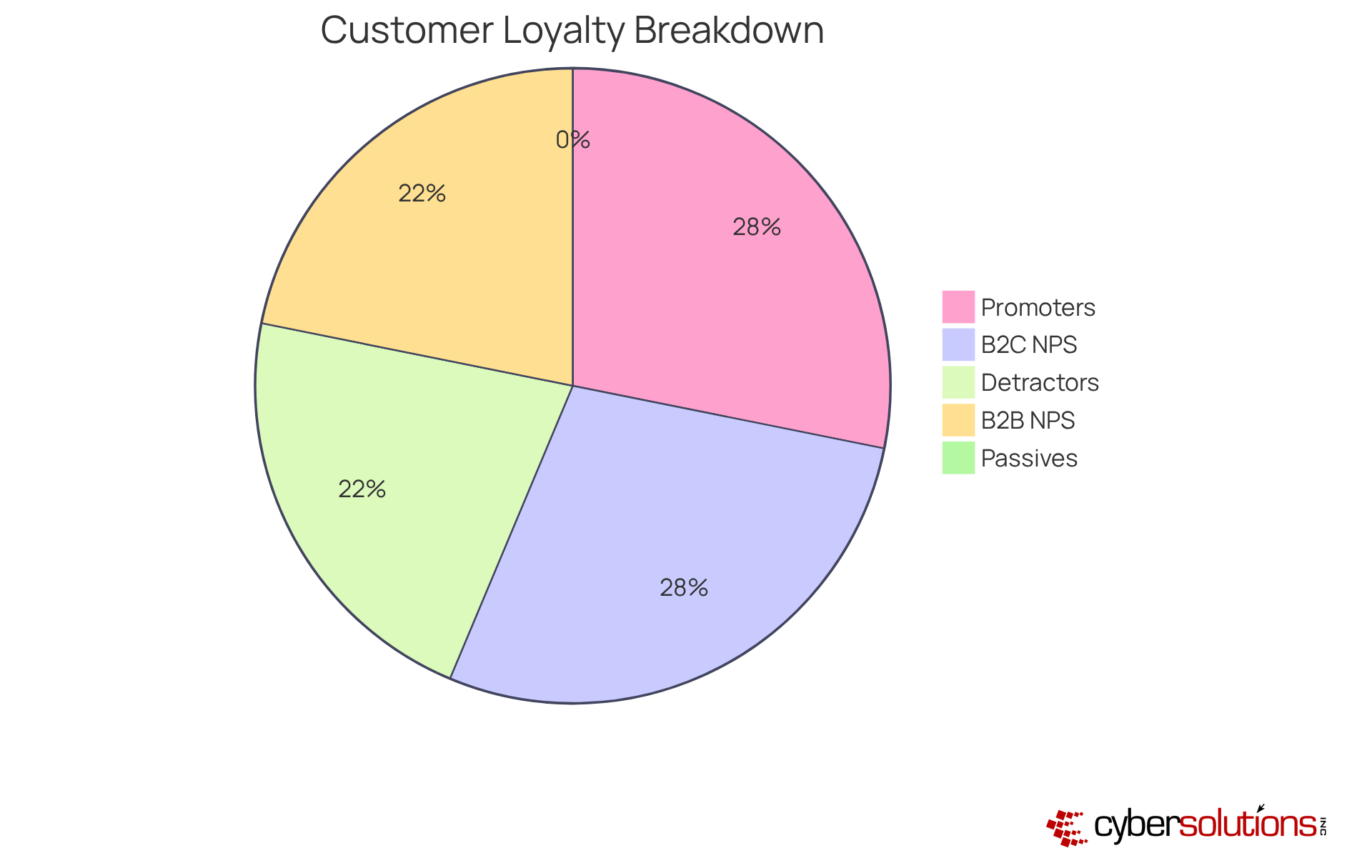
In an era where healthcare organizations face unprecedented cybersecurity threats, understanding the implications for financial leadership is crucial. Net Promoter Score (NPS) is determined by inquiring how likely individuals are to suggest a company to others on a scale of 0 to 10. This metric classifies individuals into promoters, passives, and detractors.
C-suite leaders need to keep a close eye on NPS because it reveals how loyal and satisfied clients truly are. When NPS is high, it signals that clients are not just satisfied - they're ready to champion your brand, driving organic growth through valuable referrals. Consistently measuring NPS enables organizations to pinpoint areas for enhancement and improve client experiences.
Interestingly, B2C companies boast an average NPS of 49, while B2B companies lag behind at 38 - this gap underscores the need for strategic improvements in client engagement. Closing the feedback loop by showing clients that their input has been addressed is essential for enhancing NPS and turning detractors into promoters.
Furthermore, high-NPS companies empower employees to resolve issues quickly without bureaucratic delays, illustrating effective customer service practices. By prioritizing cybersecurity, CFOs can not only protect their organizations but also drive sustainable growth through enhanced client trust and loyalty.
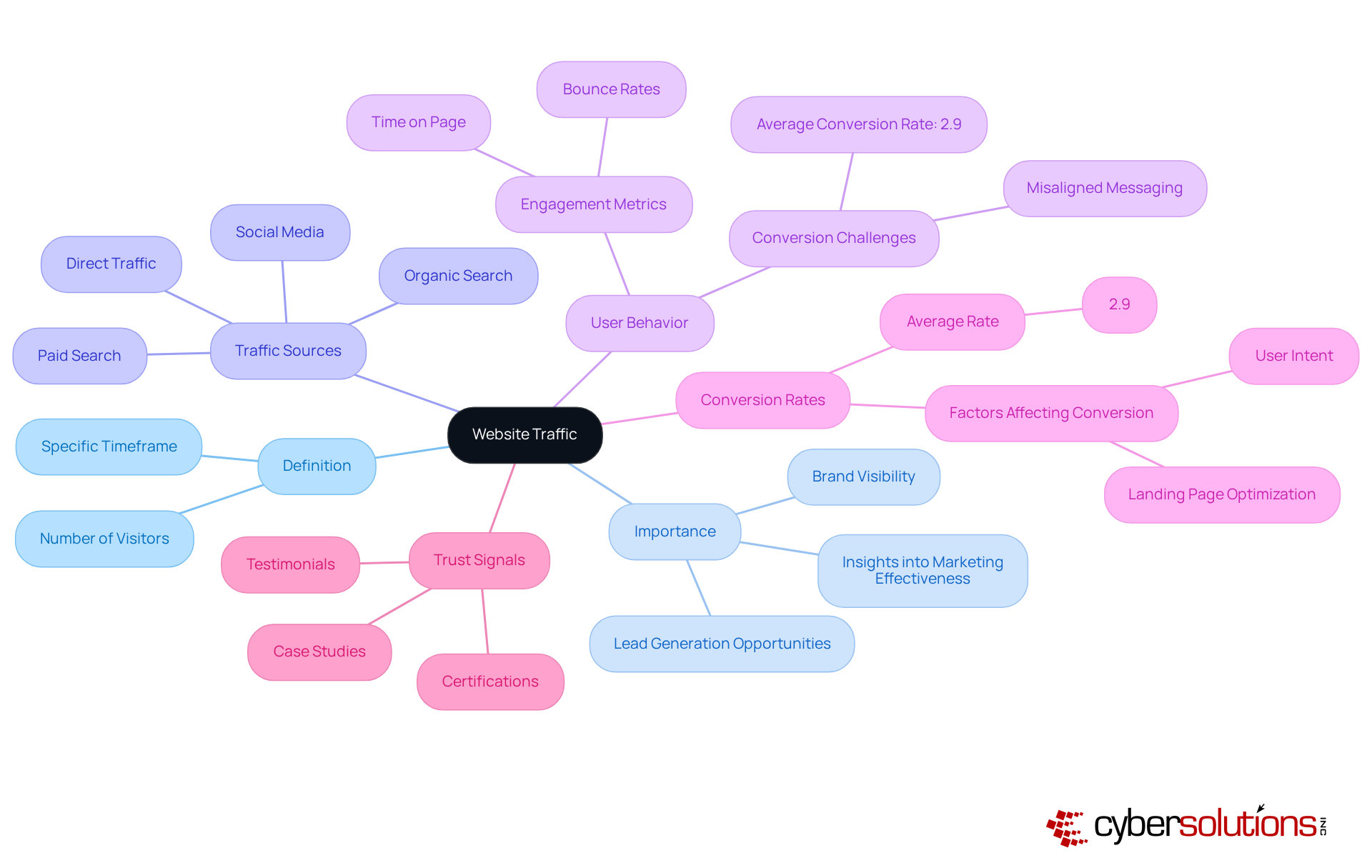
In an era where digital presence is paramount, understanding website traffic is crucial for C-suite leaders navigating the complexities of online marketing. Website traffic, defined as the number of visitors to a website over a specific timeframe, serves as a vital metric. It offers critical insights into the effectiveness of online marketing initiatives and overall brand visibility. Organizations can pinpoint successful marketing channels by examining traffic sources. They can also identify areas for enhancement by analyzing user behavior and engagement metrics.
Significantly, high website traffic is frequently associated with enhanced lead generation and revenue opportunities, emphasizing its significance in influencing digital marketing strategies. However, despite attracting visitors, many organizations struggle to convert them into actionable leads, with an average website conversion percentage of only 2.9%. To build credibility with potential leads, how can companies incorporate trust signals? By using testimonials and case studies.
Kelly Cutler highlights that engagement metrics are evolving, and understanding the distinction between traffic as a measure of reach and leads as a measure of relevance is crucial for developing effective lead generation strategies. This understanding can lead to more targeted marketing efforts and improved conversion rates.
In an era where every transaction counts, understanding revenue growth is not just beneficial - it's essential for C-suite executives. The revenue growth rate measures the percentage increase in transactions over a specific period. Its KPI examples are vital for C-suite executives. It reveals how well the organization generates income and expands its market presence. For instance, retail trade transactions rose by 5.2% compared to the prior year, underscoring the importance of tracking growth trends.
When leaders keep a close eye on revenue growth, they can spot trends, assess strategy effectiveness, and make informed decisions to boost performance. A consistent upward trend in revenue growth indicates a healthy business trajectory and can attract potential investors. As Jennifer Nash observes, 'Current control purchases are up 5.8% compared to one year ago,' emphasizing the importance of revenue growth in assessing business valuation.
How can C-suite leaders effectively monitor revenue growth? By implementing tools like dashboards or analytics software that offer real-time performance insights. This proactive approach boosts operational efficiency and positions the company well in a competitive landscape. With retail sales projected to grow by 4.4% in 2026, the timing couldn't be better. Without a clear grasp of revenue growth, organizations risk stagnation and losing their competitive edge.

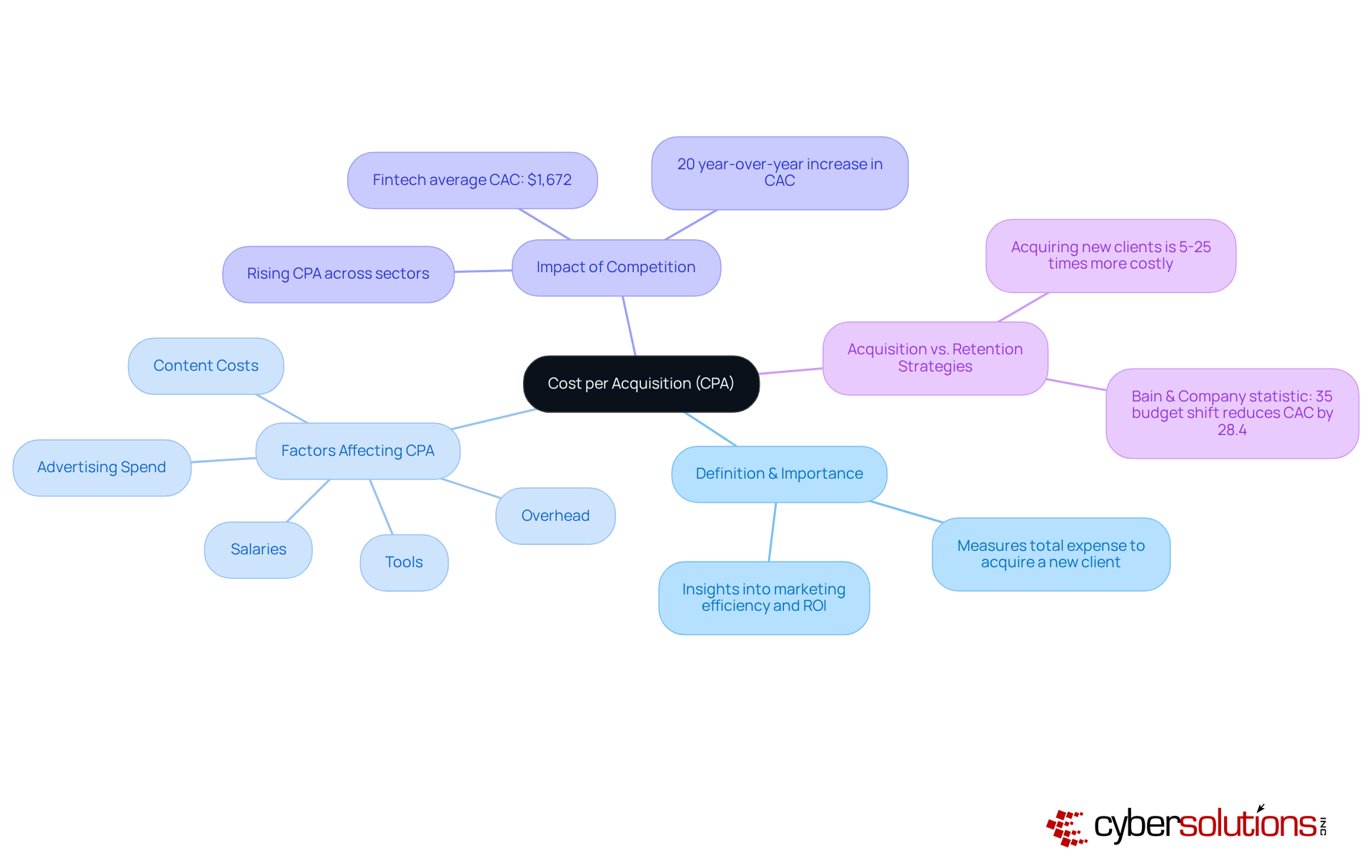
In an era where every dollar counts, understanding the cost per acquisition (CPA) is vital for C-suite leaders navigating the complexities of client acquisition. CPA measures the total expense incurred to acquire a new client through marketing efforts, providing crucial insights into the efficiency of marketing campaigns and overall return on investment (ROI). By analyzing CPA, organizations can pinpoint the most effective marketing channels and allocate resources accordingly. A lower CPA indicates more efficient marketing strategies, while a higher CPA may signal the need for adjustments in targeting or messaging.
As competition intensifies, organizations face the daunting challenge of rising CPA, which can strain budgets and resources. In 2026, the average CPA across various sectors saw a notable increase, reflecting heightened competition and rising costs associated with digital advertising. For instance, the average client acquisition cost for fintech firms surged to $1,672, marking a 15.3% year-over-year rise. Additionally, CAC has increased by 20% year-over-year across most channels, underscoring the importance of optimizing CPA to enhance marketing efficiency and ROI.
Calculating CPA effectively requires organizations to account for all relevant expenditures. This includes:
By adopting a comprehensive approach to CPA analysis, businesses can identify inefficiencies and refine their marketing strategies, ultimately driving better financial outcomes.
Furthermore, companies that concentrate on retention strategies can greatly lower their total acquisition expenses. Gaining new clients can be 5 to 25 times more costly than keeping current ones. How can organizations balance the pursuit of new customers with the nurturing of existing relationships to truly maximize ROI? As noted by Bain & Company, brands that shift a minimum of 35% of their marketing budget toward retention-focused initiatives report an average CAC reduction of 28.4%, demonstrating the financial impact of effective retention strategies. Ultimately, a strategic focus on both acquisition and retention can redefine financial success in an increasingly competitive landscape.
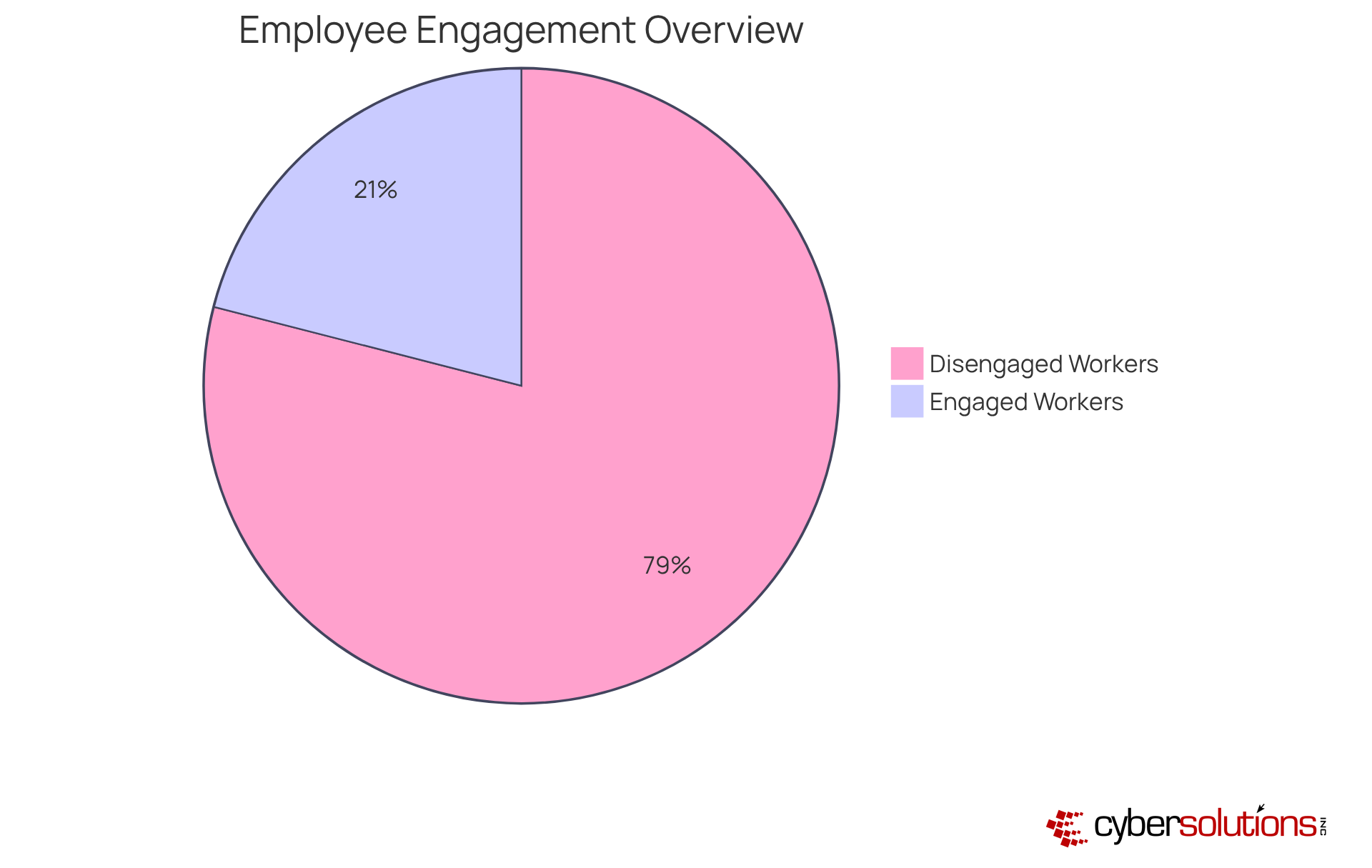
In today's competitive landscape, understanding employee productivity is crucial for C-suite executives aiming to drive organizational success. The employee productivity level assesses the output of employees in relation to the input, such as hours worked. This KPI is essential as it provides insights into workforce efficiency and effectiveness, which can be illustrated through its KPI examples. By regularly monitoring productivity rates, organizations can identify high-performing teams, address performance issues, and implement strategies to enhance overall productivity.
Notably, only 21% of workers worldwide report being engaged at work. This disengagement contributes to a staggering global productivity loss of $438 billion in 2024. Organizations that prioritize mental health support can expect a 4:1 return on investment, underscoring the importance of employee well-being in enhancing productivity. Furthermore, 69% of employees cite lack of recognition as a key productivity motivator, highlighting the need for a culture of appreciation.
Flexible work options also play a crucial role in boosting productivity, allowing employees to work in environments that best suit their needs. When leaders foster a culture of recognition and support, they create an environment where employees feel valued, leading to better performance and a more engaged workforce. Ultimately, prioritizing employee productivity fosters not just financial success but also a vibrant and engaged workplace culture that benefits everyone involved.
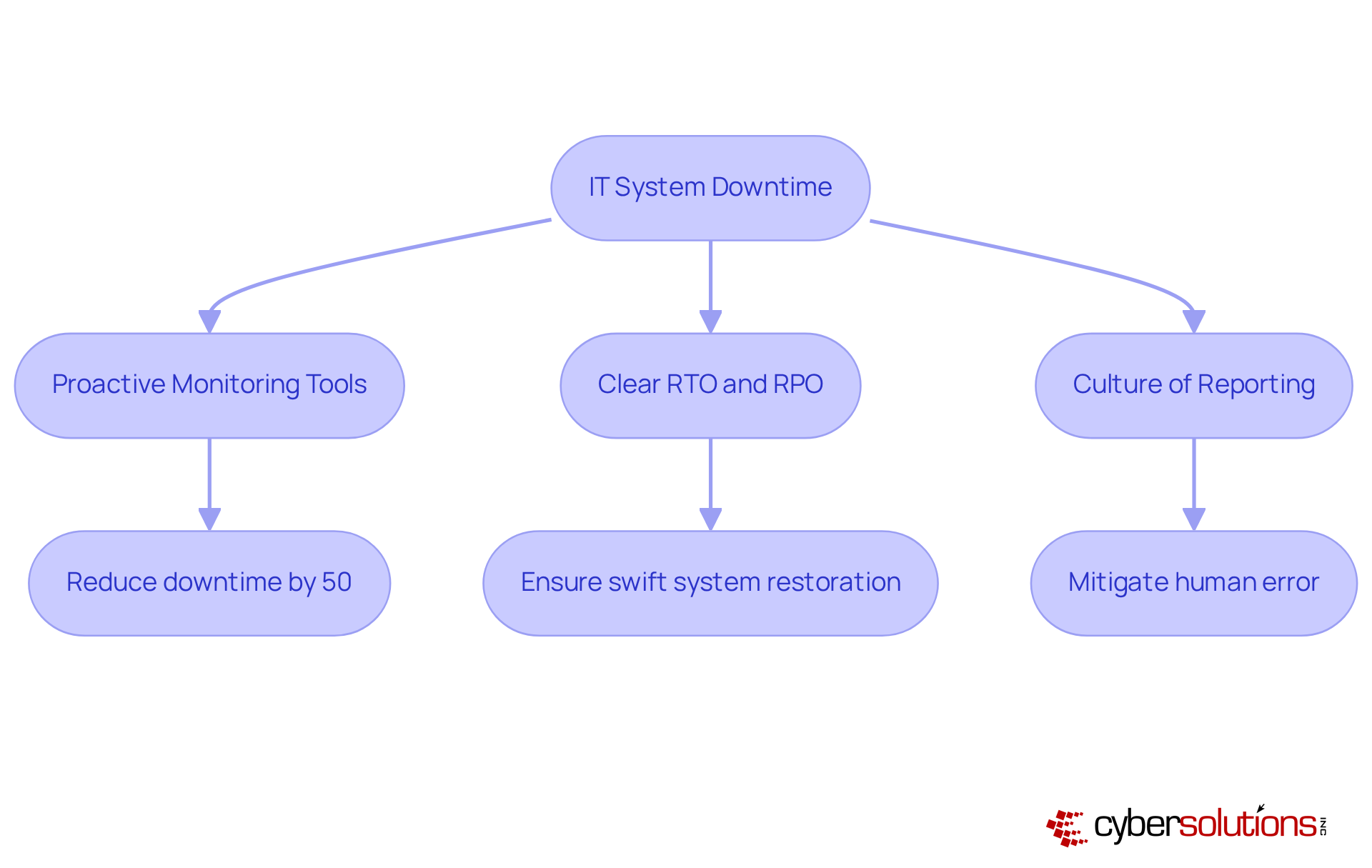
In the healthcare sector, every minute of IT system downtime can translate into staggering financial losses and compromised patient care. IT system downtime is one of the important IT KPI examples, referring to the time when systems are down, which is crucial for C-suite executives. This metric significantly impacts business operations, client satisfaction, and revenue generation. For instance, the average cost of downtime varies by industry, with healthcare experiencing losses of $318,000 to $540,000 per hour, while financial services can incur costs of up to $9.3 million per hour. If organizations ignore downtime, they risk facing huge financial losses and losing the trust of their customers. By tracking downtime closely, organizations can spot patterns and evaluate how well their IT infrastructure is performing, which leads to smarter decisions.
To minimize disruptions, businesses can adopt several strategies:
When organizations make reducing downtime a priority, they not only save money but also boost their reputation and improve operational efficiency.
Industry leaders emphasize the importance of minimizing downtime for operational efficiency. As one CIO noted, "Adopt a zero-tolerance mindset toward downtime," highlighting the need for organizations to prioritize digital resilience. By implementing robust systems and processes, companies can enhance their operational capabilities, ultimately strengthening customer trust and loyalty while safeguarding their bottom line. Ultimately, the commitment to minimizing downtime can be the difference between thriving and merely surviving in a competitive landscape.
In today's fast-paced business environment, C-suite leaders must navigate the complexities of IT performance to drive success. Tracking essential IT KPIs is crucial for informed decision-making. Executives can gain valuable insights by focusing on key performance indicators like:
This drives operational efficiency and strategic growth. The integration of managed IT services further enhances this capability, enabling organizations to minimize risks and optimize performance.
Throughout the article, we've explored various IT KPIs, highlighting their significance in enhancing business performance. Metrics like Net Promoter Score (NPS) gauge customer loyalty, while sales growth rates and cost per acquisition (CPA) provide a clear picture of financial health and marketing effectiveness. Additionally, understanding employee productivity and response times can lead to improved client interactions and satisfaction, ultimately fostering long-term loyalty.
In a world where every decision shapes an organization's future, can leaders afford to overlook the importance of these IT KPIs? Prioritizing these metrics is not just beneficial but essential. When C-suite leaders take a proactive approach to tracking KPIs and use managed IT services, they can make their organizations resilient and ready for sustainable growth. Ultimately, the commitment to KPI tracking and managed IT services will define the leaders who thrive in a competitive landscape.
What managed IT services does Cyber Solutions Inc. provide?
Cyber Solutions Inc. offers a comprehensive suite of managed IT services that includes network optimization and data backup, designed to streamline operations and enhance performance tracking for businesses.
How do managed IT services impact cybersecurity risks?
Organizations that adopt proactive monitoring through managed IT services can expect a 60% decrease in cybersecurity risks and a 75% reduction in ransomware attacks.
What is the significance of immediate IT assistance?
Immediate IT assistance boosts productivity and helps mitigate costly downtime, with studies indicating that 67% of customer churn is preventable if issues are resolved during the first contact.
How can organizations benefit from partnering with Cyber Solutions?
By choosing Cyber Solutions, organizations can transform operational challenges into opportunities for growth, equipping them with essential tools for long-term success in a digital landscape.
What is a conversion ratio, and why is it important?
The conversion ratio is calculated by dividing the number of conversions (such as transactions or sign-ups) by the total number of visitors to a website or landing page. It is important for C-suite leaders as it reveals the effectiveness of marketing campaigns and sales strategies.
What are typical conversion percentages across different sectors?
The typical conversion percentage across various sectors is around 2.35%, while top firms achieve figures of 5.31% or higher. B2B SaaS companies average 1.1%, while the Finance and Legal sectors reach percentages of 5.10% and 7.4%, respectively.
How can companies improve their conversion rates?
Companies can improve their conversion rates by enhancing landing pages, which can lead to annual increases of 40-60% through structured conversion optimization initiatives. Additionally, leveraging AI-driven tools can enhance testing efficiency.
Why is understanding customer retention rate important for C-suite leaders?
Understanding the client retention ratio is crucial as it reveals how well services and products resonate with clients, impacting their satisfaction and aligning with enhanced lifetime value (CLV). Focusing on client retention can significantly improve strategic planning and resource allocation.
Managed IT Service Provider | Cyber Security | Incident Response | Compliance As A Service | Hosted Phone Service | Managed Security Service Provider | AI As A Service