


In an era where cyber threats loom large, the healthcare sector faces unprecedented challenges in safeguarding its operations and patient data. The importance of effective disaster recovery (DR) strategies cannot be overstated, especially for C-suite leaders who must navigate these turbulent waters. This article delves into the critical components of DR and Recovery Point Objective (RPO), offering insights into how executives can protect their organizations against potential crises. Without robust DR strategies, healthcare organizations risk severe operational disruptions and compromised patient safety. The question remains: are your disaster recovery plans equipped to handle the evolving landscape of cyber threats?
In an era where cyber threats loom large, the need for robust disaster recovery strategies in healthcare has never been more critical. Disaster Recovery (DR) involves the strategies and processes companies use to restore critical IT systems and data after disruptions like natural disasters, cyberattacks, or hardware failures. It encompasses a range of activities designed to minimize downtime and data loss, ensuring that business operations can resume as quickly as possible.
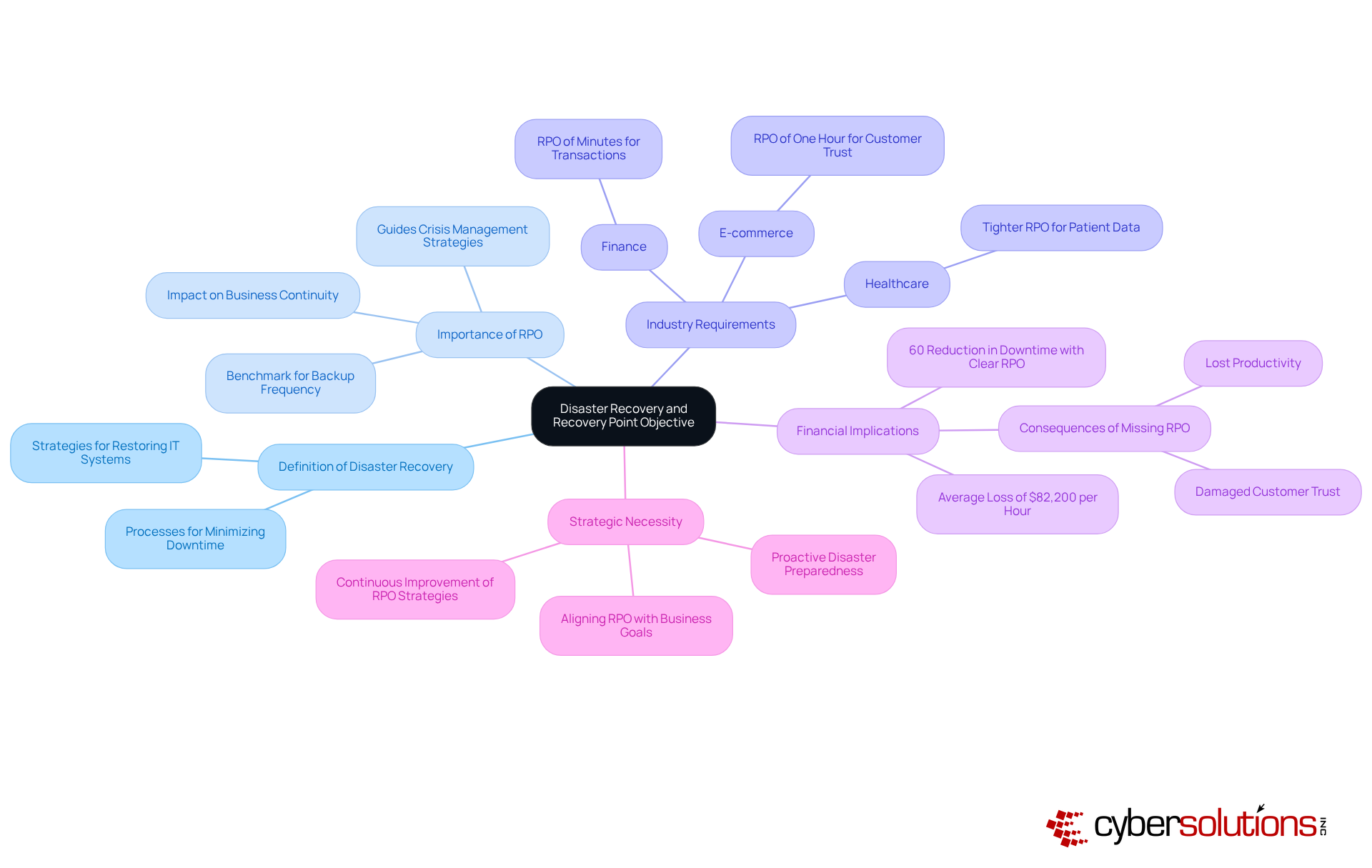
The DR RPO, or Recovery Point Objective, is an important metric in contingency planning that specifies the maximum permissible level of data loss assessed in time. For instance, if a company has an RPO of four hours, it indicates that in the case of an emergency, the entity can accept losing up to four hours' worth of data. Understanding these concepts is vital for C-suite leaders as they guide their organizations in developing effective crisis management strategies that align with business goals and compliance standards.
The importance of DR RPO cannot be overstated; it serves as a benchmark for establishing backup frequency and restoration strategies. Industries such as healthcare and finance, where data integrity is paramount, often require tighter DR RPO to mitigate risks associated with data loss. For example, financial firms may need an RPO of just a few minutes to ensure real-time transaction integrity, while e-commerce platforms might aim for an RPO of one hour to maintain customer trust and operational continuity.
By 2026, companies increasingly recognize the importance of well-defined DR RPO, with research suggesting that enterprises with clear DR RPO objectives can lessen downtime by roughly 60% during crisis events. Additionally, not achieving RPO objectives can lead to significant financial setbacks, with firms facing an average loss of $82,200 per hour without a dependable contingency plan. This stark reality compels C-suite leaders to act swiftly in defining their DR RPO to protect their organizations against potential disruptions. Prioritizing RPO is not just a strategic choice; it's a necessity for survival in today's volatile landscape.
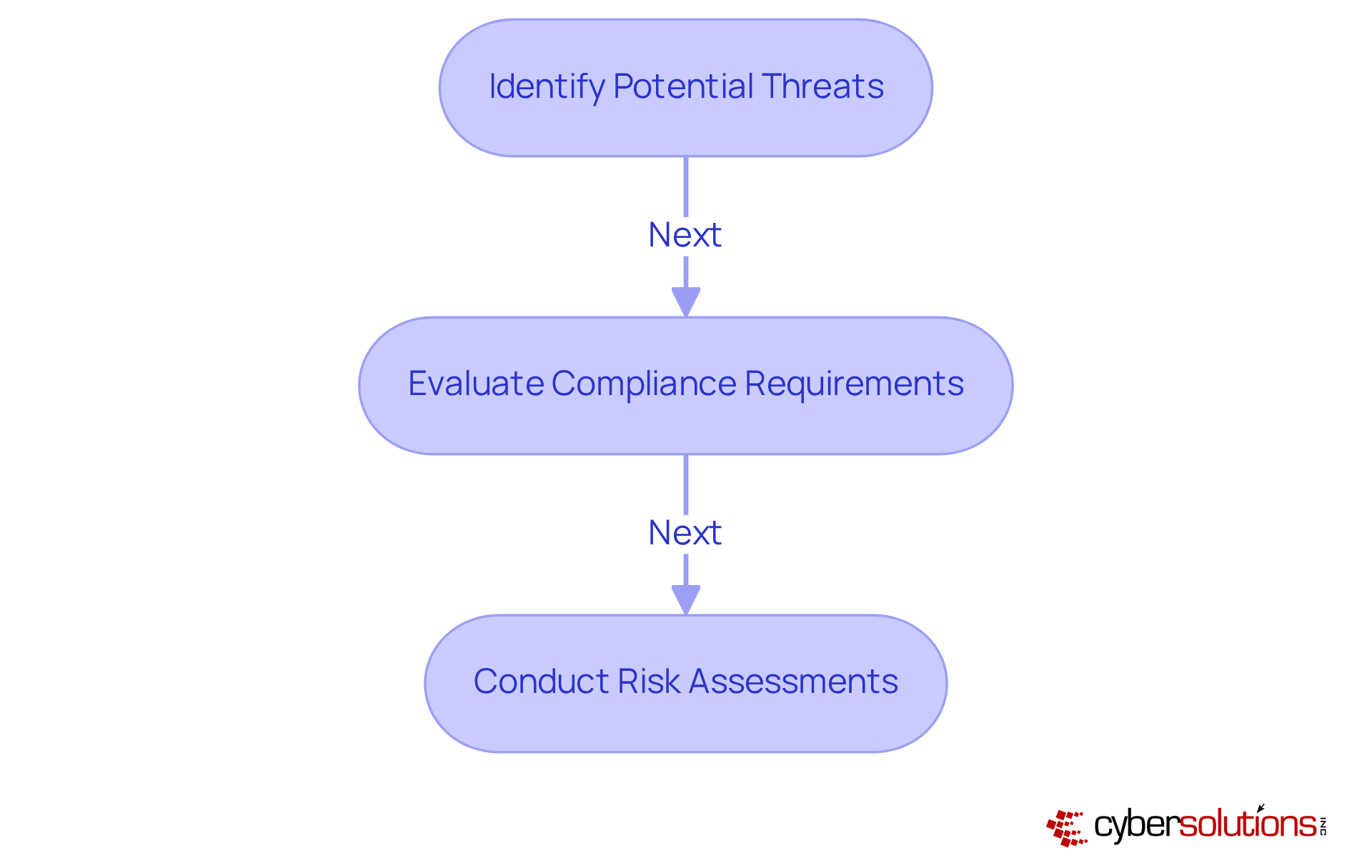
In an era where cybersecurity threats loom large, healthcare organizations face unprecedented challenges in safeguarding sensitive patient data. C-suite executives must conduct a comprehensive assessment of industry-specific risks and compliance requirements that govern their operations. In healthcare, organizations are bound by stringent regulations such as HIPAA, which mandates the protection of patient data. Financial institutions, on the other hand, must adhere to PCI-DSS standards to safeguard payment information, reflecting the critical nature of compliance in these sectors. Additionally, compliance with standards like CMMC, SOX, and GDPR is essential for a holistic approach to regulatory adherence.
To tackle these challenges head-on, leaders need to:
By tackling these elements, C-suite executives can create a contingency plan that not only safeguards their entity but also guarantees adherence to industry standards, ultimately boosting operational resilience. Ultimately, embracing CaaS solutions empowers healthcare leaders to navigate compliance complexities while fortifying their organizations against evolving threats.
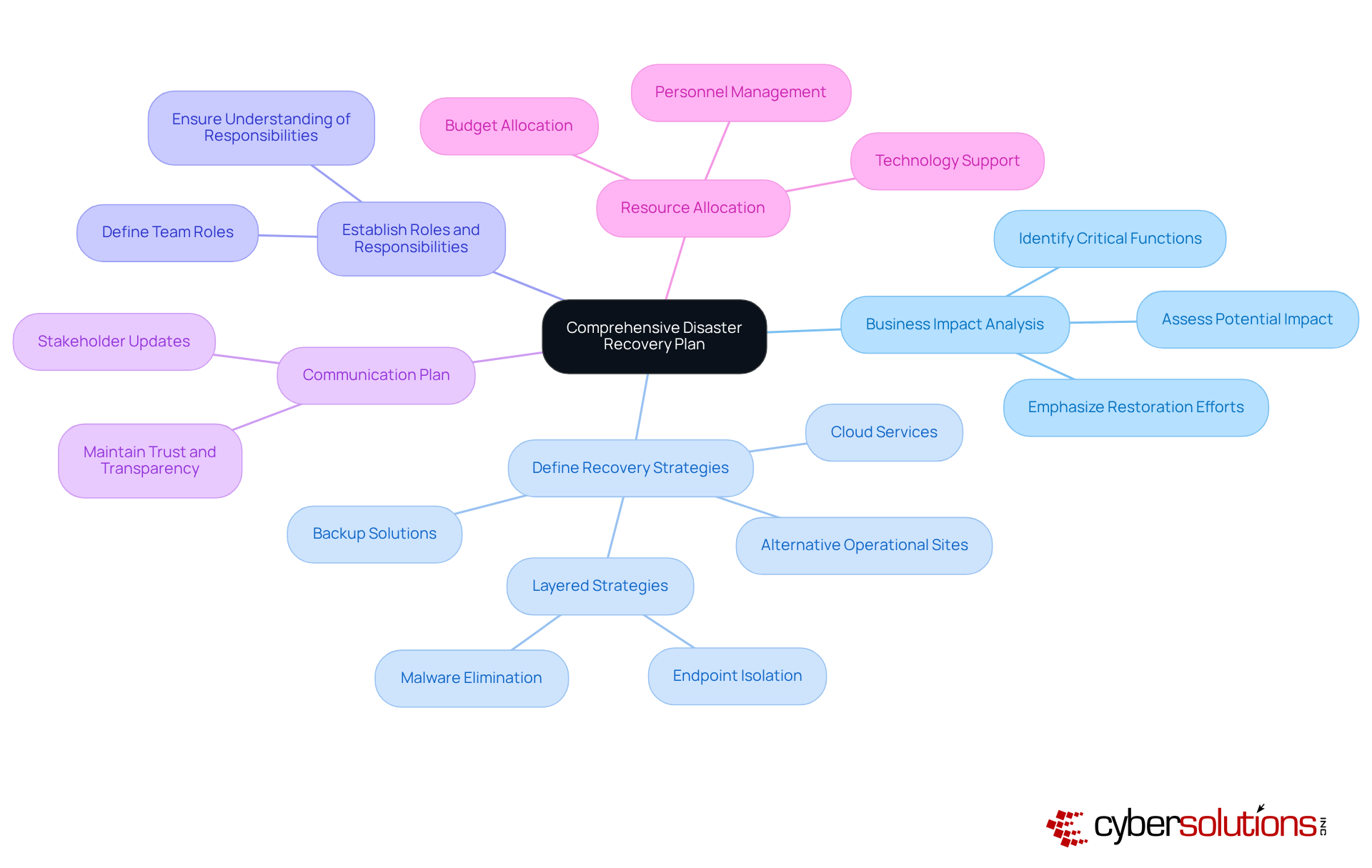
In an era where cyber threats loom large, a robust disaster response plan (DR RPO) is not just a safety net; it's a lifeline for healthcare organizations facing potential disruptions. C-suite leaders must ensure their DRP encompasses the following essential components:
Without a proactive approach to disaster response, organizations risk not only their operations but also the trust of those they serve, making a DR RPO an indispensable asset in today's healthcare landscape.
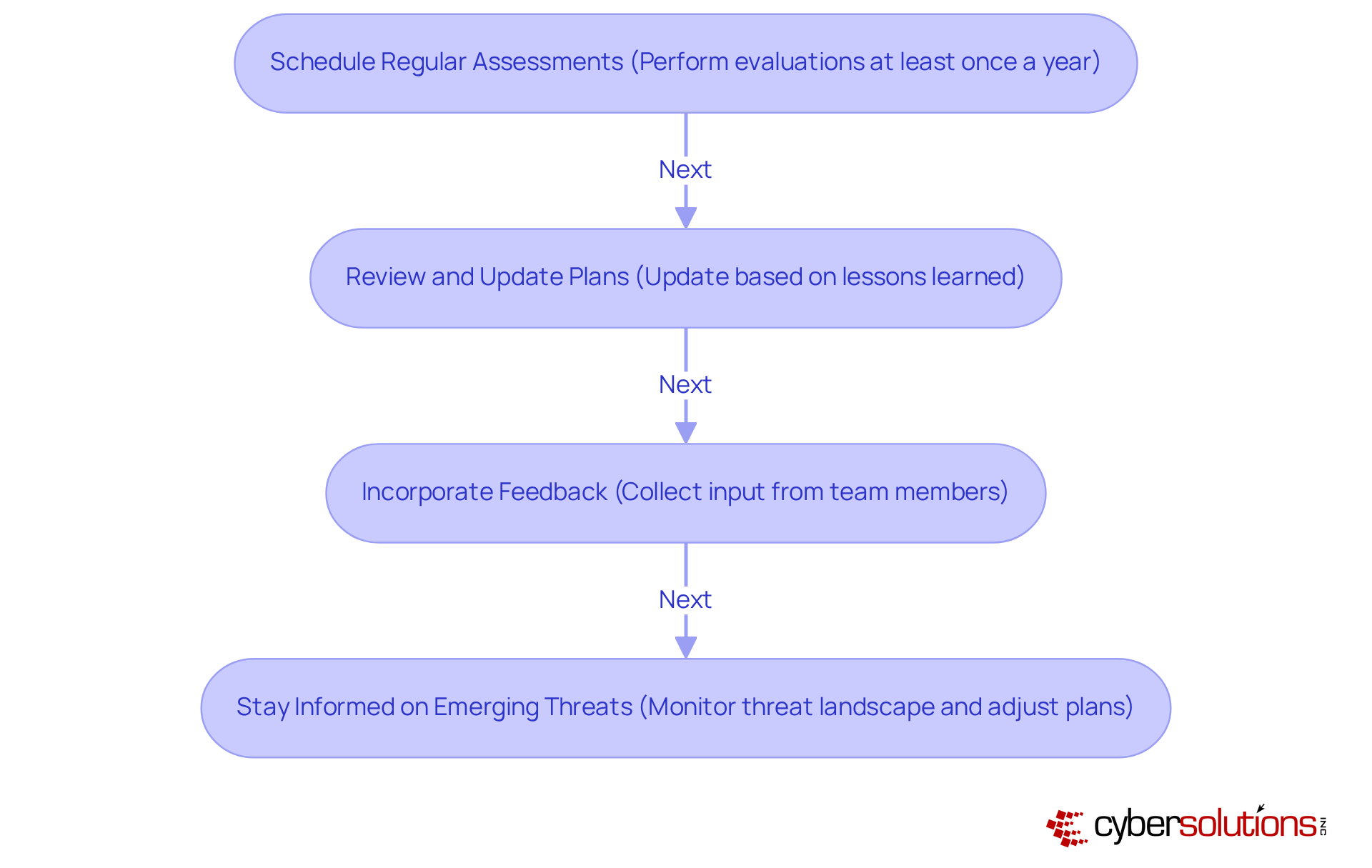
In an era where cyber threats loom large, the integrity of emergency response plans in healthcare is non-negotiable. To navigate these challenges effectively, C-suite leaders must embrace these essential best practices:
Without routine evaluations, organizations risk facing unpreparedness during actual emergencies. Ultimately, a proactive approach to disaster recovery not only safeguards assets but also fortifies the organization's resilience against future crises.
In healthcare, the stakes are high; effective disaster recovery strategies are not just important - they're essential for survival. C-suite leaders play a crucial role in ensuring their organizations are prepared for potential disruptions, safeguarding both data integrity and operational continuity. Executives must understand and implement robust DR practices. This enables them to navigate crisis management complexities while ensuring compliance with regulations and industry standards.
Throughout this discussion, key insights have emerged, emphasizing the necessity of:
The importance of conducting thorough risk assessments, establishing clear recovery strategies, and ensuring communication plans are in place cannot be overstated. Neglecting disaster recovery can cost organizations dearly, both financially and operationally. Moreover, the financial implications of neglecting these strategies, such as significant losses per hour of downtime, underscore the urgency for leaders to prioritize disaster recovery as a fundamental component of their organizational strategy.
The message is clear: proactive disaster recovery planning is essential. It is a strategic imperative that determines an organization's resilience against adversity. C-suite leaders must act now. They need to define their DR RPO, assess risks, and implement a recovery plan that adapts to emerging threats. By doing so, they not only protect their organizations but also reinforce their commitment to operational excellence and regulatory compliance in an increasingly uncertain landscape. The time to act is now; the resilience of your organization depends on it.
What is Disaster Recovery (DR)?
Disaster Recovery (DR) involves the strategies and processes that companies use to restore critical IT systems and data after disruptions such as natural disasters, cyberattacks, or hardware failures. It aims to minimize downtime and data loss, ensuring that business operations can resume quickly.
What does Recovery Point Objective (RPO) mean?
Recovery Point Objective (RPO) is a metric in contingency planning that specifies the maximum permissible level of data loss assessed in time. For example, an RPO of four hours indicates that a company can accept losing up to four hours' worth of data in the event of an emergency.
Why is understanding DR and RPO important for C-suite leaders?
Understanding DR and RPO is vital for C-suite leaders as it helps them guide their organizations in developing effective crisis management strategies that align with business goals and compliance standards.
How does RPO impact industries like healthcare and finance?
Industries such as healthcare and finance require tighter DR RPO to mitigate risks associated with data loss. For instance, financial firms may need an RPO of just a few minutes to ensure real-time transaction integrity, while e-commerce platforms might aim for an RPO of one hour to maintain customer trust and operational continuity.
What are the benefits of having a well-defined DR RPO?
Companies with clear DR RPO objectives can reduce downtime by approximately 60% during crisis events. Additionally, not achieving RPO objectives can result in significant financial losses, averaging $82,200 per hour without a reliable contingency plan.
Why is prioritizing RPO considered a necessity for organizations?
Prioritizing RPO is essential for survival in today's volatile landscape, as it protects organizations against potential disruptions and helps maintain operational integrity and customer trust.
Managed IT Service Provider | Cyber Security | Incident Response | Compliance As A Service | Hosted Phone Service | Managed Security Service Provider | AI As A Service