

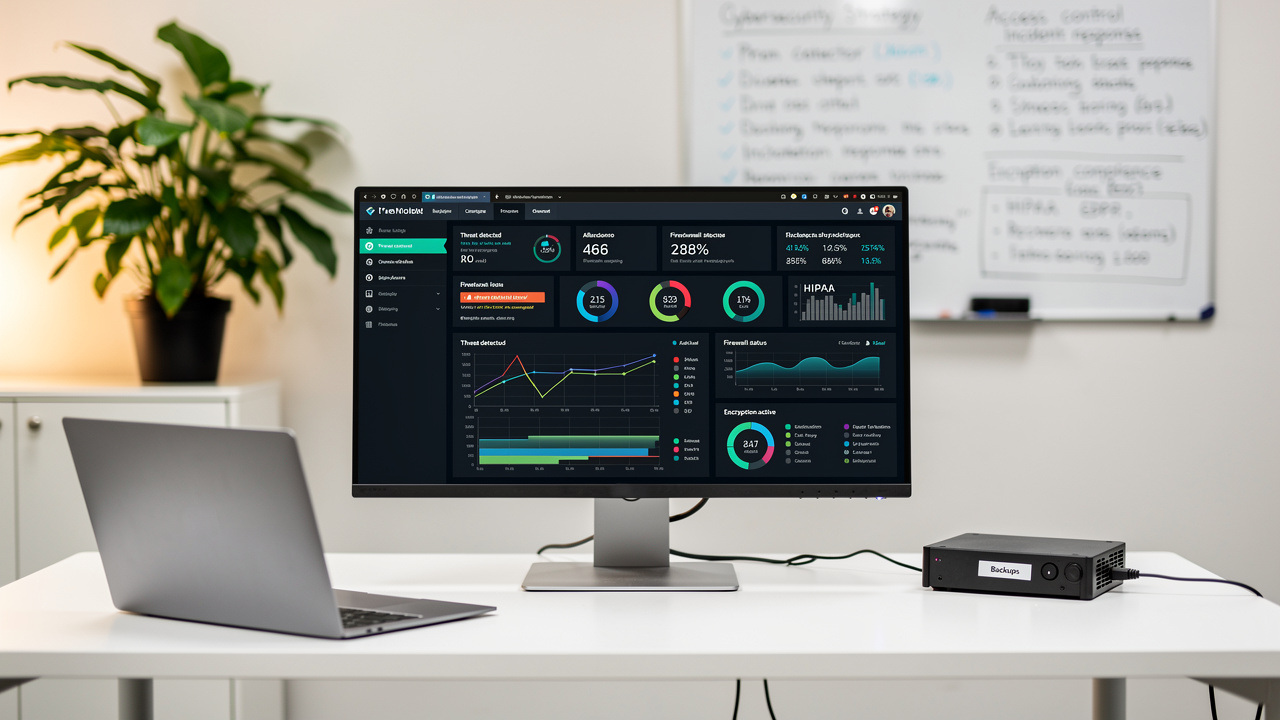
In healthcare, where patient trust and data integrity are paramount, cybersecurity is not just an IT issue; it's a fundamental business concern that demands immediate attention. For CFOs in healthcare, navigating the complexities of data protection is essential to prevent financial losses and maintain the organization's reputation.
What strategies can healthcare CFOs implement to fortify their organizations against these threats? Exploring robust data protection practices could mean the difference between survival and crisis in today’s information-driven landscape. Without a proactive approach to data protection, healthcare organizations risk not only financial ruin but also the trust of those they serve.
In an era where healthcare data breaches are on the rise, the stakes for CFOs have never been higher. When considering data security, one might ask what is a good way to protect your data in case your computer malfunctions, as it involves processes and strategies to safeguard sensitive information from loss, corruption, or unauthorized access. It encompasses a range of practices, including:
Application allowlisting is crucial; it stops malware and unauthorized software from running, which helps reduce vulnerabilities and the attack surface. Key features of application allowlisting include:
Safeguarding information is vital because it helps prevent costly breaches, which can lead to financial losses, reputational harm, and legal consequences. Can you imagine the impact of a $4.88 million breach on your organization? In 2026, this is the projected cost worldwide, with healthcare institutions often facing expenses that exceed $10 million due to strict regulatory frameworks. As the regulatory environment continues to evolve, organizations must adapt their information security measures, including application allowlisting, to ensure compliance with standards such as HIPAA, PCI-DSS, and GDPR, while effectively reducing threats.
Failure to comply with these regulations can lead to crippling financial penalties and loss of trust. In today's information-driven environment, comprehending and applying effective information protection strategies is crucial for answering the question of what is a good way to protect your data in case your computer malfunctions, while also preserving operational integrity and cultivating customer trust. Without robust data security measures, organizations risk not only financial ruin but also the very trust of their patients.

In an era where data breaches can cripple organizations, understanding the origins of computer malfunctions is crucial for safeguarding information integrity. Computer malfunctions can stem from various sources, including:
Each poses significant risks to information availability. For example, a hard drive failure can lead to the permanent loss of critical business data. In contrast, ransomware attacks can lock files, making them inaccessible until a ransom is paid. As of 2026, ransomware attacks have surged, costing organizations an average of $1.85 million per incident, a stark reminder of the financial risks at stake. Particularly in the manufacturing sector, ransomware has wreaked havoc, with 44% of computers compromised and an average breach costing $5.56 million.
Furthermore, hardware failures can lead to substantial financial challenges, as companies may incur downtime expenses averaging $53,000 per hour due to system outages. Understanding these risks is key to developing effective security strategies, including what is a good way to protect your data in case your computer malfunctions against hardware failures and cyber threats. Investing in robust cybersecurity measures is not just a precaution; it's a necessity to ensure the survival and success of healthcare organizations in today's digital landscape.

In an era where cyber threats loom larger than ever, the healthcare sector must prioritize robust cybersecurity measures to protect sensitive patient information. Understanding what is a good way to protect your data in case your computer malfunctions is essential for effective information protection strategies. What are the most effective strategies for protecting your information? To ensure data safety, it's important to consider what is a good way to protect your data in case your computer malfunctions, which includes:
Imagine losing critical data; frequent backups serve as your safety net, and encryption acts as a shield against unauthorized access, prompting the question: what is a good way to protect your data in case your computer malfunctions? Have you considered how regular security audits and employee training can foster a culture of security awareness in your organization?
The 3-2-1 backup strategy, which involves keeping three copies of your data on two different media types and storing one offsite, is an example of what is a good way to protect your data in case your computer malfunctions, as it significantly reduces the risk of data loss. Organizations often ask, what is a good way to protect your data in case your computer malfunctions, while also enhancing their reputation and trustworthiness in the eyes of patients and stakeholders. What if you could safeguard your data against ransomware? Immutable backups are your answer, as they can't be altered once set up, making it tough for attackers to erase or encrypt your information during an attack. Did you know that 72% of companies report an increase in cyber threats? This makes establishing strong security strategies more critical than ever.
At Cyber Solutions, we emphasize the importance of thorough vulnerability assessments and gap analysis to pinpoint compliance gaps and weaknesses, helping you align with HIPAA standards. We recommend creating tailored policies and procedures that cover administrative, physical, and technical safeguards to enhance your security posture. Our rapid incident response capabilities were put to the test when we restored 4,500 endpoints after a ransomware attack, showcasing the vital role of specialized expertise in keeping healthcare operations running smoothly and bolstering cybersecurity measures.

In an era where data breaches can cripple healthcare organizations, understanding the landscape of cybersecurity regulations is paramount. Adherence to data protection regulations such as GDPR, HIPAA, and PCI-DSS is essential for entities managing sensitive information. These regulations mandate specific security measures and impose significant penalties for non-compliance. For instance, GDPR requires organizations to adopt suitable technical and organizational measures to ensure a level of security proportional to the threat. Non-compliance can lead to fines reaching up to 4% of annual global turnover or €20 million, whichever is higher, alongside reputational damage that can be detrimental to business operations.
In the healthcare sector, HIPAA violations can result in penalties ranging from $100 to $50,000 per violation, with a maximum annual penalty of $1.5 million. The 2026 updates to HIPAA will further tighten compliance requirements, mandating annual security evaluations and comprehensive documentation of security measures. Organizations that fail to meet these standards may encounter increased scrutiny and enforcement actions from regulatory bodies.
Consider this: PCI-DSS compliance is not just a checkbox for entities handling credit card transactions; it’s a critical component of maintaining customer trust and operational integrity. Non-compliance can lead to fines ranging from $5,000 to $100,000 per month, depending on the severity of the violation and the volume of transactions processed. Successful navigation of these requirements is exemplified by organizations that have implemented robust security frameworks, demonstrating that proactive compliance not only mitigates risks but also enhances customer trust.
As compliance officers emphasize, weaving regulatory considerations into your information safeguarding strategies isn’t merely about legal obligations; it’s a strategic necessity for success. Organizations must ensure that their data protection measures align with legal standards while effectively safeguarding sensitive information.

In an era where cyber threats loom large, protecting data is not merely a technical necessity; it’s a critical organizational imperative. Organizations can significantly enhance their resilience against data loss by prioritizing:
The strategies outlined emphasize the importance of implementing robust data protection measures to mitigate risks associated with hardware failures, software bugs, and cyberattacks. Throughout the discussion, key insights have been highlighted, including the financial implications of data breaches, the necessity of compliance with regulations like HIPAA and GDPR, and the effectiveness of application allowlisting in safeguarding sensitive information. The adoption of the 3-2-1 backup strategy and immutable backups emerges as a proactive approach to ensuring data integrity and availability, underscoring that effective data protection is not merely a reactive measure but a strategic investment in operational continuity and customer trust. Organizations that fail to act risk not only their data but also their operational integrity and stakeholder trust. Implementing comprehensive data protection strategies not only safeguards sensitive information but also fosters a culture of security awareness among employees. By embracing these best practices and understanding the regulatory landscape, organizations can navigate the complexities of data protection while securing their operational integrity and maintaining the trust of their stakeholders. Organizations that prioritize data protection will not only safeguard their sensitive information but also build a resilient foundation for future growth and trust.
What is data protection and why is it important?
Data protection refers to processes and strategies designed to safeguard sensitive information from loss, corruption, or unauthorized access. It is important because it helps prevent costly data breaches that can result in financial losses, reputational harm, and legal consequences.
What are some key practices involved in data protection?
Key practices in data protection include information encryption, regular backups, access controls, and application allowlisting.
What is application allowlisting and why is it crucial?
Application allowlisting is a security measure that prevents malware and unauthorized software from running on a system. It is crucial because it helps reduce vulnerabilities and the attack surface, enhancing overall data security.
What are the key features of application allowlisting?
Key features of application allowlisting include continuous monitoring of application activity, centralized management of allowlists, and tailored application policies to fit organizational needs.
What are the potential financial impacts of data breaches in healthcare?
The projected cost of a data breach in 2026 is estimated to be $4.88 million worldwide, with healthcare institutions often facing expenses that exceed $10 million due to strict regulatory frameworks.
How do regulatory frameworks affect data protection strategies?
Organizations must adapt their information security measures to comply with evolving regulations such as HIPAA, PCI-DSS, and GDPR. Failure to comply can lead to significant financial penalties and loss of trust.
What risks do organizations face without robust data security measures?
Organizations without robust data security measures risk financial ruin and a loss of trust from their patients and customers, which can have long-term negative impacts on their operations.
Managed IT Service Provider | Cyber Security | Incident Response | Compliance As A Service | Hosted Phone Service | Managed Security Service Provider | AI As A Service