


In an era where cyber threats are not just a possibility but a reality, the FTC Safeguards Rule stands as a vital framework for financial institutions committed to safeguarding sensitive customer information. This regulation mandates comprehensive cybersecurity measures and emphasizes compliance to foster consumer trust and mitigate risks.
Organizations face significant challenges in deciphering the complexities of compliance with the FTC Safeguards Rule, and failure to comply can lead to severe penalties and loss of consumer trust. Navigating these complexities is not just a regulatory obligation; it’s essential for maintaining consumer trust and ensuring the longevity of financial institutions in a digital age.
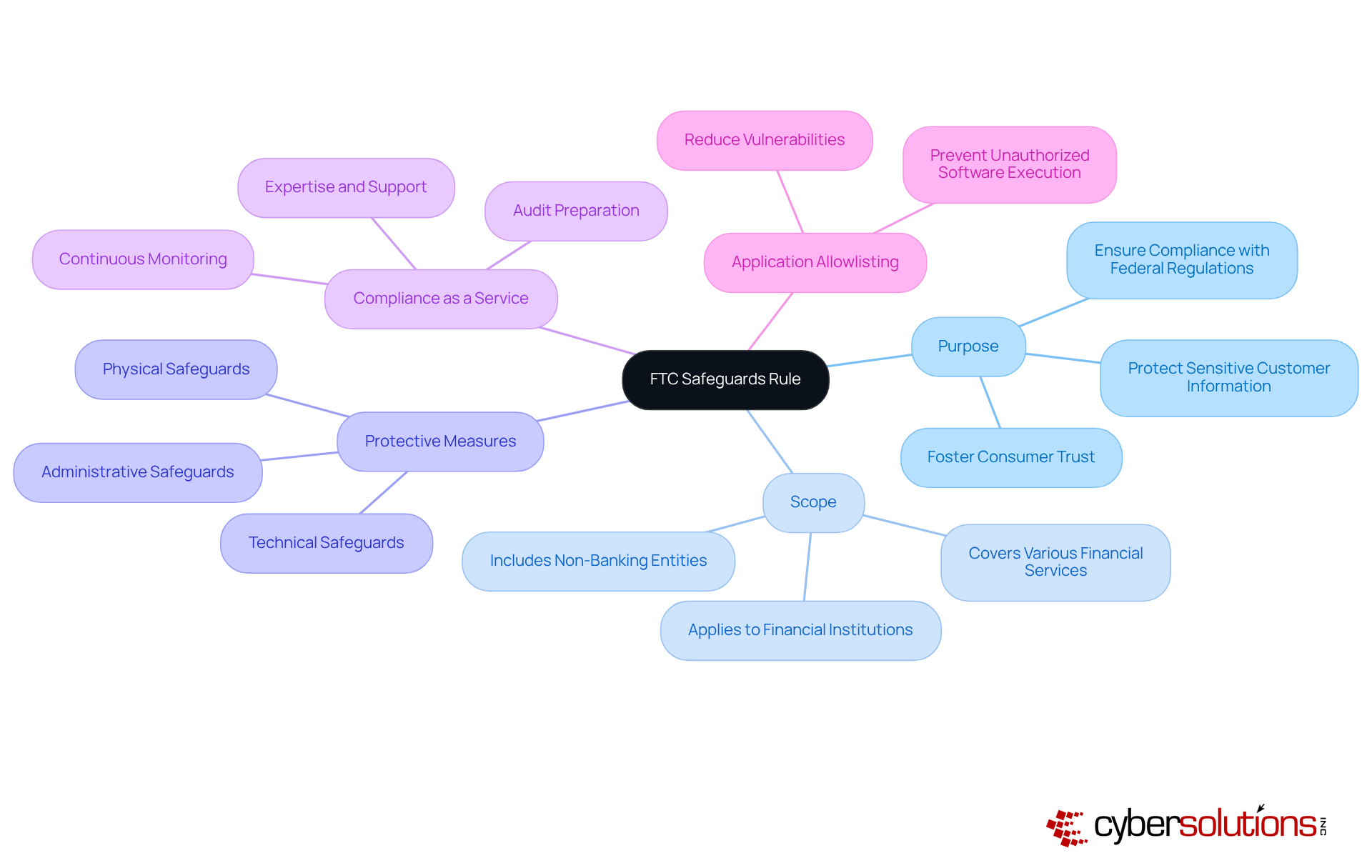
In an era where cyber threats loom large, the importance of robust cybersecurity measures in healthcare cannot be overstated. The requirements of the FTC Safeguards Rule mandate that financial institutions establish and maintain a comprehensive information protection program to secure customer information. This regulation applies to a diverse array of entities, including banks, credit unions, and other financial service providers. Its primary objective is to protect sensitive customer information from unauthorized access and breaches, thereby fostering consumer trust and ensuring compliance with federal regulations.
This regulation encompasses various protective measures tailored to the unique risks each institution faces, including:
Recent updates to the Safeguards Rule have further underscored the necessity for strong protective practices, reflecting the evolving landscape of data threats. Financial institutions are under constant threat from cyberattacks, risking sensitive customer data and their own reputations. Compliance with these guidelines not only mitigates risks but also enhances their credibility in the eyes of consumers, as evidenced by improved trust statistics following the implementation of stringent security measures.
Application allowlisting plays a critical role in this context, serving as a proactive measure to prevent unauthorized software from executing, thereby reducing vulnerabilities and ensuring adherence to FTC Safeguards Rule requirements, HIPAA, PCI-DSS, and GDPR. Additionally, Compliance as a Service (CaaS) offers financial institutions the expertise and support needed to navigate these requirements effectively, providing audit preparation and continuous monitoring to maintain compliance. As Juliana Gruenwald Henderson from the Office of Public Affairs stated, "The FTC strengthens security safeguards for consumer financial information following widespread data breaches," underscoring the critical importance of these regulations. Ultimately, the commitment to stringent cybersecurity practices is not just about compliance; it's about safeguarding the trust that consumers place in financial institutions.
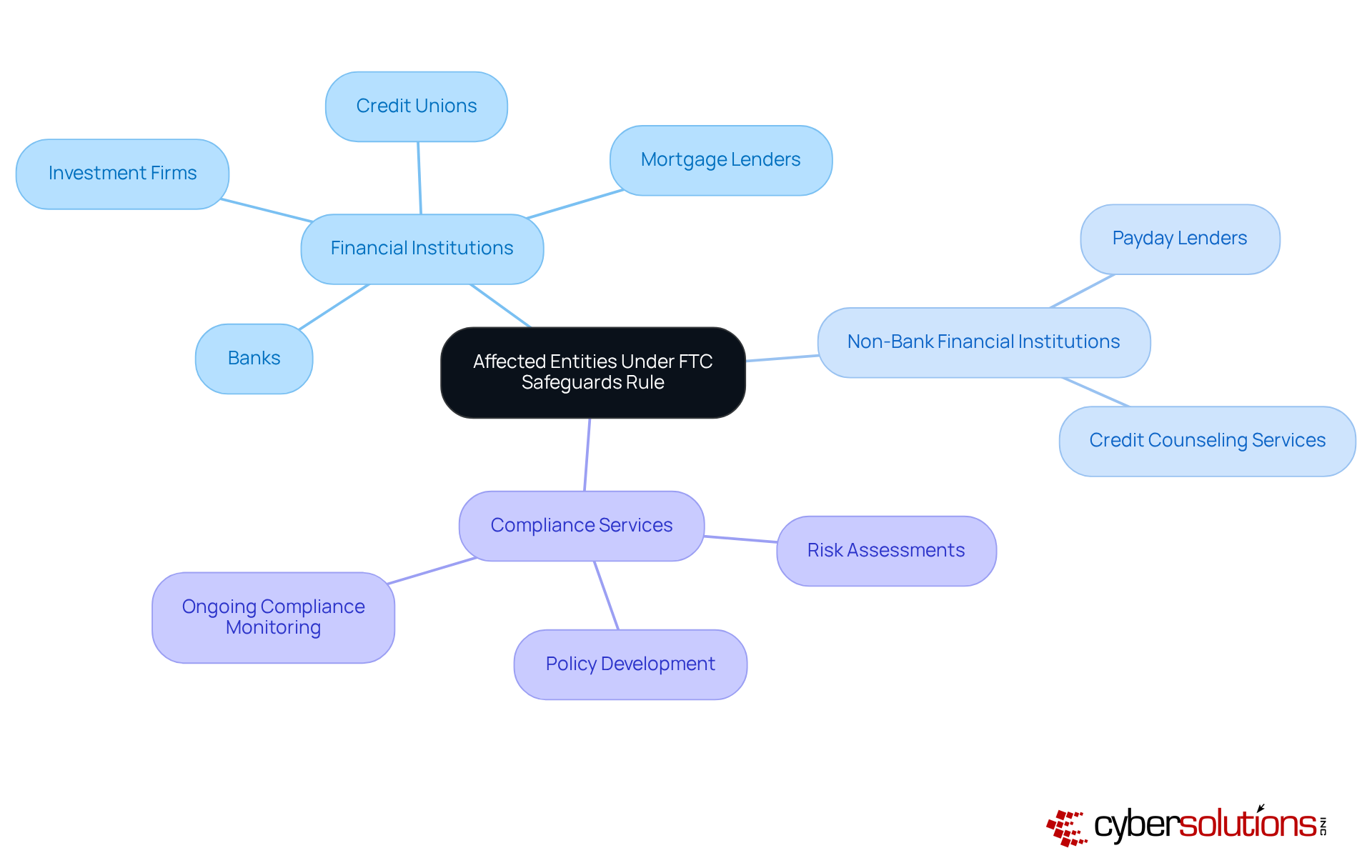
In an era where cybersecurity threats loom large, it is essential for financial institutions to understand the FTC safeguards rule requirements. This rule encompasses a wide range of entities, including banks, credit unions, mortgage lenders, and investment firms. Are you aware of the potential penalties for non-compliance? Any organization offering financial products or services to consumers falls under these regulations, extending beyond traditional banks to include non-bank financial institutions like payday lenders and credit counseling services. Organizations must evaluate their operations to determine if they fall under the FTC's jurisdiction. Non-adherence to the FTC safeguards rule requirements can lead to hefty fines and damage your organization's reputation, making it crucial to understand your classification and the specific regulatory requirements that apply to you.
Financial institutions must report breaches involving unencrypted data of 500 or more consumers, underscoring the importance of compliance. A strong Written Information Security Plan (WISP), tailored to the size and complexity of your business, is vital for meeting these regulatory demands. With Cyber Solutions' Compliance As A Service (CaaS), you can streamline this process. CaaS offers comprehensive solutions, including:
Understanding your classification and the specific FTC safeguards rule requirements is vital for your organization, particularly given the exemption for financial institutions with fewer than 5,000 total contact records. With CaaS, businesses can also benefit from audit preparation support, ensuring they are well-equipped to meet regulatory standards. With Cyber Solutions' Compliance As A Service, you can not only meet regulatory standards but also protect your organization from potential risks.
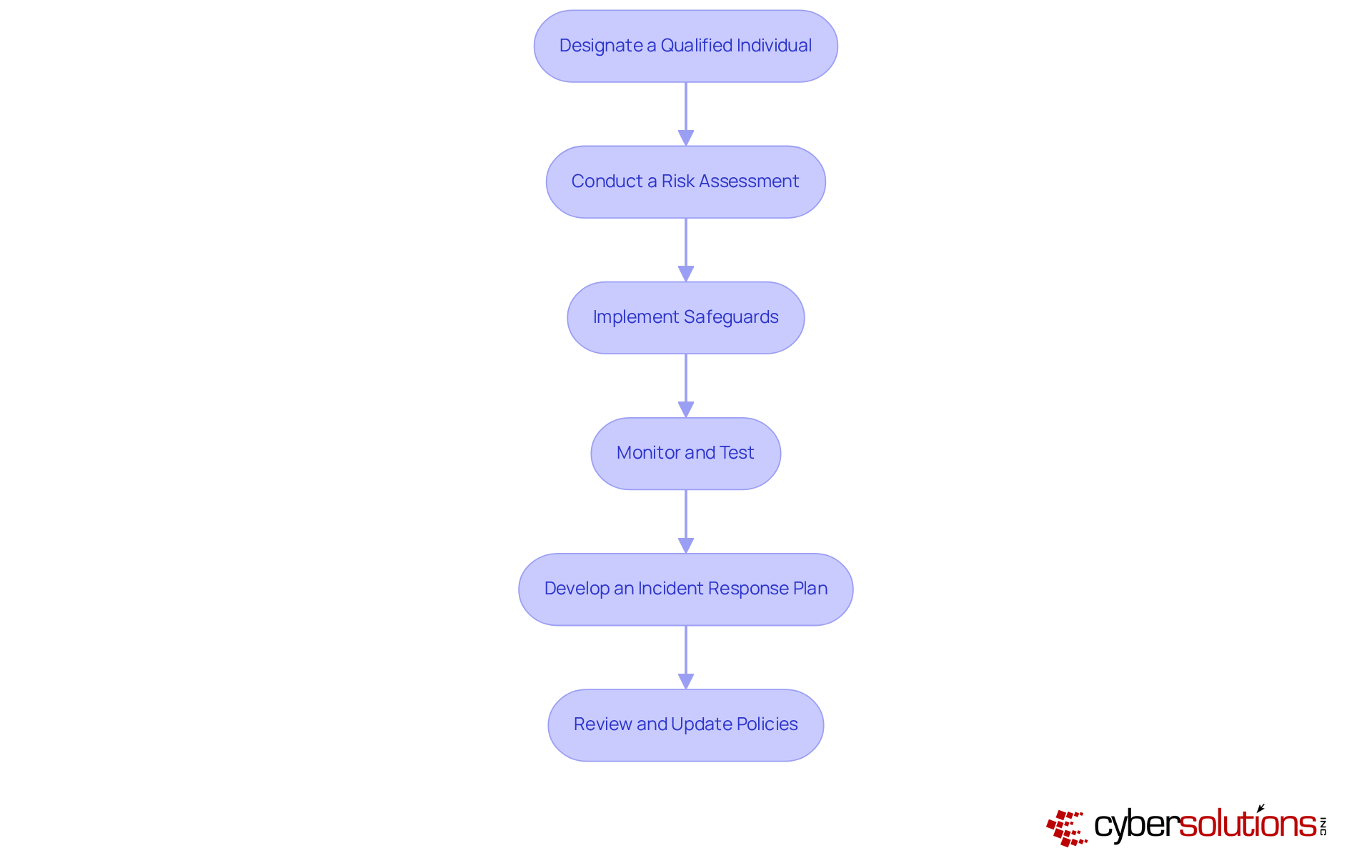
In an era where cyber threats loom larger than ever, the healthcare sector stands at a critical crossroads, facing unprecedented challenges in safeguarding sensitive information. To comply with the FTC Safeguards Rule, entities must undertake several essential actions:
By embracing these essential actions, organizations not only comply with the FTC Safeguards Rule requirements but also strengthen their defenses against the ever-evolving landscape of cyber threats.
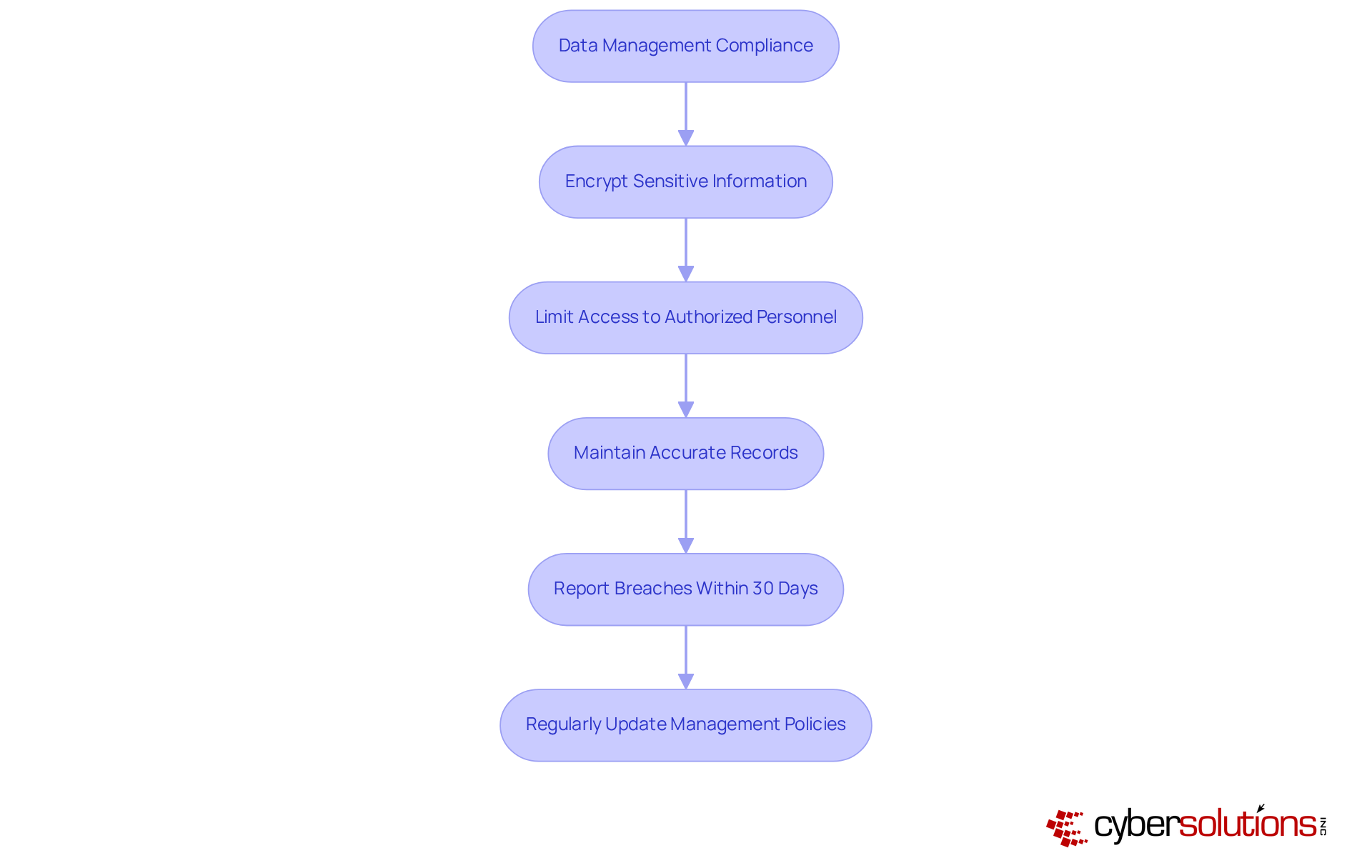
In an era where data breaches are increasingly common, the importance of cybersecurity in healthcare cannot be overstated. Under the FTC Safeguards Rule requirements, organizations must adopt stringent information management practices to safeguard customer data. This includes the critical need to encrypt sensitive information, both during transmission and when stored, to mitigate risks of unauthorized access. Access to this information must be limited to authorized personnel only, and organizations are required to maintain accurate records of their information handling practices.
One of the most crucial aspects of compliance is the obligation to report information breaches. Organizations must report any incidents involving unencrypted customer information that affects 500 or more individuals to the FTC within 30 days of discovery. This requirement underscores the necessity of having a robust incident response plan in place to address potential breaches swiftly and effectively.
Moreover, organizations must regularly evaluate and update their management policies to align with evolving regulations and best practices. The recent amendments to the Safeguards Rule, which lowered the reporting threshold from 1,000 to 500 consumers, are expected to increase the number of reported incidents in compliance with the FTC Safeguards Rule requirements. This change emphasizes the need for vigilance in data protection efforts. Without a proactive approach to compliance, organizations risk not only financial penalties but also the trust of their patients and stakeholders.
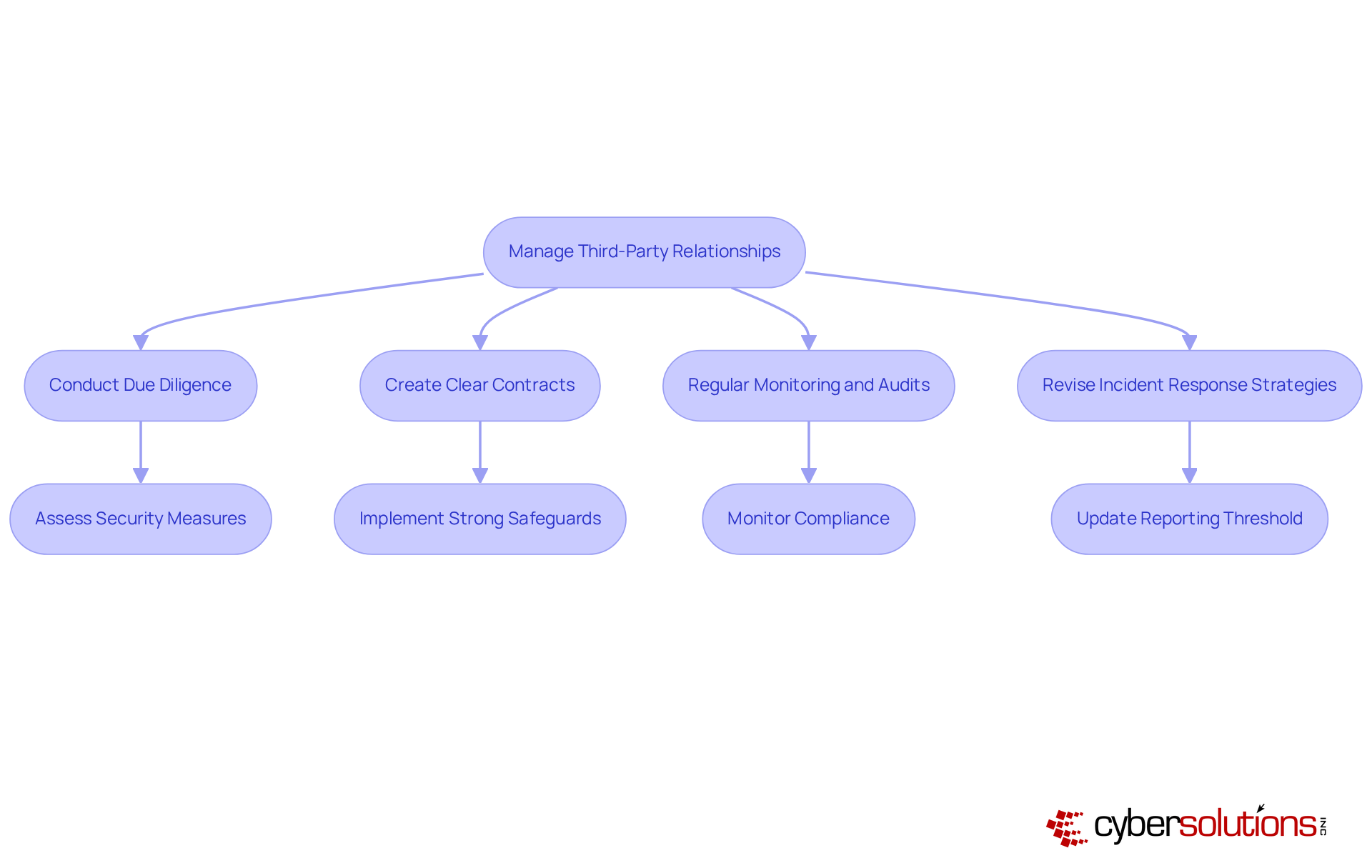
In an era where data breaches are rampant, ensuring compliance with the FTC Safeguards Rule requirements is not just a regulatory necessity but a critical business imperative. To guarantee adherence, organizations must meticulously manage their relationships with third-party service providers. It begins with thorough due diligence before engaging vendors, assessing their security measures and compliance history. Creating clear contractual responsibilities regarding information protection and safety measures is essential, ensuring that third-party providers implement strong safeguards to protect customer details. It's crucial to regularly monitor and audit these vendors to ensure they stick to the rules and reduce risks. By viewing service providers as partners in compliance, businesses can significantly enhance their overall security posture and lessen the chances of data breaches.
Did you know that approximately 70% of organizations are now conducting due diligence on their service providers? This highlights a growing awareness of vendor safety in regulatory efforts. Efficient due diligence methods for third-party vendors must comply with the FTC Safeguards Rule requirements by evaluating their encryption capabilities, incident response plans, and adherence to protection standards. For instance, financial organizations frequently carry out thorough vendor evaluations, which may include:
This proactive approach not only protects sensitive information but also fosters a culture of accountability and transparency in vendor relationships. Moreover, entities will need to revise their incident response strategies to reflect the new threshold for reporting data breaches, which has been decreased from 1,000 consumers to 500, ensuring they are prepared for changing compliance requirements. Cyber Solutions' Incident Response services exemplify the importance of rapid action and specialized expertise, enabling organizations to minimize damage and recover effectively from incidents, thereby enhancing their overall cybersecurity strategy. By prioritizing vendor relationships and compliance, organizations can not only safeguard sensitive data but also fortify their reputation in an increasingly scrutinized industry.
In an era where cyber threats are increasingly sophisticated, the FTC Safeguards Rule stands as a crucial framework for financial institutions. Compliance with this regulation is not just a legal obligation. It’s essential for fostering consumer trust and safeguarding the integrity of financial operations. By understanding the scope and requirements of the Safeguards Rule, organizations can better navigate the complexities of cybersecurity.
Key points highlighted throughout the article include:
Additionally, the role of third-party service providers has been emphasized, showcasing how diligent vendor management can significantly enhance compliance and security efforts. The recent changes to reporting thresholds further underscore the urgency for organizations to stay vigilant and proactive in their cybersecurity strategies.
In conclusion, the commitment to adhering to the FTC Safeguards Rule is a vital step toward not only legal compliance but also the protection of customer trust and organizational reputation. Failure to adapt could lead to significant reputational damage and loss of consumer trust. By prioritizing cybersecurity, organizations not only comply with regulations but also build a resilient foundation for future growth and trust.
What is the purpose of the FTC Safeguards Rule?
The FTC Safeguards Rule aims to mandate financial institutions to establish and maintain a comprehensive information protection program to secure customer information, thereby protecting sensitive data from unauthorized access and breaches.
Which entities are affected by the FTC Safeguards Rule?
The rule applies to a diverse range of entities, including banks, credit unions, mortgage lenders, investment firms, payday lenders, and credit counseling services, essentially any organization offering financial products or services to consumers.
What are the key components of the FTC Safeguards Rule?
The key components include administrative safeguards, technical safeguards, and physical safeguards, all tailored to address the unique risks faced by each institution.
What are the consequences of non-compliance with the FTC Safeguards Rule?
Non-compliance can lead to hefty fines and damage to an organization's reputation, making it crucial for entities to understand their classification and the specific regulatory requirements that apply to them.
What is the importance of a Written Information Security Plan (WISP)?
A strong WISP is vital for meeting regulatory demands, particularly in ensuring compliance with the FTC Safeguards Rule and protecting sensitive consumer information.
What role does Compliance as a Service (CaaS) play in meeting these requirements?
CaaS provides financial institutions with expertise and support in navigating compliance requirements, offering services such as risk assessments, policy development, ongoing compliance monitoring, and audit preparation.
What should financial institutions do in the event of a data breach?
Financial institutions must report breaches involving unencrypted data of 500 or more consumers, highlighting the importance of compliance with the FTC Safeguards Rule.
Are there any exemptions under the FTC Safeguards Rule?
Yes, financial institutions with fewer than 5,000 total contact records are exempt from certain requirements of the FTC Safeguards Rule.
Managed IT Service Provider | Cyber Security | Incident Response | Compliance As A Service | Hosted Phone Service | Managed Security Service Provider | AI As A Service