
Cybersecurity Trends and Insights

Implementing Multi-Factor Authentication: A Step-by-Step Guide for Leaders

Introduction

In today’s digital landscape, cybersecurity has become a critical concern, especially in the healthcare sector. With cyber threats on the rise, organizations must prioritize robust security measures to protect sensitive patient data. Multi-Factor Authentication (MFA) stands out as a vital safeguard, enhancing security by requiring multiple forms of verification. This not only fortifies defenses but also meets regulatory demands, making MFA a strategic necessity for healthcare organizations.

Despite its proven effectiveness-reportedly reducing unauthorized access risks by an impressive 99.9%-misconceptions and resistance to MFA implementation remain prevalent. Leaders in healthcare must confront these challenges head-on. How can they successfully integrate MFA into their organizations? What steps can they take to ensure robust protection against the ever-evolving landscape of cyber risks?

By addressing these questions, organizations can navigate the complexities of cybersecurity and safeguard their operations. Embracing MFA is not just about compliance; it’s about fostering trust and ensuring the safety of patient information in an increasingly vulnerable environment.

Understand Multi-Factor Authentication and Its Importance

Multi-Factor Authentication (MFA) stands as a crucial line of defense in today’s cybersecurity landscape, particularly for healthcare organizations facing escalating threats. By requiring users to provide two or more verification factors - such as a password, a smartphone, or biometric data - MFA significantly enhances security beyond the traditional username and password approach. In an era where cyber threats are rampant, the necessity of MFA cannot be overstated.

Statistics reveal that MFA can reduce the risk of unauthorized access by an astounding 99.9%. This remarkable figure underscores the effectiveness of implementing multi-factor authentication, which not only fortifies defenses against cyberattacks but also aligns with regulatory requirements essential for safeguarding sensitive data. As organizations strive to comply with industry regulations, implementing multi-factor authentication becomes a strategic initiative rather than just a technical enhancement.

Real-world examples further illustrate the impact of MFA adoption, with many organizations reporting account compromise rates plummeting to as low as 0.1%. Given that financial motivations drive 95% of reported breaches, the integration of MFA is not just beneficial; it is essential for maintaining organizational integrity and protecting against unauthorized access.

In conclusion, as the landscape of cyber threats continues to evolve, embracing MFA is a proactive step that healthcare organizations must take to ensure robust security and compliance.
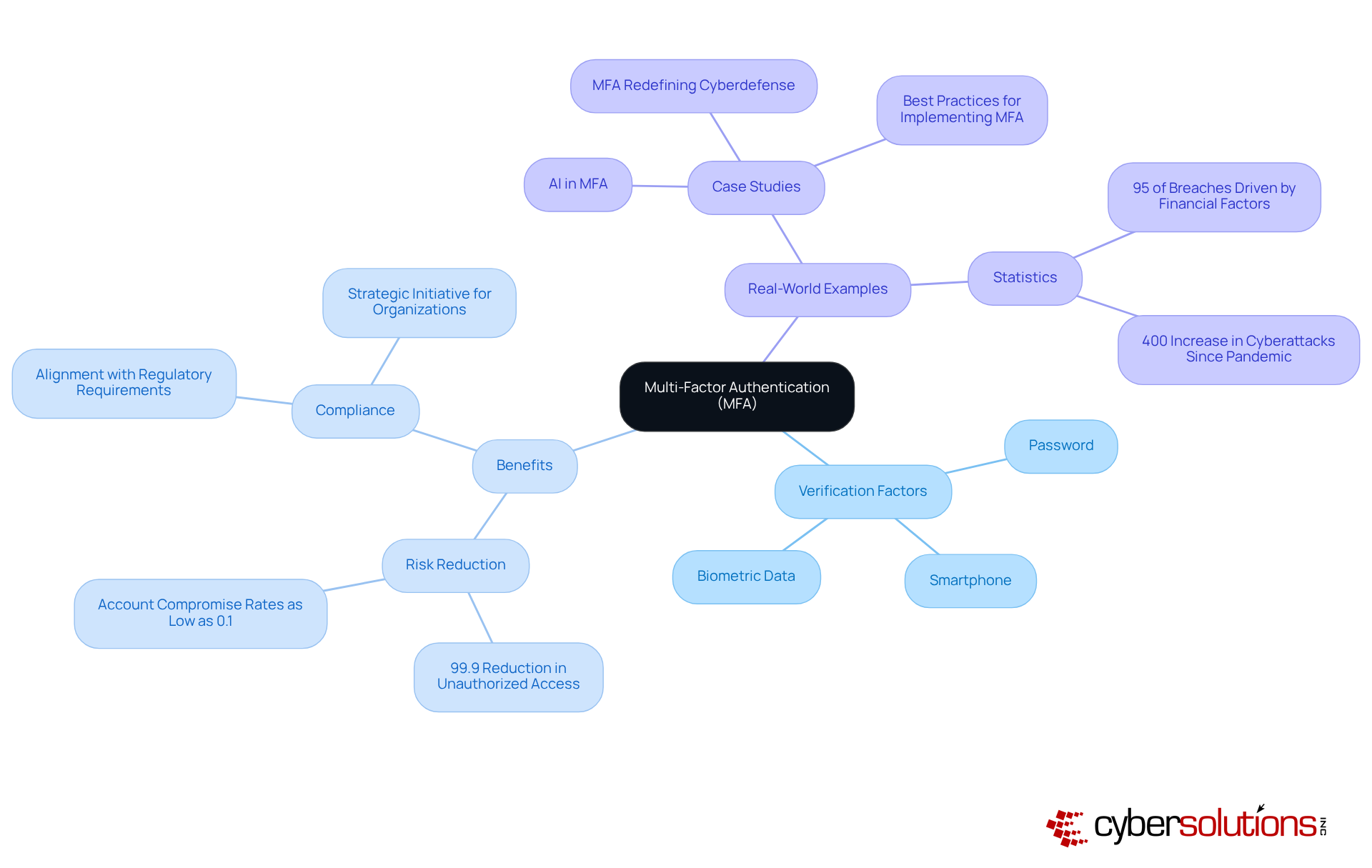
The center represents MFA, and the branches show its components and benefits. Each branch helps you see how MFA works and why it's crucial for security.

Follow Steps to Implement MFA in Your Organization


Assess Your Current Security Infrastructure: Start by evaluating your existing authentication methods. Identify vulnerabilities that could expose your organization to threats. Understanding the benefits of implementing multi factor authentication is crucial in fortifying your defenses.

Choose the Right MFA Solution: Research and select an MFA solution that aligns with your organization's specific needs. Consider factors such as user experience, integration capabilities, and cost-effectiveness. The right choice for enhancing your security posture is implementing multi factor authentication.

Develop a Deployment Plan: Create a comprehensive plan detailing how MFA will be implemented. Outline timelines, assign responsibilities, and establish communication strategies to keep everyone informed about the upcoming changes. A well-structured plan is key to implementing multi factor authentication for a smooth rollout.

Educate Employees: Conduct training sessions to inform employees about the importance of MFA and how to navigate the new system. Address any concerns they may have to foster acceptance and ensure a seamless transition. Empowering your team is essential for implementing multi factor authentication successfully.

Implement MFA: Begin the rollout according to your deployment plan. Start with a pilot group to test the system before full-scale implementation. This approach of implementing multi factor authentication allows you to identify and resolve any issues early on, ensuring a more effective launch.

Monitor and Adjust: After implementation, continuously monitor the system for any issues or feedback. Be prepared to make adjustments to enhance user experience and the overall effectiveness of your security measures through implementing multi factor authentication. Staying proactive is vital in today’s evolving threat landscape.

Review and Update Policies: Regularly review your MFA policies and update them as necessary to adapt to emerging threats and technological advancements. Keeping your policies current is essential for maintaining robust security.

Each box represents a crucial step in the MFA implementation process. Follow the arrows to see how each step connects and leads to the next, ensuring a smooth transition to enhanced security.

Address Common Concerns and Misconceptions About MFA

  1. Myth: MFA is Too Complicated: Many believe that multi-factor authentication (MFA) complicates the login process unnecessarily. However, most solutions for enhancing security are designed to be user-friendly while implementing multi-factor authentication, ensuring that access is not hindered. As Mary Marshall points out, "You can make multi-factor authentication easy for your users," highlighting that organizations can implement intuitive systems that streamline the user experience.

  2. Myth: MFA is Expensive: While there may be initial costs tied to implementing MFA, the long-term savings from preventing data breaches far exceed these expenses. The average cost of a data breach has soared to $4.88 million, underscoring the potential savings from averting such incidents. Organizations that adopt MFA have reported a dramatic decrease in account compromise rates to just 0.1%, showcasing MFA's effectiveness in protecting sensitive data and mitigating the financial repercussions of breaches.

  3. Myth: MFA is Only Necessary for High-Risk Accounts: Cybercriminals target all accounts, regardless of their perceived risk level. Therefore, implementing multi-factor authentication across the organization is essential to ensure comprehensive protection. It's crucial to recognize that every account is a potential target.

  4. Myth: SMS-Based MFA is Sufficient: While SMS-based MFA offers better security than having no MFA at all, it remains vulnerable to interception through tactics like SIM-jacking. As noted, "Authenticator apps, hardware tokens, and biometric verification are more secure than SMS codes, which can be intercepted." Organizations must bolster their defenses against evolving threats by adopting more secure alternatives, such as implementing multi-factor authentication.

  5. Myth: MFA Slows Down Productivity: Some employees may perceive that MFA disrupts their workflow. However, with proper training and streamlined processes, MFA can be seamlessly integrated into daily operations without causing significant delays. Organizations that prioritize user education and provide resources can foster a culture where protective measures like MFA are embraced rather than resisted.

The central node represents the overall topic of MFA myths. Each branch represents a specific myth, and the sub-branches provide clarifications or facts that debunk these myths. This layout helps you see how each misconception is addressed.

Explore Tools and Solutions for Effective MFA Implementation

Authenticator Apps: In today's digital landscape, applications like Google Authenticator and Authy are essential for generating time-based one-time passwords (TOTPs), significantly bolstering security. These user-friendly apps are widely supported across various platforms, making them a favored choice among organizations. With a staggering 95% of MFA users opting for software solutions, authenticator apps emerge as a practical option for many businesses. Importantly, 62% of breaches could have been averted through implementing multi-factor authentication, highlighting the critical role these apps play in protecting sensitive information.

Hardware Tokens: For organizations prioritizing robust security measures, devices like YubiKeys offer a physical form of authentication that is exceptionally secure. These hardware tokens provide an additional layer of defense against unauthorized access, yet only 18% of organizations currently utilize them. This statistic suggests a significant opportunity for improvement in protective measures. Furthermore, with 81% of hacking-related breaches involving stolen or weak passwords, the adoption of hardware tokens is vital for a comprehensive protection strategy.

Biometric Authentication: Biometric solutions, utilizing fingerprint or facial recognition technology, present a convenient and secure method for individual authentication. This approach is gaining traction, especially in mobile devices, with 36% of consumers expressing a willingness to incorporate biometrics into their MFA strategy. As organizations strive to enhance client experience while ensuring safety, biometrics offer an appealing choice. However, 40% of entities report resistance from individuals as a barrier to MFA adoption, underscoring the need for effective communication and training to foster acceptance.

SMS and Email Verification: While not the most secure option, SMS and email verification can serve as secondary authentication methods for less sensitive accounts. With 66% of organizations recognizing the need for biometrics in authentication, incorporating SMS and email as additional options can enhance protection without overwhelming users. Notably, 74% of IT decision-makers plan on implementing multi-factor authentication in the coming year, reflecting a growing awareness of its importance in bolstering security.

Adaptive MFA: This advanced solution tailors authentication requirements based on user behavior and risk levels, striking a balance between security and user experience. Organizations should consider implementing multi-factor authentication for high-risk transactions, as it allows for dynamic adjustments to security protocols, thereby enhancing overall protection against evolving threats. By incorporating insights from case studies on MFA implementation challenges, organizations can glean valuable lessons on overcoming common obstacles and ensuring successful adoption.
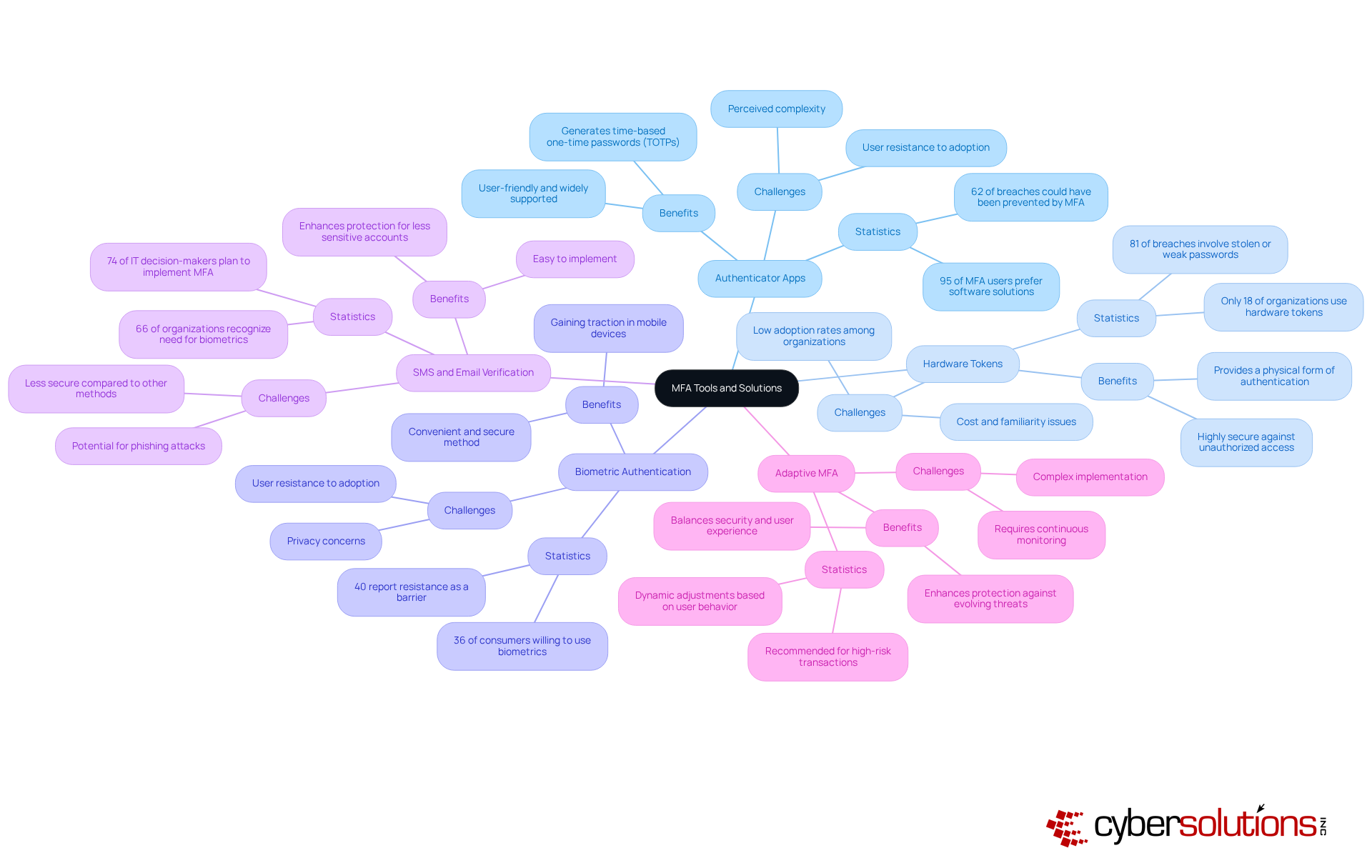
The central node represents the overall topic of MFA tools. Each branch shows a different type of authentication method, with sub-branches providing additional details like statistics and benefits. This layout helps you see how each method contributes to overall security.

Conclusion

Implementing Multi-Factor Authentication (MFA) is not merely a technical upgrade; it stands as a crucial strategy for organizations aiming to bolster their cybersecurity posture. In a landscape where cyber threats are increasingly sophisticated, requiring multiple forms of verification significantly mitigates the risk of unauthorized access. This makes MFA an essential component of modern security frameworks, particularly in sectors like healthcare, where sensitive data is at stake.

The article outlines critical steps for successfully integrating MFA into an organization. It begins with assessing current security measures and extends to educating employees about the importance of MFA. Key points include:

  1. Selecting the right MFA solution
  2. Developing a structured deployment plan
  3. Addressing common misconceptions that often hinder adoption

Statistics underscore the effectiveness of MFA, such as a staggering 99.9% reduction in unauthorized access risk, reinforcing the necessity of this approach.

As cyber threats continue to evolve, adopting multi-factor authentication emerges as a proactive measure that organizations cannot afford to overlook. Embracing MFA not only protects against potential breaches but also fosters a culture of security awareness among employees. Leaders are urged to take immediate action by implementing these strategies and tools, ensuring their organizations remain resilient against the ever-changing landscape of cyber threats.

Frequently Asked Questions

What is Multi-Factor Authentication (MFA)?

Multi-Factor Authentication (MFA) is a security measure that requires users to provide two or more verification factors, such as a password, a smartphone, or biometric data, to enhance security beyond just a username and password.

Why is MFA important for healthcare organizations?

MFA is crucial for healthcare organizations as it serves as a defense against escalating cyber threats, significantly enhancing security and helping to comply with regulatory requirements for safeguarding sensitive data.

How effective is MFA in reducing unauthorized access?

Statistics show that MFA can reduce the risk of unauthorized access by an astounding 99.9%, highlighting its effectiveness in fortifying defenses against cyberattacks.

What impact has MFA adoption had on account compromise rates?

Many organizations that have adopted MFA report account compromise rates dropping to as low as 0.1%, demonstrating the significant protective benefits of implementing this security measure.

What motivates the majority of reported breaches?

Financial motivations drive 95% of reported breaches, making the integration of MFA essential for maintaining organizational integrity and protecting against unauthorized access.

How does MFA align with regulatory requirements?

Implementing MFA aligns with regulatory requirements essential for safeguarding sensitive data, making it a strategic initiative for organizations striving to comply with industry regulations.

What should organizations do to enhance their cybersecurity?

Organizations, particularly in healthcare, should embrace MFA as a proactive step to ensure robust security and compliance in the evolving landscape of cyber threats.

Recent Posts
5 Best Practices for Achieving CMMC 1.0 Compliance Success
Implementing Multi-Factor Authentication: A Step-by-Step Guide for Leaders
What Is Endpoint Detection and Why It Matters for Your Business
What is an IR Plan? Importance, Components, and Evolution Explained
Master Email Security Training: 4 Steps for C-Suite Leaders
What is EDR? Understanding Its Role in Cybersecurity for Leaders
10 Benefits of Network Managed Service Providers for C-Suite Leaders
5 Steps to Build an Effective Cyber Response Plan for Leaders
7 Steps to Build a Successful Managed Service Provider Business
5 Best Practices to Manage Cloud Document Systems Effectively
Master Backup and Data Recovery: Best Practices for C-Suite Leaders
Understanding Hybrid Work Environment Meaning for C-Suite Leaders
What Is a Hybrid Work Environment? Key Features and Evolution Explained
CMMC Compliance Definition: What It Means for Your Organization
10 Essential Dark Web Scanners for C-Suite Leaders in 2025
Essential Best Practices for Your Software Disaster Recovery Plan
Understanding CMMC Compliance Meaning for Business Leaders
Master Fully Managed Cybersecurity: Key Steps for Executives
4 Best Practices for Effective Cyber Risk Assessments
Master Server Managed Services: Best Practices for C-Suite Leaders
Understanding the Benefits of Privileged Access Management for Leaders
Essential Email Safety Tips for C-Suite Leaders to Implement
Understanding NIST Guidelines for Passwords: Importance and Key Insights
Maximize ROI with Tailored IT Solutions and Managed Services
Achieve NIST 800 Compliance: 4 Essential Steps for Leaders
Compare 4 Dark Web Monitoring Companies: Features, Benefits, Pricing
Master the NIST Incident Response Process for Effective Security
Best Practices for Selecting Multi-Factor Authentication Tools
10 Managed Security Services Companies to Watch in 2025
Navigating DOD CMMC Requirements: Compare Compliance Impacts and Trends
Understanding Desktop-as-a-Service: Key Insights for Executives
Understanding Failover Systems: Importance and Key Configurations
10 Essential Strategies for Small Business Ransomware Protection
Understanding Managed Cybersecurity Solutions: Importance and Benefits
Understanding Secure Infrastructure Solutions: Importance and Key Features
How Vulnerability Scanning Works: A Guide for C-Suite Leaders
10 Essential Managed IT Solutions in Maine for Business Leaders
Master Cybersecurity and Compliance: Best Practices for C-Suite Leaders
Backup vs Disaster Recovery: Key Differences for C-Suite Leaders
Why Managed IT Compliance Services Are Essential for Business Success
Understanding Disaster Recovery Tiers: Importance and Key Features
4 Best Practices for Effective Backup and Continuity Strategies
Achieve CMMC 2.0 Level 2 Compliance: A Step-by-Step Approach
Create an Effective Acceptable Use Policy (AUP) in 7 Steps
10 Essential Strategies for Hybrid Work Security Success
10 Essential Cyber Security KPIs for Business Resilience
Comparing Cyber Security Pricing Models for Strategic Decision-Making
Understanding the Benefits of a Managed Service Provider for Leaders
7 Managed Security Services Cloud Solutions for Business Resilience
9 Key Benefits of Cyber Attack Simulation Exercises for Leaders
What an Acceptable Use Policy (AUP) Means for Your Organization
Why Use a Managed Service Provider for Strategic Business Success
10 Key Benefits of the Managed Service Provider Business Model
Understanding the Difference Between MSP and MSSP for Leaders
10 Managed Network IT Services to Boost Business Efficiency
What is a Managed Services Consultant and Why It Matters for Leaders
Understanding the Cost of Cybersecurity for Small Businesses
7 Top Data Center Managed Services Providers for C-Suite Leaders
10 Essential MSP IT Plans for C-Suite Leaders to Enhance Efficiency
Understanding Managed Services Benefits and Risks for Executives
10 Essential Security Services in Information Security for C-Suite Leaders
Create Your CMMC SSP: A Step-by-Step Guide for Leaders
Understanding CVE Funding Cuts: Impacts and Strategies for Leaders
IT Spending as a Percentage of Revenue by Industry: Key Insights
Understanding MSP Company Meaning: Role and Impact for Leaders
10 Examples of Managed Service Providers for C-Suite Leaders
10 Benefits of Defensive Artificial Intelligence for C-Suite Leaders
10 Key Insights on What Juice Jacking Means for Your Business
10 Insights on IT Spending as Percentage of Revenue for Leaders
10 Key Benefits of SSL DPI for C-Suite Leaders
10 Benefits of Managed Firewall Solutions for Business Security
10 Essential Emergency IT Support Services for C-Suite Leaders
Understanding Hourly IT Support Rates: Key Factors and Calculations
10 Essential SMB IT Services to Enhance Security and Efficiency
10 Digital Certificate Types Every C-Suite Leader Should Know
Understanding Juice Jacking Meaning: Protect Your Business Today
10 Essential Practices for Effective Cybersecurity Documentation
Protect Your Business: Combat USB Drop Attacks Effectively
Essential IT Services SMBs Must Consider for Success
What Is Threat Intelligence in Cybersecurity and Why It Matters
Understanding Endpoint Protection: Definition and Key Insights
10 Key Benefits of Managed Services Security Companies for Leaders
Backup vs Archiving: Key Insights for C-Suite Leaders
Meet the CMMC Compliance Deadline: Steps for C-Suite Leaders
3 Best Practices for Effective Disaster Recovery Storage Solutions
10 Essential Malware Prevention Best Practices for Executives
10 Essential Strategies for Effective Voice Disaster Recovery
Best Practices for Data and System Recovery in Your Organization
Understanding Outsourced IT Support Costs for Strategic Leaders
10 Key Factors Influencing Cyber Security Certification Cost
Mastering Your Information Security Assessment: A Step-by-Step Guide
10 Key Elements of a NIST Incident Response Plan for Leaders
Master Cyber Security Assessment: A Step-by-Step Approach
7 Managed Services Billing Software Solutions for C-Suite Leaders
10 Essential CMMC Controls for C-Suite Leaders to Implement
Master Compliance in Cyber Security: Strategies for C-Suite Leaders
10 Benefits of 24/7 Managed IT Services for C-Suite Leaders
Master Cyber Security KPIs to Align with Business Goals
10 Managed Services Cyber Security Strategies for C-Suite Leaders
What Does Compliance Mean in Business? Key Insights for Leaders

Join our newsletter

Sign up for the latest industry news.
We care about your data in our privacy policy.
Thank you! Your submission has been received!
Oops! Something went wrong while submitting the form.