Introduction
In today's healthcare landscape, where cyber threats loom larger than ever, the significance of a robust HIPAA disaster recovery plan is paramount. This framework not only protects electronic protected health information (ePHI) but also ensures compliance with stringent regulations. As we delve into the seven critical steps for crafting an effective disaster recovery strategy, it’s essential to recognize that minimizing downtime and enhancing operational resilience are not just goals - they're necessities.
However, with a myriad of potential pitfalls and ever-evolving threats, how can healthcare organizations ensure their disaster recovery plans remain effective and relevant? The answer lies in a proactive approach that addresses the unique challenges faced by CFOs and other leaders in the field. By understanding the current cybersecurity landscape and its implications, organizations can better prepare themselves to navigate this complex environment.
Define the HIPAA Disaster Recovery Plan
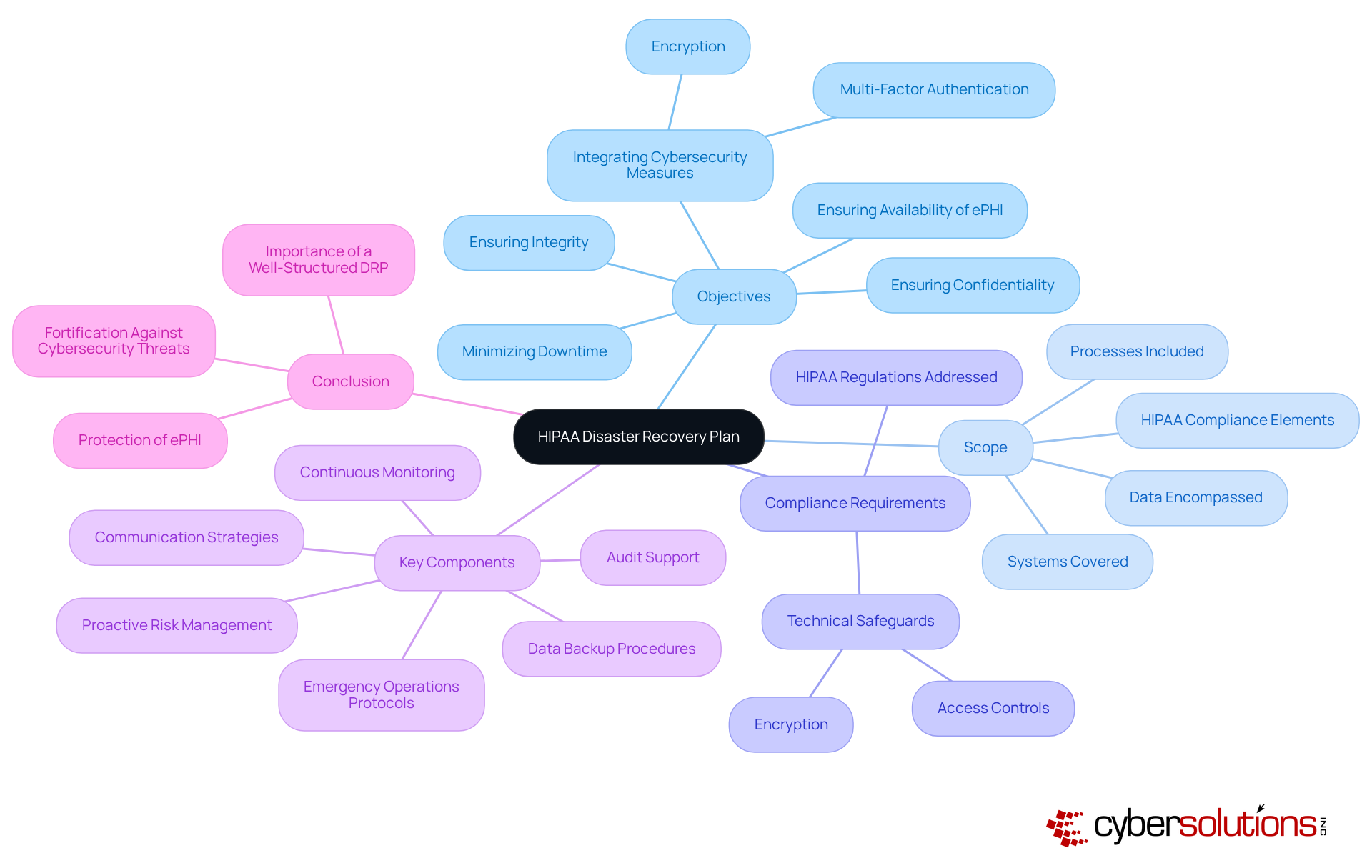
A HIPAA disaster recovery strategy is not merely a document; it is a crucial plan that details how a healthcare organization will respond to emergencies that threaten the integrity of electronic protected health information (ePHI). In today’s landscape, where cyber threats loom large, having a robust DRP is essential for organizational resilience.
Objectives: The goals of the DRP must be crystal clear. They should focus on minimizing downtime and ensuring the confidentiality, integrity, and availability of ePHI. This includes integrating technologies like encryption and multi-factor authentication to protect against data breaches and unauthorized access.
Scope: It’s crucial to define the systems, processes, and data encompassed by the plan. Ensure that all critical components are included, particularly those related to data protection and cybersecurity safeguards.
Compliance Requirements: Highlight the specific regulations addressed by the plan. Every action taken during an emergency must comply with federal laws, including necessary security measures and access controls.
Key Components: A comprehensive approach to crisis management includes elements such as risk assessment, recovery strategies, and communication strategies. Additionally, proactive planning, continuous monitoring, and audit support are essential to maintain compliance and readiness for potential audits.
In conclusion, a well-structured HIPAA disaster recovery plan is indispensable for healthcare organizations. It not only protects ePHI but also fortifies the organization against the ever-evolving landscape of cyber threats.
Establish Roles and Responsibilities
Establishing clear roles is vital for the successful implementation of a disaster recovery plan. In the face of increasing cybersecurity threats, healthcare organizations must prioritize effective team organization to ensure swift recovery during emergencies. Here are essential steps to ensure your team is prepared:
- Identify Key Personnel: Recognize the individuals who will play crucial roles in the recovery process, including IT staff, compliance officers, and management.
- Assign Specific Roles: Clearly delineate the responsibilities of each team member. For instance:
- Team Leader: Manages the overall recovery process, ensuring all actions align with the DRP.
- Technical Staff: Tasked with restoring systems and data, they are critical in minimizing downtime.
- Compliance Officer: Ensures that all retrieval efforts adhere to HIPAA regulations and the recovery plan, safeguarding sensitive information.
- Maintain Contact List: Keep a current list of all team members, including their contact details, to enable prompt communication during an emergency.
- Document Procedures: Incorporate these into the DRP documentation to promote clarity and accountability.
Studies show that merely 30% of groups have defined roles within their disaster recovery plans, emphasizing a notable area for enhancement. By creating defined roles, healthcare entities can improve their response abilities, ensuring a more efficient restoration process during emergencies.

Conduct a Risk Assessment
A comprehensive risk assessment is crucial for identifying potential threats to electronic Protected Health Information (ePHI) and understanding organizational vulnerabilities. In today’s healthcare landscape, cybersecurity is not just an option; it’s a necessity. With healthcare entities facing a staggering 58% of breaches linked to vulnerabilities in third-party providers in 2023, the urgency for robust planning has never been clearer.
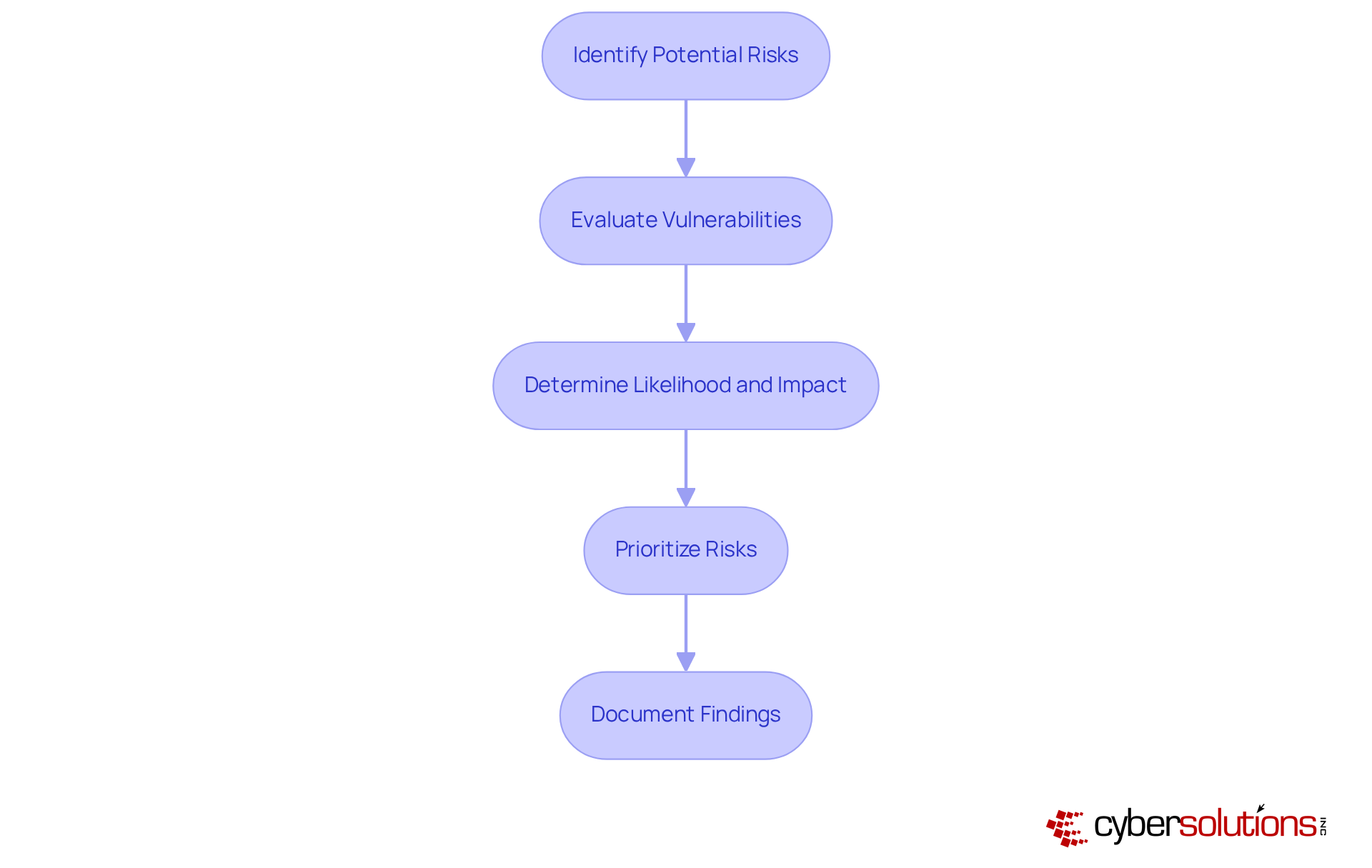
- Identify Potential Risks: Begin by considering various scenarios that could impact your organization, such as natural disasters, cyberattacks, and system failures. Each of these risks poses a significant threat to your operations and patient trust.
- Evaluate Vulnerabilities: Next, assess to identify weaknesses that could be exploited during a crisis. Regular updates to your risk assessment are essential, particularly after any significant changes in software or hardware.
- Determine Likelihood and Impact: For every identified threat, analyze the potential impact on your organization’s operations and compliance. This analysis is vital for effective risk management and ensuring compliance with regulations.
- Prioritize Risks: Rank the identified risks based on their probability and potential impact. This prioritization allows you to focus your contingency efforts on the most critical areas. Organizations should revisit their risk assessments every 2-3 years, even if no major changes have occurred.
- Document Findings: Finally, compile your findings to guide the development of your disaster recovery strategies. Utilizing expert resources can streamline this process, providing expert guidance and support for audit preparation. This not only helps maintain compliance with regulations but also enhances your organization’s ability to respond effectively to audits, safeguarding against potential penalties and reputational damage.
Inventory Critical Assets
In today’s healthcare landscape, developing a thorough inventory of critical assets is not just essential; it’s a cornerstone of effective disaster recovery planning. Organizations must take proactive steps to ensure they are prepared for any eventuality. Here’s how:
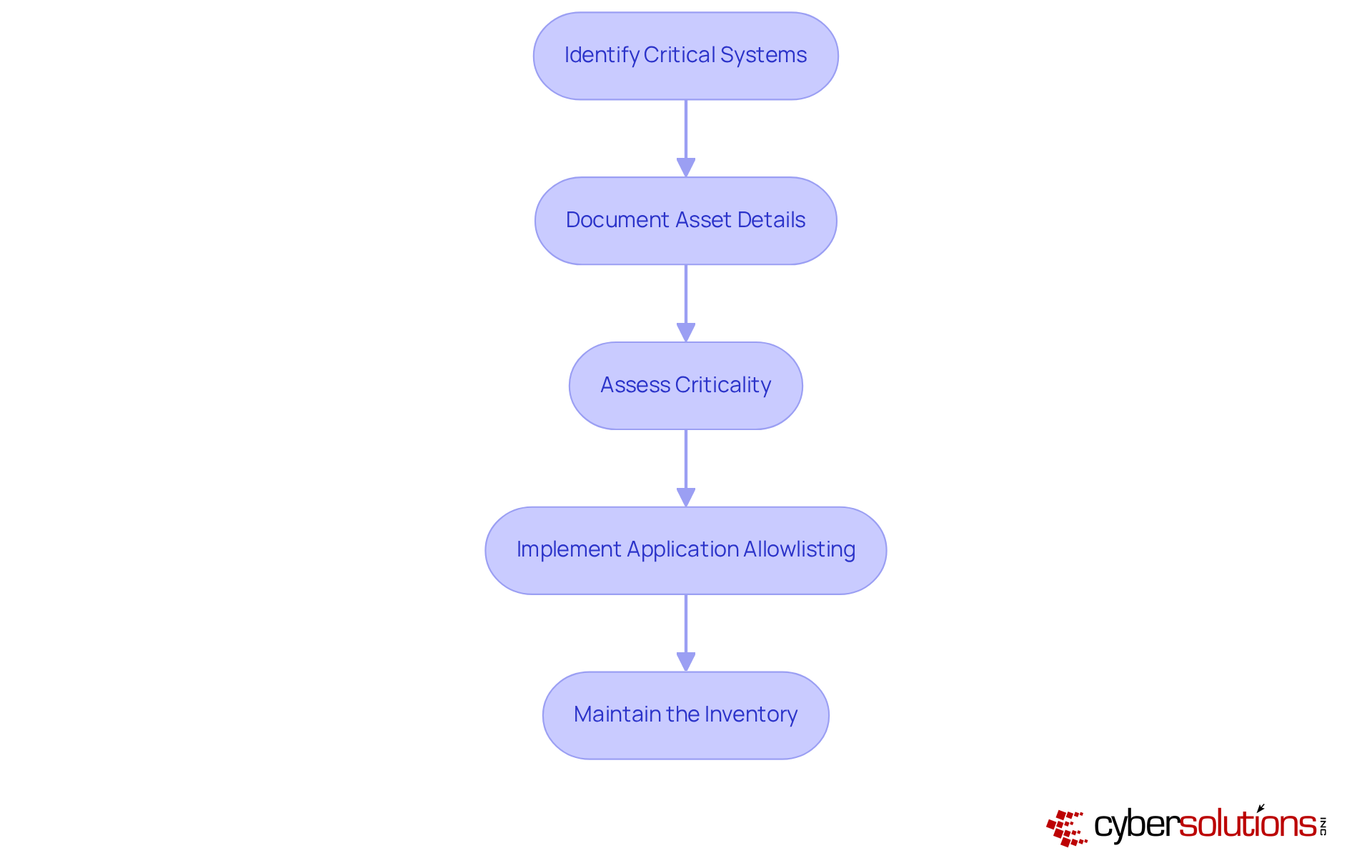
- Identify Critical Systems: Begin by cataloging all systems that store, process, or transmit electronic protected health information (ePHI). This includes servers, databases, and applications that are vital to your operations.
- Document Asset Details: For each asset, record crucial information such as:
- Asset type (hardware, software, etc.)
- Location
- Owner or responsible party
- Backup status
- Assess Criticality: Evaluate the significance of each asset to your organization’s operations and compliance efforts. Prioritize those that are crucial for recovery. Remember, a comprehensive inventory is not merely a best practice; it’s a compliance requirement under the HIPAA Security Rule, which mandates tracking and maintaining critical assets.
- Implement Application Whitelisting: To bolster cybersecurity, integrate application whitelisting into your asset management strategy. This proactive measure ensures that only approved applications can execute on your systems, significantly reducing the risk of malware and unauthorized software that could compromise ePHI. By limiting the applications that can run, you not only protect sensitive data but also align with compliance requirements for standards such as HIPAA. Furthermore, application whitelisting facilitates centralized management and continuous monitoring of application activity, further strengthening your security posture.
- Maintain the Inventory: Regularly update your asset inventory to reflect changes in your IT environment, ensuring it remains accurate and comprehensive. Research indicates that only 30% of healthcare entities maintain an up-to-date inventory, which can lead to compliance gaps and increased risk of data breaches. Implementing an effective inventory management system can help mitigate these risks by providing real-time visibility into asset status and ensuring that all devices accessing ePHI are documented and monitored effectively.
By adhering to these steps, organizations can significantly enhance their disaster recovery capabilities and ensure compliance with HIPAA disaster recovery regulations, ultimately safeguarding sensitive patient information.
Create Disaster Recovery Processes and Procedures
Establishing clear processes and procedures for disaster recovery is vital for an effective response during a crisis. Why is this important? Because only 54% of entities have recorded emergency response plans, highlighting a significant gap in readiness. Implement the following steps to enhance your organization's resilience:
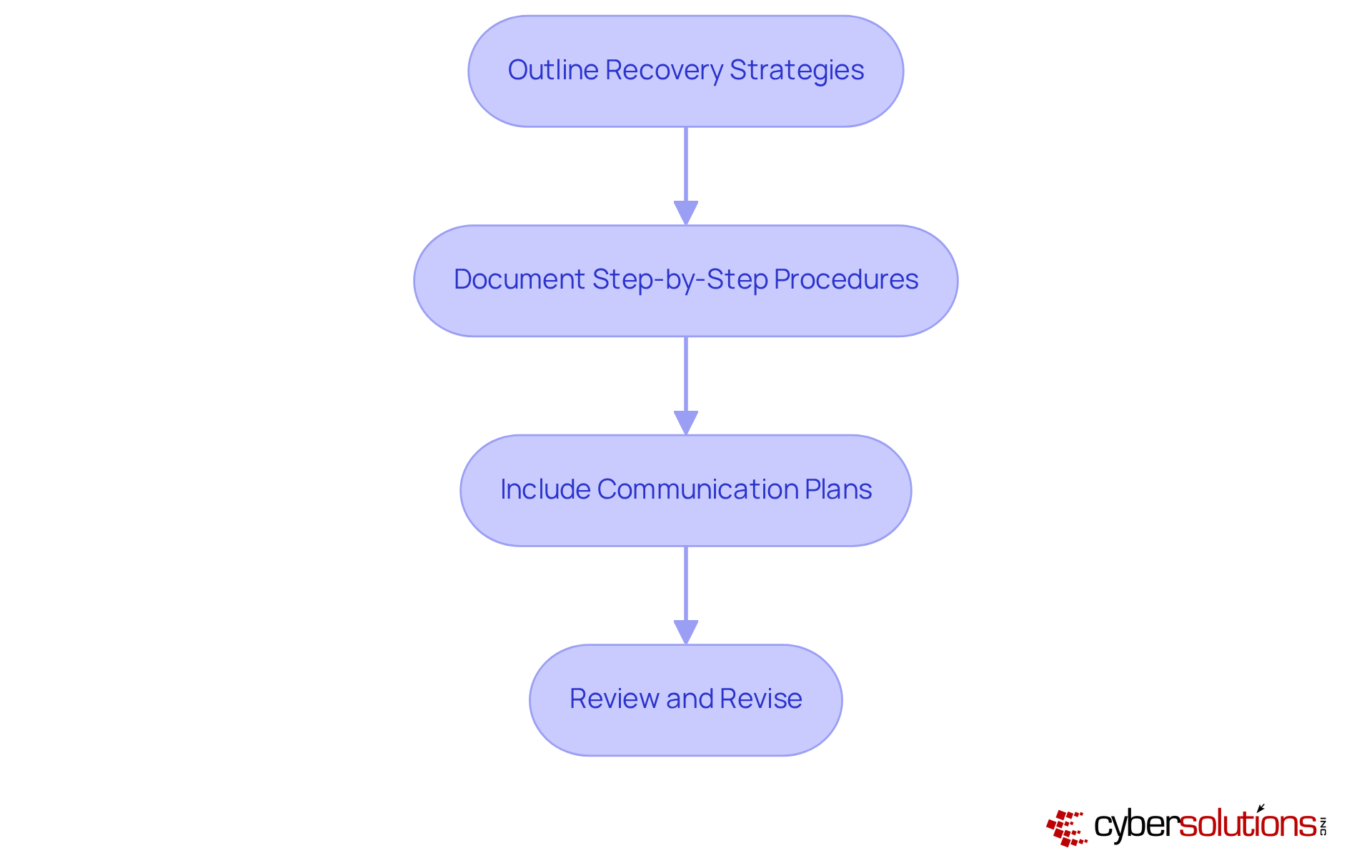
- Outline critical functions: Define strategies for data recovery and alternative processing methods. This ensures that essential operations can resume swiftly.
- Document procedures: Create comprehensive procedures for each restoration strategy, ensuring clarity and ease of execution. Include specific actions, responsible personnel, and estimated timelines for restoration to facilitate a smooth process.
- Include communication plans: Develop a communication framework outlining how information will be shared during an emergency. This should encompass notifying stakeholders and keeping staff informed to maintain operational continuity.
- Review and update: Regularly assess and update these procedures to reflect advancements in technology, changes in personnel, or shifts in organizational structure. Continuous improvement is essential to ensure preparedness.
By following these best practices, healthcare entities can enhance their disaster recovery capabilities and ensure compliance with HIPAA regulations, ultimately safeguarding patient data and maintaining trust.
Test the Disaster Recovery Plan
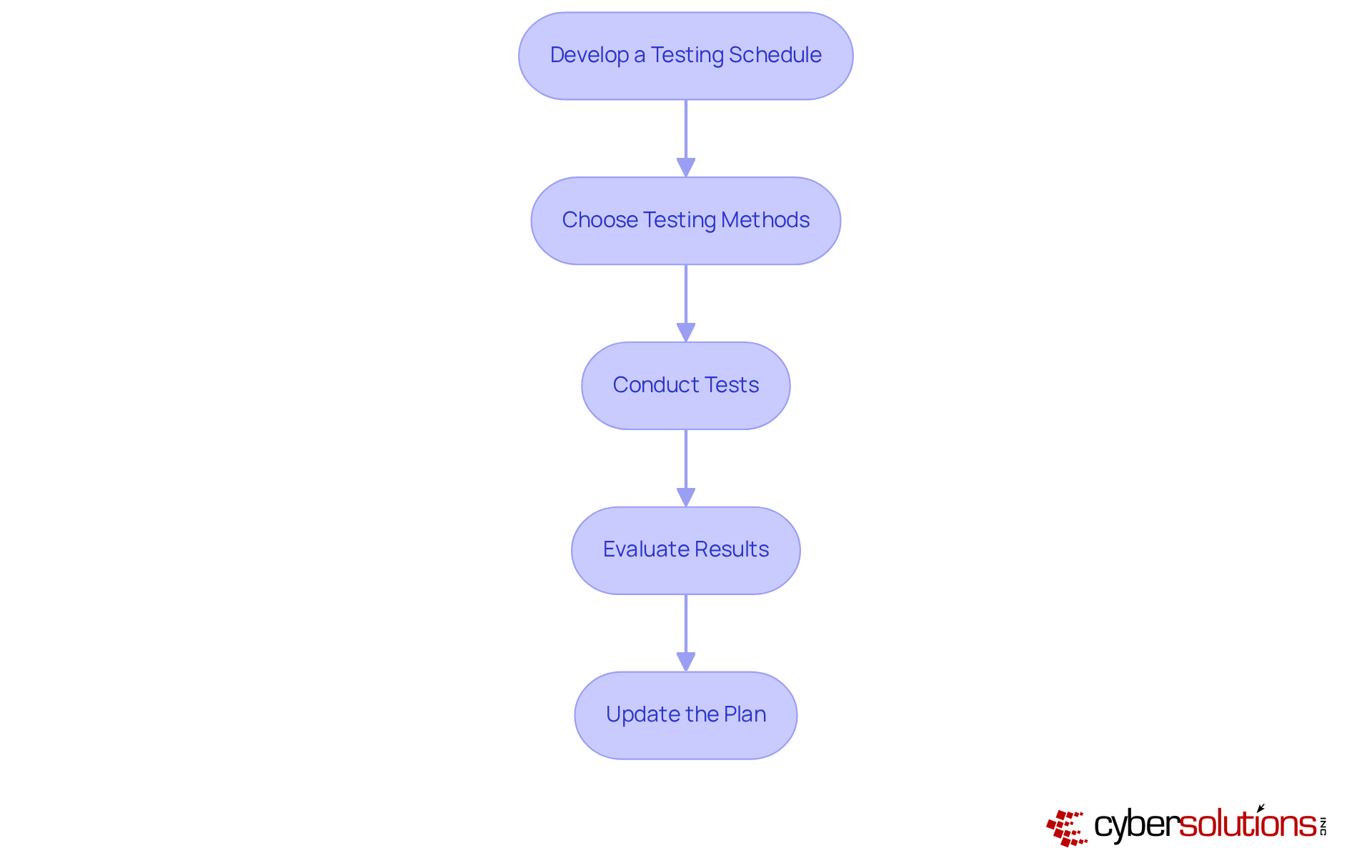
Regular evaluation of your emergency response strategy is not just important; it’s essential for ensuring efficiency and durability in today’s cybersecurity landscape. With threats evolving rapidly, organizations must implement best practices to optimize their testing processes:
- Develop a Testing Schedule: Establish a consistent testing schedule that includes both comprehensive full-scale tests and smaller, focused drills. Aim for annual full interruption tests across departments, with critical components evaluated quarterly or after significant system changes.
- Choose Testing Methods: Select appropriate methods to your organization's needs. Options include tabletop exercises, which replicate disaster situations to evaluate team reactions, and parallel testing, where the backup system operates alongside the main system to confirm restoration procedures without interrupting operations.
- Conduct Tests: Execute the tests with full participation from all team members, ensuring they understand their roles and responsibilities. This collaborative approach enhances preparedness and identifies potential weaknesses in the disaster recovery plan. For instance, Cyber Solutions' experience with a healthcare provider demonstrated that having an expert physically present within a day helped contain a ransomware threat effectively.
- Evaluate Results: After each test, thoroughly assess the outcomes to identify gaps or areas needing improvement. Organizations benefit in comprehending their restoration capabilities and enhancing their strategies accordingly. The case study shows that a layered strategy featuring endpoint isolation, malware elimination, and user education facilitated a quicker and more thorough restoration.
- Update the Plan: Revise the disaster recovery plan based on insights gained from testing. Continuous updates ensure the DRP remains relevant and effective in addressing evolving threats and operational changes. The healthcare provider not only recovered ahead of schedule but also enhanced its security measures to safeguard patient data and operations against future threats.
Statistics reveal that many organizations fail to conduct regular assessments, and merely half of those that assess their continuity recovery plans do so annually or less often. Moreover, studies highlight the financial consequences of insufficient emergency planning. By prioritizing routine testing and adopting modern methods, organizations can significantly enhance their resilience against disruptions, ensuring compliance with regulations like HIPAA and implementing effective strategies to safeguard sensitive data. Incorporating the four C's of crisis management—communication, coordination, collaboration, and continuity—into your strategy is vital for successful restoration.
Train Employees on the Disaster Recovery Plan
Training staff on the disaster recovery plan is crucial for ensuring a coordinated reaction during a crisis, especially in the context of healthcare. Organizations must prioritize this training to safeguard their operations and personnel. To achieve this, consider implementing the following steps:
- Develop a Comprehensive Training Program: Design a program that thoroughly covers the disaster recovery plan, detailing roles, responsibilities, and procedures to ensure clarity among all staff members.
- Conduct Regular Drills: Schedule consistent drills for all employees, ensuring they are well-versed in the plan and their specific roles during an emergency. Research indicates that 80.7% of healthcare organizations regularly update their training programs, highlighting the importance of ongoing training.
- Utilize Diverse Methods: Engage employees effectively by incorporating various training methods, such as workshops, e-learning modules, and hands-on drills. A blended method integrating online and in-person instruction has been demonstrated to improve competency in emergency management.
- Evaluate Effectiveness: Assess the training's effectiveness through participant feedback and performance during drills. This evaluation process is crucial for identifying areas for improvement and ensuring that the training meets its objectives.
- Reinforce Training: Offer continuous education and refresher sessions to keep staff updated on changes to the disaster recovery plan. Regular reinforcement helps maintain a high level of preparedness for emergencies and ensures that staff are familiar with procedures, ultimately minimizing the impact of potential disasters. As Samara Lynn noted, "Most employees want to know what they are supposed to do and how they can help in an emergency," emphasizing the importance of clear communication and training.

Conclusion
A comprehensive HIPAA disaster recovery plan is not merely a regulatory requirement; it serves as a crucial framework for safeguarding electronic protected health information (ePHI) against unforeseen disasters. In today’s landscape of escalating cybersecurity threats, healthcare organizations must prioritize the establishment of a robust plan. This proactive approach not only ensures compliance with HIPAA regulations but also fortifies the protection of sensitive data during emergencies.
To effectively navigate these challenges, organizations should focus on several critical steps in their disaster recovery planning:
- Clearly defining the plan's scope is essential.
- Establishing distinct roles and responsibilities ensures accountability.
- Conducting thorough risk assessments allows organizations to identify vulnerabilities.
- Maintaining an updated inventory of critical assets is vital for swift recovery.
- Creating robust recovery processes, regularly testing the plan, and providing ongoing employee training are indispensable components that enhance resilience against cybersecurity threats and operational disruptions.
Ultimately, the significance of a well-structured HIPAA disaster recovery plan transcends mere compliance; it is fundamental for fostering trust with patients and stakeholders alike. As the cybersecurity landscape continues to evolve, healthcare organizations must take decisive action to implement these best practices. By doing so, they not only protect sensitive information but also enhance operational continuity, leading to improved patient care and organizational stability. Taking proactive measures today is essential for preparing for any crisis that may arise.
Frequently Asked Questions
What is a HIPAA disaster recovery plan (DRP)?
A HIPAA disaster recovery plan is a crucial strategy that outlines how a healthcare organization will respond to emergencies threatening the integrity of electronic protected health information (ePHI), focusing on minimizing downtime and ensuring the confidentiality, integrity, and availability of ePHI.
What are the objectives of a HIPAA disaster recovery plan?
The objectives of a DRP include minimizing downtime and ensuring the confidentiality, integrity, and availability of ePHI, along with integrating strong cybersecurity measures like encryption and multi-factor authentication to protect against data breaches.
What should be included in the scope of a HIPAA disaster recovery plan?
The scope of the plan should define the systems, processes, and data it encompasses, ensuring all critical components related to HIPAA compliance and cybersecurity safeguards are included.
What compliance requirements must a HIPAA disaster recovery plan address?
The plan must highlight specific HIPAA regulations and ensure that all actions taken during an emergency comply with federal laws, including necessary technical safeguards like encryption and access controls.
What are the key components of a comprehensive HIPAA disaster recovery plan?
Key components include data backup procedures, emergency operations protocols, communication strategies, proactive risk management strategies, continuous monitoring, and audit support to maintain compliance and readiness for potential audits.
Why is establishing roles and responsibilities important in HIPAA disaster recovery?
Clear roles and responsibilities are vital for effective team organization, ensuring swift recovery during emergencies and improving response abilities within healthcare organizations.
Who are the key personnel typically involved in a HIPAA disaster recovery process?
Key personnel include the Disaster Recovery Coordinator, IT Support Staff, and Compliance Officer, each with specific responsibilities in managing the recovery process and ensuring adherence to HIPAA regulations.
What steps should be taken to prepare the disaster recovery team?
Steps include identifying key personnel, assigning specific roles, creating a current contact list of team members for prompt communication, and documenting responsibilities in the DRP to promote clarity and accountability.
List of Sources
- Define the HIPAA Disaster Recovery Plan
- totalhipaa.com (https://totalhipaa.com/9-items-disaster-recovery-plan)
- 2024 HIPAA Trends and Statistics (https://securitymetrics.com/blog/2024-hipaa-trends)
- invenioit.com (https://invenioit.com/continuity/healthcare-business-continuity-planning?srsltid=AfmBOoogmCibHXQ1lLliHY1xC_I0d2M4pBWhhwOFLI2rbzeXN4sm0m4C)
- HIPAA Statistics Every Healthcare Entity Needs to Know in 2025 (https://hipaauniversity.com/blog/hipaa-statistics)
- healthcarecompliancepros.com (https://healthcarecompliancepros.com/blog/a-disaster-recovery-program-is-important-regardless-of-location)
- Establish Roles and Responsibilities
- hipaatimes.com (https://hipaatimes.com/hipaa-compliant-approaches-to-data-backup-and-recovery)
- 360training.com (https://360training.com/blog/disaster-recovery)
- alertmedia.com (https://alertmedia.com/blog/emergency-response-roles)
- healthcarecompliancepros.com (https://healthcarecompliancepros.com/blog/who-is-responsible-for-our-disaster-recovery-plan)
- Conduct a Risk Assessment
- 38 Must-Know Healthcare Cybersecurity Stats (https://varonis.com/blog/healthcare-cybersecurity-statistics)
- totalhipaa.com (https://totalhipaa.com/importance-risk-assessment)
- cmadocs.org (https://cmadocs.org/newsroom/news/view/ArticleId/50992/HHS-releases-updated-HIPAA-security-risk-assessment-tool)
- natlawreview.com (https://natlawreview.com/article/ocr-releases-new-hipaa-security-risk-assessment-tool)
- venn.com (https://venn.com/learn/hipaa-compliance)
- Inventory Critical Assets
- modernstoragemedia.com (https://modernstoragemedia.com/msm-exclusives/disaster-recovery-how-preparation-helps-protect-profits-and-assets)
- hstoday.us (https://hstoday.us/subject-matter-areas/cybersecurity/cisas-releases-operational-technology-asset-inventory-guidance-webinar)
- fidelissecurity.com (https://fidelissecurity.com/threatgeek/compliance/asset-inventory-in-healthcare)
- soltech.net (https://soltech.net/backup-and-disaster-recovery-plan)
- Create Disaster Recovery Processes and Procedures
- 30 Disaster Recovery Stats You Should Know (https://impactmybiz.com/blog/disaster-recovery-stats)
- invenioit.com (https://invenioit.com/continuity/disaster-recovery-statistics?srsltid=AfmBOopMdeGN-t7Dz1VI6JciFxrloswByb5EMKylTM2ncbdjA4C8Dh8_)
- 360training.com (https://360training.com/blog/disaster-recovery)
- healthtechmagazine.net (https://healthtechmagazine.net/article/2025/09/key-elements-business-continuity-and-disaster-recovery-healthcare)
- How To Build a HIPAA-Compliant Backup & Disaster Recovery Strategy - Blog | GitProtect.io (https://gitprotect.io/blog/how-to-build-a-hipaa-compliant-backup-and-disaster-recovery-strategy)
- Test the Disaster Recovery Plan
- invenioit.com (https://invenioit.com/continuity/disaster-recovery-statistics?srsltid=AfmBOopm6pn3juDSpf3PhmCsLiO3FFLAsTTarppdgIagOEGvIjh_4J9u)
- securafy.com (https://securafy.com/blog/top-disaster-recovery-testing-strategies-for-business-leaders)
- tailwindvoiceanddata.com (https://tailwindvoiceanddata.com/blog/disaster-recovery-testing-what-it-is-why-its-important)
- gaminfo.com (https://gaminfo.com/disaster-recovery-strategies-new-jersey)
- invenioit.com (https://invenioit.com/continuity/2017-disaster-recovery-statistics?srsltid=AfmBOorRMXfpBa4ZFg-uOPmYeyQMylYZZV7LE667N0qfl38_xf0xbxps)
- Train Employees on the Disaster Recovery Plan
- reisinformatica.com (https://reisinformatica.com/does-your-business-have-it-disaster-recovery-training-in-place)
- mgma.com (https://mgma.com/mgma-stats/many-health-leaders-report-they-have-an-emergency-preparedness-plan)
- pcmag.com (https://pcmag.com/news/disaster-recovery-training)
- pmc.ncbi.nlm.nih.gov (https://pmc.ncbi.nlm.nih.gov/articles/PMC10788064)