


In today’s fast-paced world of managed services, billing software solutions have emerged as vital instruments for C-suite leaders aiming to optimize their financial operations. The right software not only enhances efficiency and improves cash flow but also ensures compliance—all while alleviating administrative burdens. Yet, with a plethora of options flooding the market, how can leaders pinpoint the most effective solutions that align with their strategic objectives? This article explores seven innovative managed services billing software solutions designed to streamline invoicing processes and empower businesses to excel in a competitive landscape.
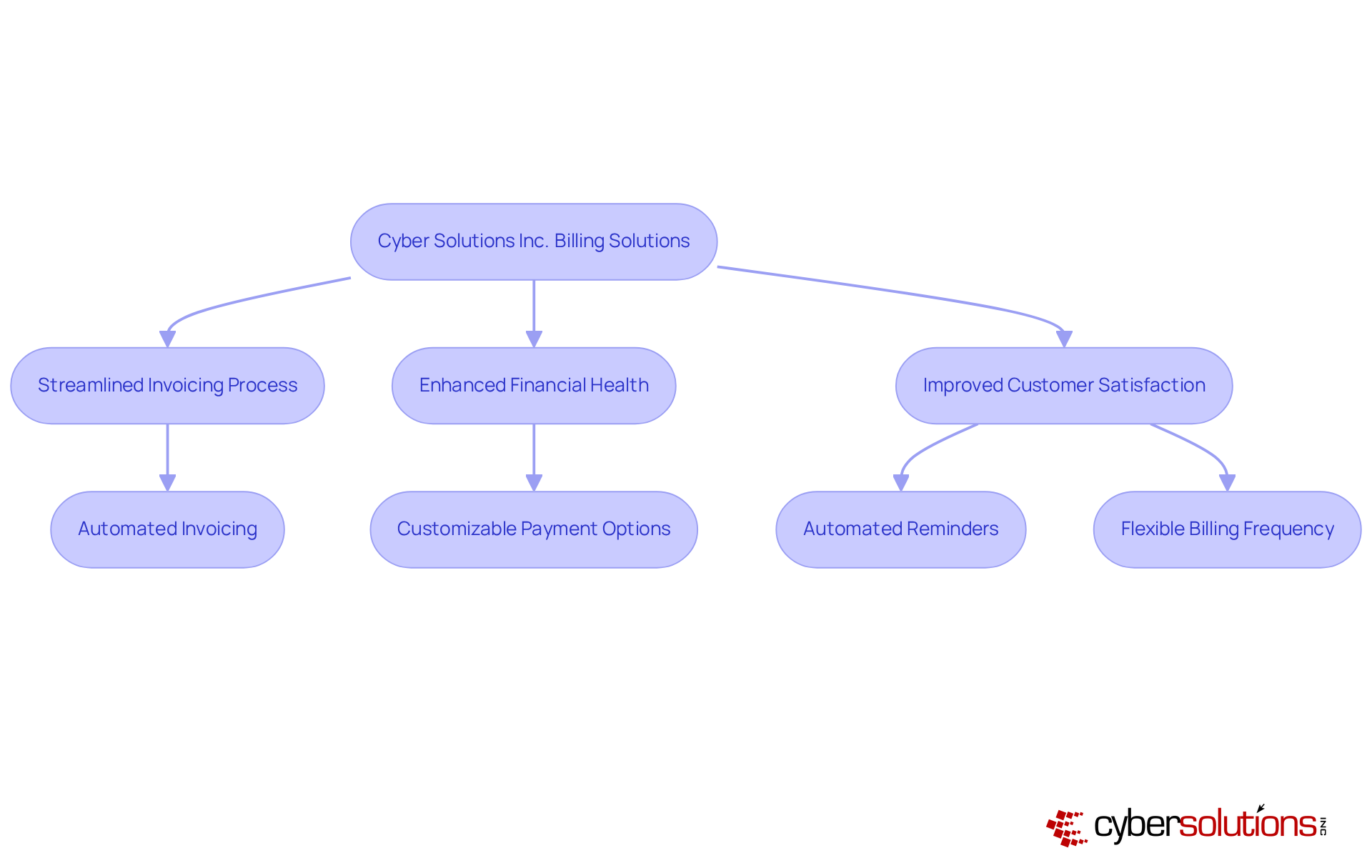
Invoicing solutions are crucial for managed service providers, and Cyber Solutions Inc. stands at the forefront of technology. Their comprehensive range of services is tailored specifically for MSPs, ensuring that operations are not only efficient but also secure. This approach addresses the unique challenges that MSPs face in managing billing and financial transactions using innovative tools.
By leveraging advanced technology, Cyber Solutions empowers organizations to streamline processes while adhering to industry regulations. This commitment not only enhances financial health but also boosts operational efficiency. The integration of automated invoicing and customizable payment options fosters trust and satisfaction among clients, leading to improved cash flow management and reduced delinquency rates.
As industry leaders emphasize, effective billing solutions are vital for MSPs aiming to maintain competitiveness and profitability. Consider this: the average savings from utilizing ConnectWise PSA over three years amounts to $238,798. This statistic underscores the importance of efficient billing practices.
Moreover, optimizing the billing process can significantly elevate operational efficiency and customer satisfaction. These solutions further minimize the risk of delinquent clients, reinforcing the value of Cyber Solutions' offerings. Are you ready to transform your business and secure your financial future?
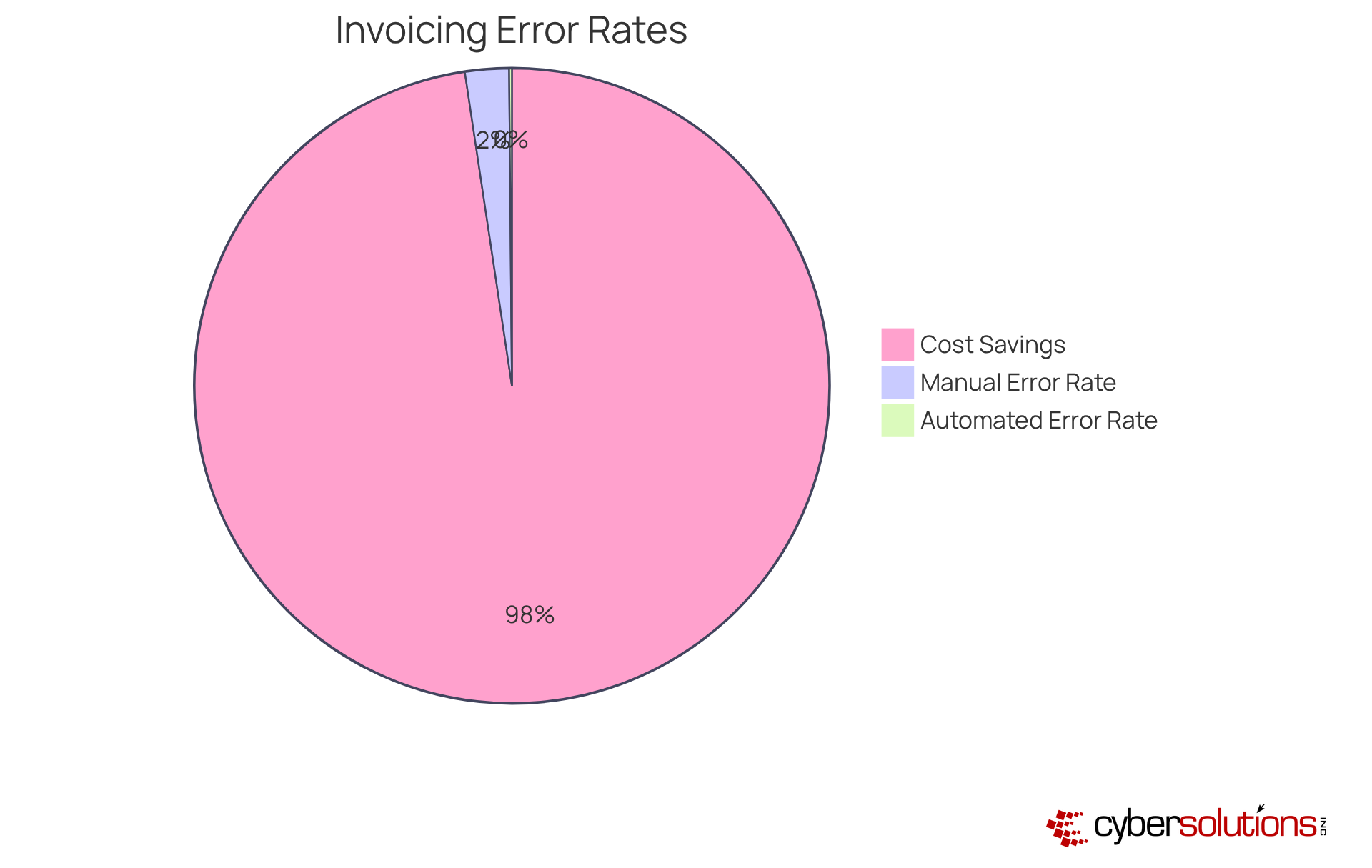
Automated invoicing solutions are revolutionizing the way managed service providers operate by utilizing technology, allowing them to create and send invoices effortlessly. This shift eliminates the need for manual intervention, significantly reducing processing times. In fact, automation cuts error rates to less than 0.1%, a stark contrast to the average 1.6% error rate associated with manual processes.
Moreover, these automated systems can process invoices in under five minutes, which accelerates cash flow and ensures timely payments. By streamlining these processes with automation, managed service providers can shift their focus from tedious administrative tasks to strategic initiatives. This not only boosts efficiency but also improves retention rates.
The financial implications are substantial. Companies processing over 1,000 invoices monthly can achieve up to 70% in cost savings, translating to approximately $156,000 in annual savings. Such savings facilitate improved cash flow management and operational efficiency, making automation not just a convenience, but a strategic necessity.
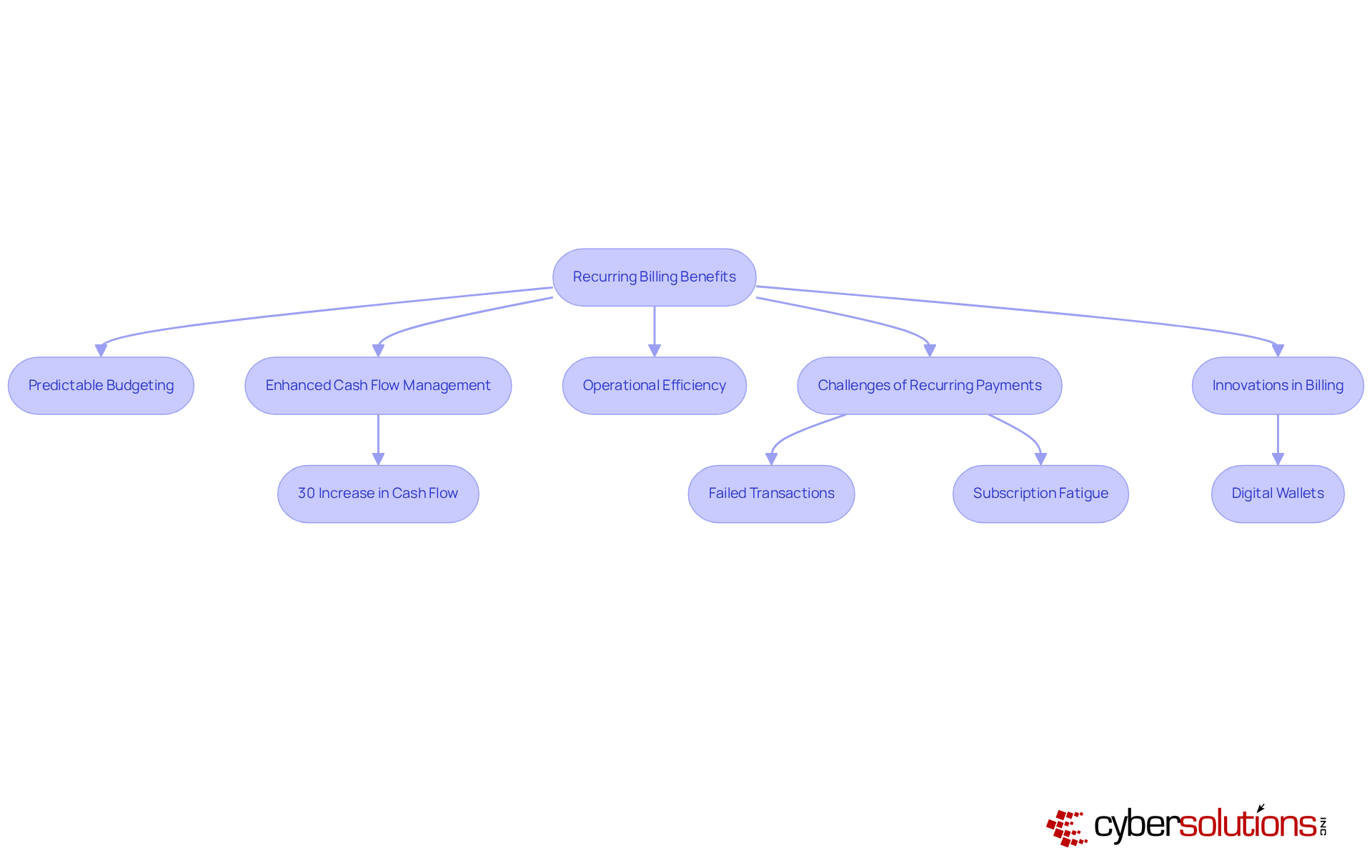
Recurring billing is crucial for managed service providers, as it allows them to establish recurring payment structures with regular charges—be it monthly or quarterly fees—that generate a stable revenue stream. This approach not only facilitates transactions for both providers and clients but also significantly enhances customer satisfaction. By implementing regular billing cycles, managed service providers can streamline operations using automated systems, thereby reducing the complexities typically associated with one-time billing. This predictability leads to improved budgeting and resource allocation, ultimately boosting cash flow and profitability.
Moreover, with a consistent influx of revenue generated through recurring billing, managed service providers can invest in growth initiatives and enhance their service offerings, positioning themselves for success in a competitive landscape. Recent data indicates that managed service providers can expect a 30% increase in cash flow across their partner networks and an over 80% reduction in collection periods, underscoring the financial advantages of adopting recurring billing.
However, it’s essential to recognize the challenges that accompany recurring payments. Issues such as payment failures can lead to involuntary churn, impacting overall revenue stability. As Vinayak Purshan notes, "The most significant challenges businesses face with recurring payments include payment failures leading to involuntary churn, subscription fatigue causing voluntary cancellations, customer dissatisfaction, and security concerns."
Additionally, the rise of digital wallets is reshaping the recurring payments landscape by securely storing payment credentials and enabling one-click subscription sign-ups. This innovation further enhances convenience for managed service providers, making it imperative to adapt to these evolving trends in payment processing.
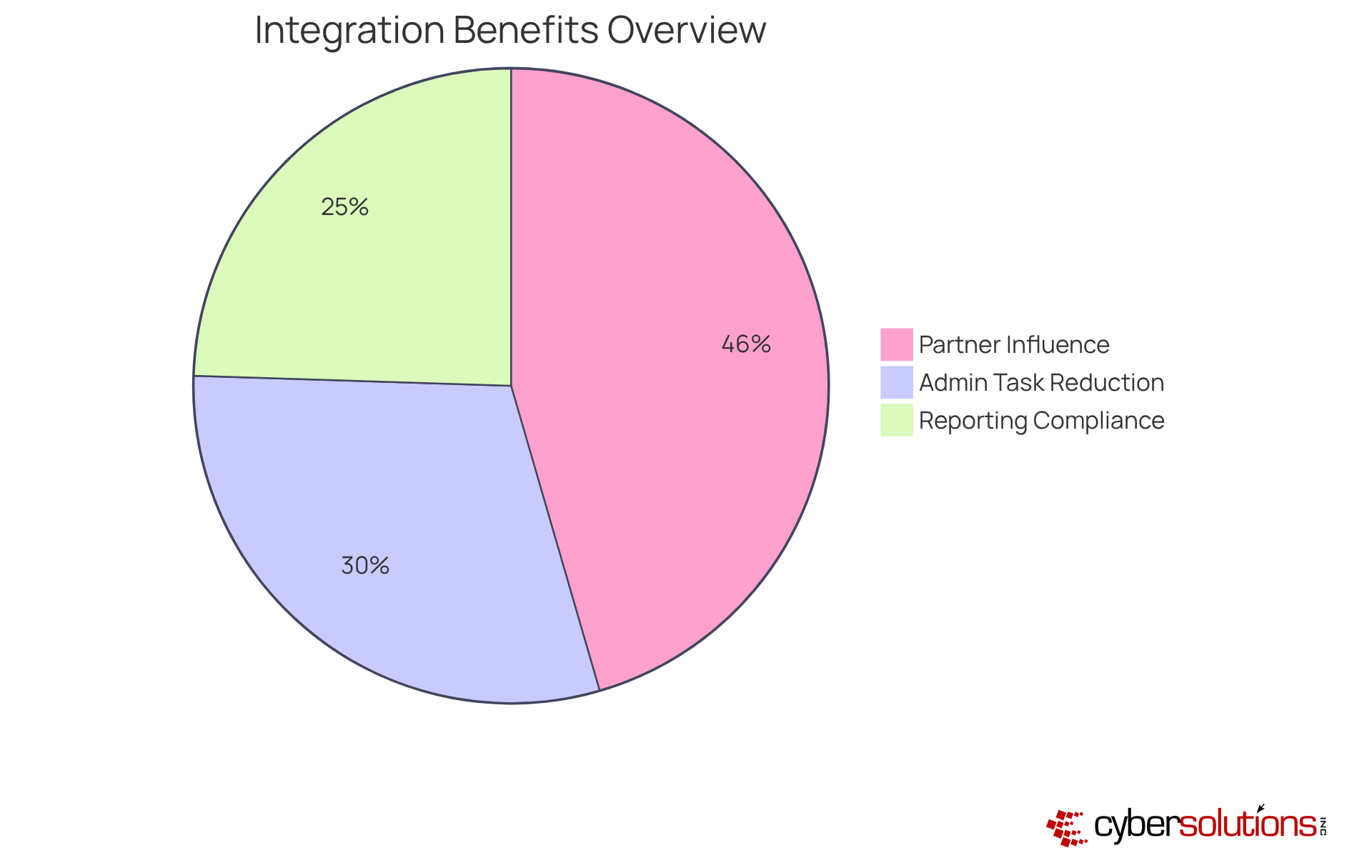
—like CRM and accounting platforms—significantly boosts functionality and efficiency. This integration facilitates automation, reducing reliance on manual data entry and minimizing errors. Organizations that have adopted these integrated solutions report a remarkable 60% reduction in administrative tasks, which leads to increased productivity.
Moreover, consider this:
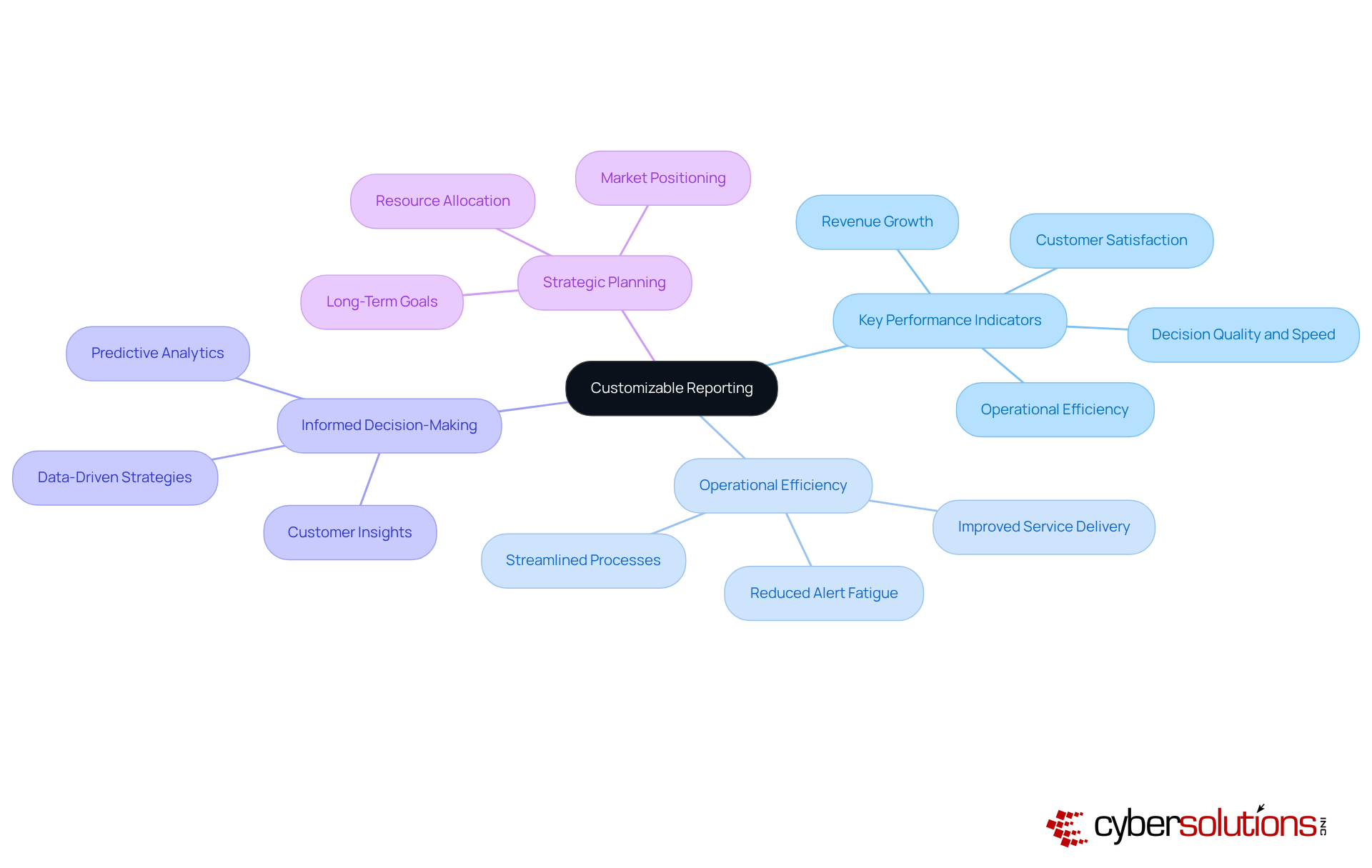
Customizable reporting tools are essential for managed service providers (MSPs) using software to enhance their operations. By tailoring reports to spotlight key performance indicators (KPIs), MSPs can leverage data to gain insights, improve efficiency, and drive growth. This not only facilitates informed decision-making but also empowers MSPs to engage in effective strategies. Ultimately, leveraging these tools leads to better outcomes, positioning MSPs for success in a competitive landscape.
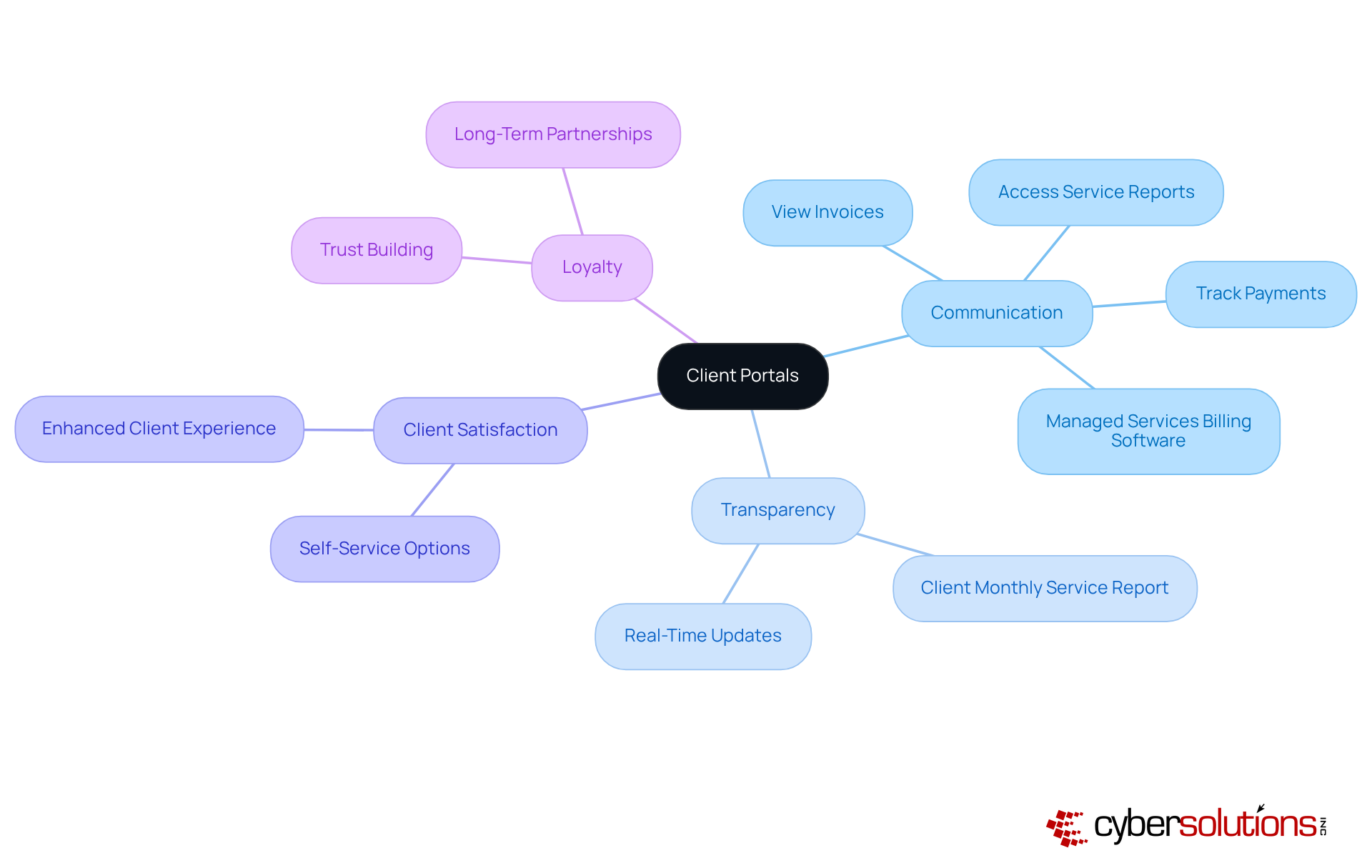
Client portals enable communication with their clients through technology. In today’s fast-paced business environment, transparency is crucial. These portals, powered by software solutions, allow users to view invoices, track payments, and access service reports, fostering trust and clarity in the billing process.
By enhancing communication through client portals, managed service providers not only improve client satisfaction but also increase retention rates. Clients who feel informed and engaged in the billing process are more likely to develop a lasting partnership with their service providers. This proactive approach to client interaction is essential for building strong relationships in the competitive landscape of managed services.
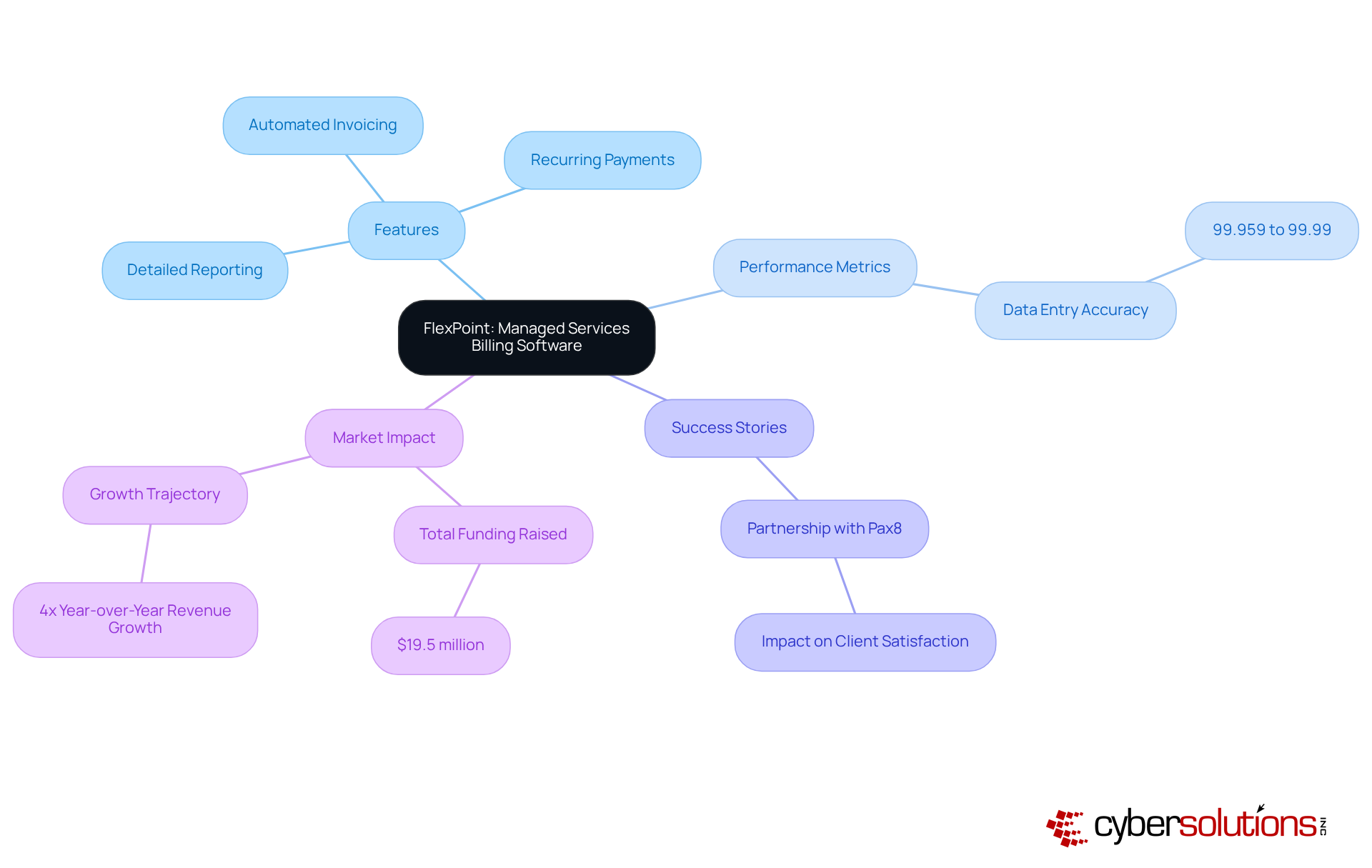
FlexPoint stands out as a premier solution, offering a comprehensive suite of features designed to streamline invoicing processes. With capabilities such as automated invoicing, recurring payments, and detailed reporting, FlexPoint empowers managed service providers to manage their billing operations with precision using advanced technology. Its intuitive interface and strong integrations make it the go-to choice for organizations aiming to elevate their billing practices.
Consider this: FlexPoint boasts an impressive accuracy rate of 99.959% to 99.99%, drastically minimizing the errors typically linked to manual processes. Success stories from managed service providers leveraging FlexPoint, including its innovative features, underscore significant enhancements in operational efficiency and client satisfaction. Moreover, FlexPoint has successfully raised $19.5 million since its inception, highlighting its growth trajectory and market validation.
As Victor Lopez, co-founder and CEO, aptly states, "MSPs are the catalyst for digital transformation, yet they still rely on manual processes for handling payments." This dedication to refining billing processes positions FlexPoint as a leader in managed services, driving both efficiency and growth.
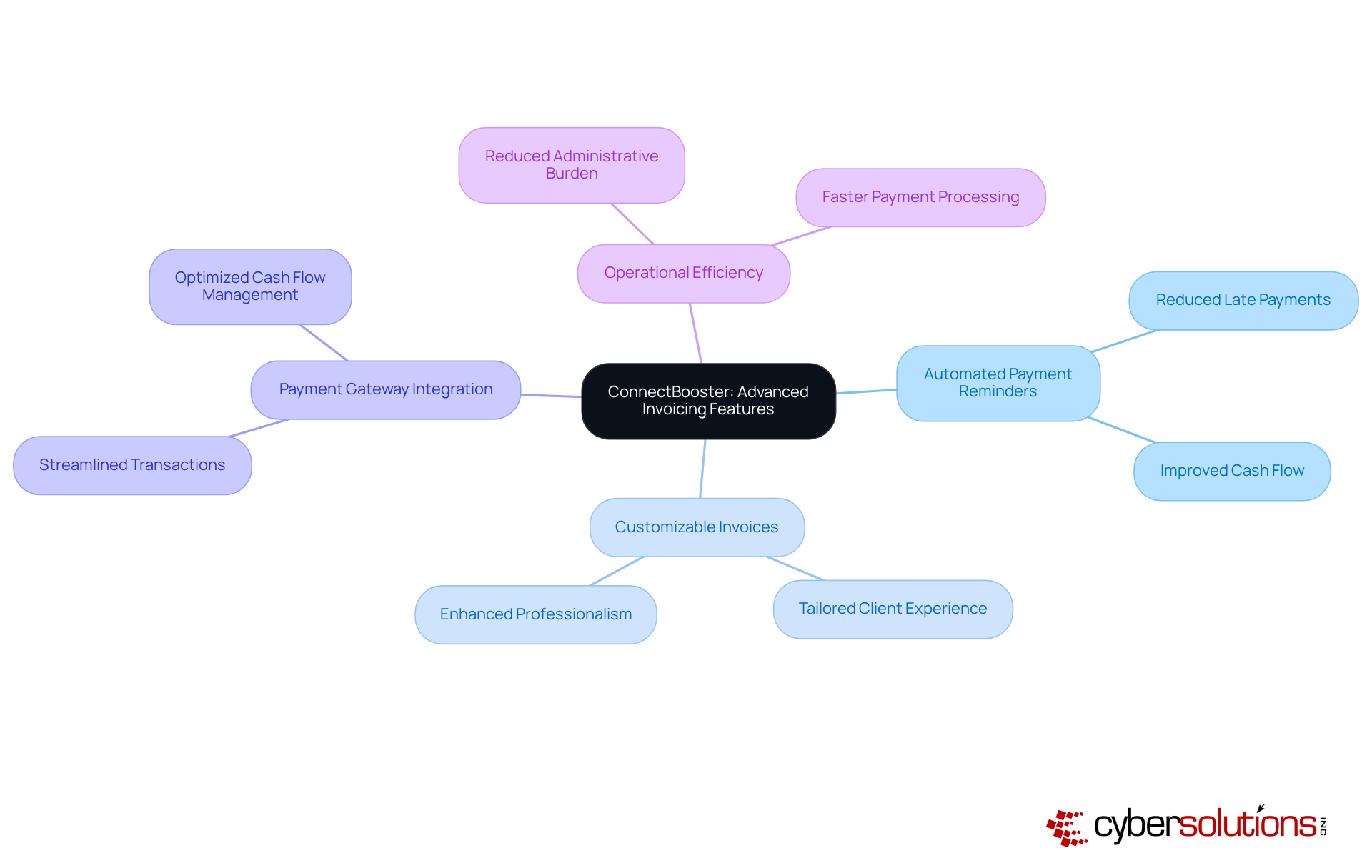
ConnectBooster presents a suite of tools specifically designed for managed service providers, leveraging technology to revolutionize the payment process. With automation, late payments can be significantly reduced, ensuring a smoother cash flow. Customizable invoices further cater to the client needs, enhancing the overall experience.
Moreover, seamless integration with various payment gateways improves efficiency, optimizing revenue collection. By leveraging these capabilities, managed service providers can bolster their financial management and boost profitability. This not only guarantees timely payments but also alleviates the administrative burden associated with manual invoicing processes.
In today’s competitive landscape, adopting ConnectBooster as an advanced invoicing solution is not just beneficial; it’s essential for sustained success.
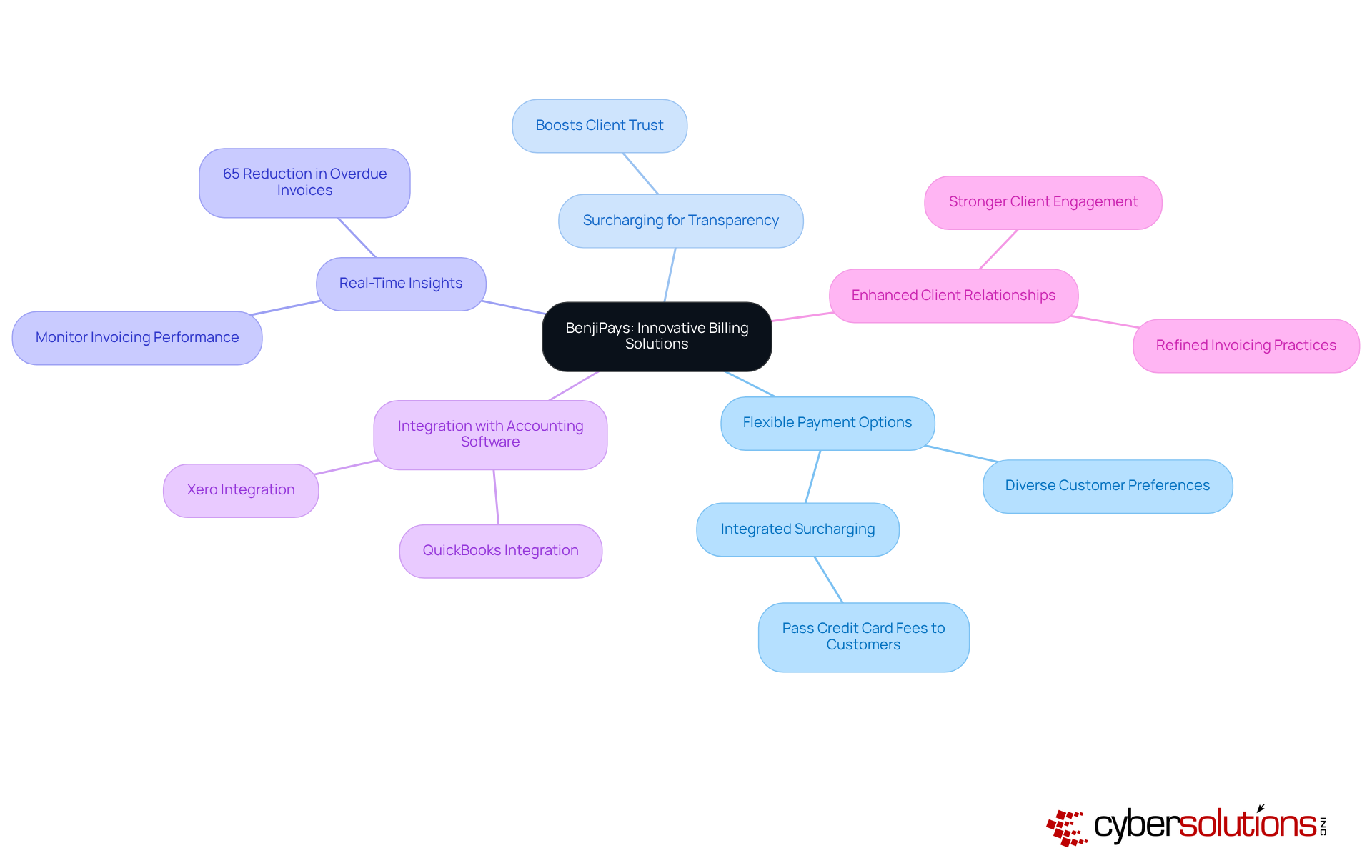
BenjiPays emerges as a leading solution specifically tailored for managed service providers. With its advanced features, service providers can cater to diverse customer preferences, significantly enhancing overall satisfaction. Consider the ability to pass costs to customers through transparent invoicing; this not only boosts transparency but also cultivates trust among clients.
Moreover, BenjiPays offers robust analytics, empowering service providers to monitor invoicing performance and make informed decisions swiftly. This capability is crucial, as evidenced by Fort Point IT's report of a 65% reduction in overdue invoices after implementing BenjiPays, showcasing the effectiveness of these features. Additionally, BenjiPays integrates effortlessly with popular accounting software like QuickBooks and Xero, further increasing its appeal as a billing solution for providers.
By incorporating these innovative features and pricing strategies, BenjiPays enables service providers to refine their invoicing practices. This ultimately leads to improved cash flow and stronger client relationships, positioning them for success in a competitive landscape.
Zomentum stands out as a premier software solution specifically designed for service providers. With advanced features like proposal generation, invoicing, and detailed reporting, it empowers these providers to significantly improve their operations. By automating essential functions, Zomentum enhances billing accuracy and efficiency.
Users of Zomentum experience a remarkable 70% reduction in proposal and contract creation time. This efficiency not only accelerates deal closures but also improves cash flow. Moreover, Zomentum enables users to generate quotes twice as fast and close deals with six times the deal value, further enhancing operational performance.
The software's integration capabilities with PSA tools facilitate real-time synchronization and updates to product pricing, which is crucial for effective budget management. Additionally, Zomentum automates payment processing, including reminders and multiple payment methods, simplifying the payment process and bolstering customer satisfaction.
This level of efficiency not only boosts operational performance but also elevates client relationships. For managed service providers aiming to optimize their financial operations, Zomentum is an invaluable tool that addresses their unique challenges head-on.

In the world of managed services, effective billing solutions are not merely an operational necessity; they represent a strategic advantage. The importance of these solutions cannot be overstated. Various managed services billing software options, including those from Cyber Solutions Inc., FlexPoint, ConnectBooster, BenjiPays, and Zomentum, can revolutionize invoicing processes, enhance cash flow management, and ultimately drive profitability for managed service providers.
Consider the benefits of automated invoicing. This approach significantly reduces error rates and accelerates billing cycles, ensuring that cash flow remains steady. Recurring billing models further guarantee consistent revenue streams, which are crucial for financial stability. Additionally, integrations with other business systems enhance functionality and data accuracy, while customizable reporting tools empower MSPs to make informed decisions based on tailored insights. Client portals also play a vital role in improving communication and transparency, solidifying trust between providers and clients.
As the managed services landscape continues to evolve, adopting these billing software solutions positions providers for sustained success. Organizations must evaluate their current billing practices and consider integrating these innovative solutions to navigate market complexities effectively. Embracing such advancements not only paves the way for improved financial health but also provides a competitive edge in the managed services arena.
In conclusion, the strategic implementation of managed services billing software is essential for any organization aiming to thrive in this competitive environment. Are you ready to take the next step towards enhancing your operational efficiency and securing your financial future?
What is Cyber Solutions Inc. known for?
Cyber Solutions Inc. is known for providing comprehensive billing solutions specifically tailored for managed service providers (MSPs), focusing on efficient and secure invoicing procedures.
How does Cyber Solutions Inc. enhance the invoicing process for MSPs?
Cyber Solutions Inc. enhances the invoicing process by leveraging advanced technology to streamline invoicing, ensuring compliance with industry regulations, and integrating automated invoicing and customizable payment options.
What are the financial benefits of using Cyber Solutions' billing software?
The financial benefits include improved cash flow management, reduced delinquency rates, and potential savings of approximately $238,798 over three years when utilizing efficient billing solutions like ConnectWise PSA.
How does automated invoicing improve the billing process?
Automated invoicing improves the billing process by eliminating manual intervention, reducing error rates to less than 0.1%, and processing invoices in under five minutes, which accelerates billing cycles and ensures timely payments.
What cost savings can companies expect from automated invoicing?
Companies processing over 1,000 invoices monthly can achieve up to 70% in cost savings through automation, translating to approximately $156,000 in annual savings.
What is the significance of recurring billing for managed service providers?
Recurring billing allows managed service providers to establish stable revenue streams through regular charges, which facilitates predictable budgeting, enhances cash flow management, and reduces the administrative burden of one-time billing.
What challenges do businesses face with recurring payments?
Challenges include failed transactions leading to involuntary churn, subscription fatigue causing voluntary cancellations, regulatory compliance complexities, and security concerns.
How are digital wallets influencing recurring payments?
Digital wallets are reshaping recurring payments by securely storing payment credentials and enabling one-click subscription sign-ups, which enhances cash flow management for managed service providers.
Managed IT Service Provider | Cyber Security | Incident Response | Compliance As A Service | Hosted Phone Service | Managed Security Service Provider | AI As A Service