


In an era where cyber threats are not just a possibility but a reality, the healthcare sector in South Carolina must prioritize cybersecurity to protect its most valuable asset: patient data. Organizations in this region, particularly within the healthcare and financial sectors, face unprecedented challenges in safeguarding sensitive information. Effective cybersecurity risk management is not merely a defensive measure; it is a strategic imperative that can protect assets, ensure compliance with regulations like HIPAA and PCI-DSS, and maintain stakeholder trust.
As cyber threats escalate, the challenge of protecting sensitive data intensifies, leaving organizations vulnerable to breaches. So, how can leaders cultivate a proactive risk management culture that not only addresses current vulnerabilities but also prepares for future challenges? Let’s explore some essential risk management techniques that can help cybersecurity leaders navigate these turbulent waters with confidence.
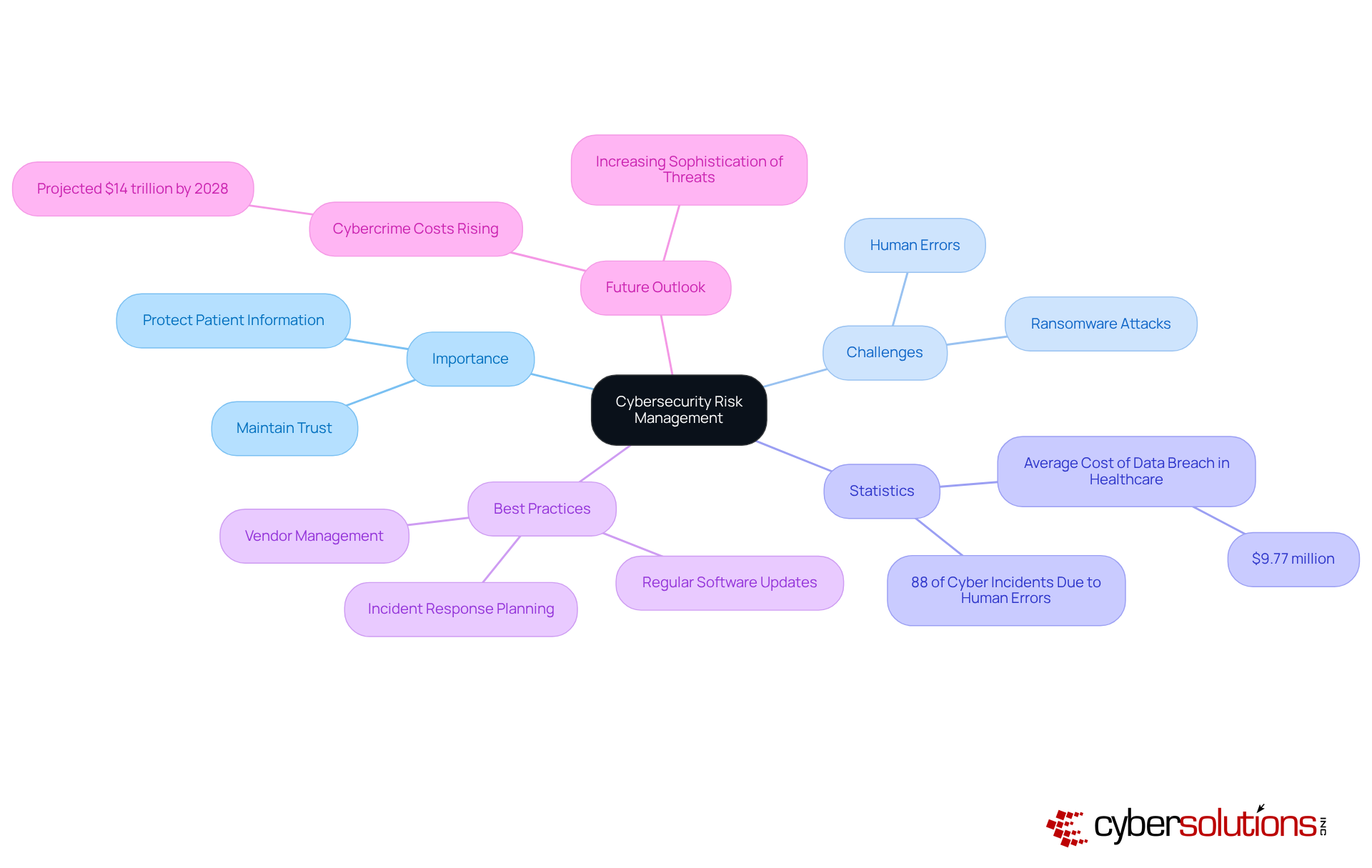
In an era where cyber threats loom larger than ever, the healthcare sector must prioritize cybersecurity to protect sensitive patient information and maintain trust. Cybersecurity threat management means taking a proactive stance to identify and tackle the challenges that can jeopardize your organization’s information systems. This ongoing process involves assessing potential vulnerabilities and understanding the impact of various uncertainties on business operations. Managing digital security challenges is crucial; it serves as a protective shield against online dangers that can lead to data breaches, financial setbacks, and damage to reputation. Smart risk management techniques in cybersecurity not only protect your assets but also ensure compliance with industry regulations, enhancing your organization's resilience against cyber threats.
As we look ahead to 2026, the realm of digital security is advancing, with entities encountering increasingly sophisticated threats. The healthcare sector, particularly vulnerable due to the value of patient records, has reported an alarming rise in ransomware attacks, with costs from data breaches reaching an average of $9.77 million. Similarly, the financial services sector faces approximately $5.9 million for each data breach, underscoring the critical necessity for strong protective measures.
Statistics reveal that 88% of all cyber incidents are attributed to human errors. This highlights the necessity for comprehensive employee training and awareness programs. Furthermore, organizations that adopt proactive management practices can significantly decrease the duration required to detect and control breaches, potentially saving millions in damages. As digital risks continue to grow, incorporating protective measures into daily decision-making becomes crucial for sustaining security awareness and operational integrity.
Statements from industry specialists highlight this urgency: "Cybercrime expenses are anticipated to rise globally to nearly $14 trillion by 2028," indicating the essential need for entities to prioritize cybersecurity management. By adopting foundational best practices, including:
Businesses can strengthen their defenses against the changing landscape of challenges. Cyber Solutions stands ready to assist entities in navigating these challenges, ensuring that they remain resilient in the face of cyber threats. By embracing a robust cybersecurity strategy, organizations can not only safeguard their assets but also position themselves as leaders in the fight against cybercrime.
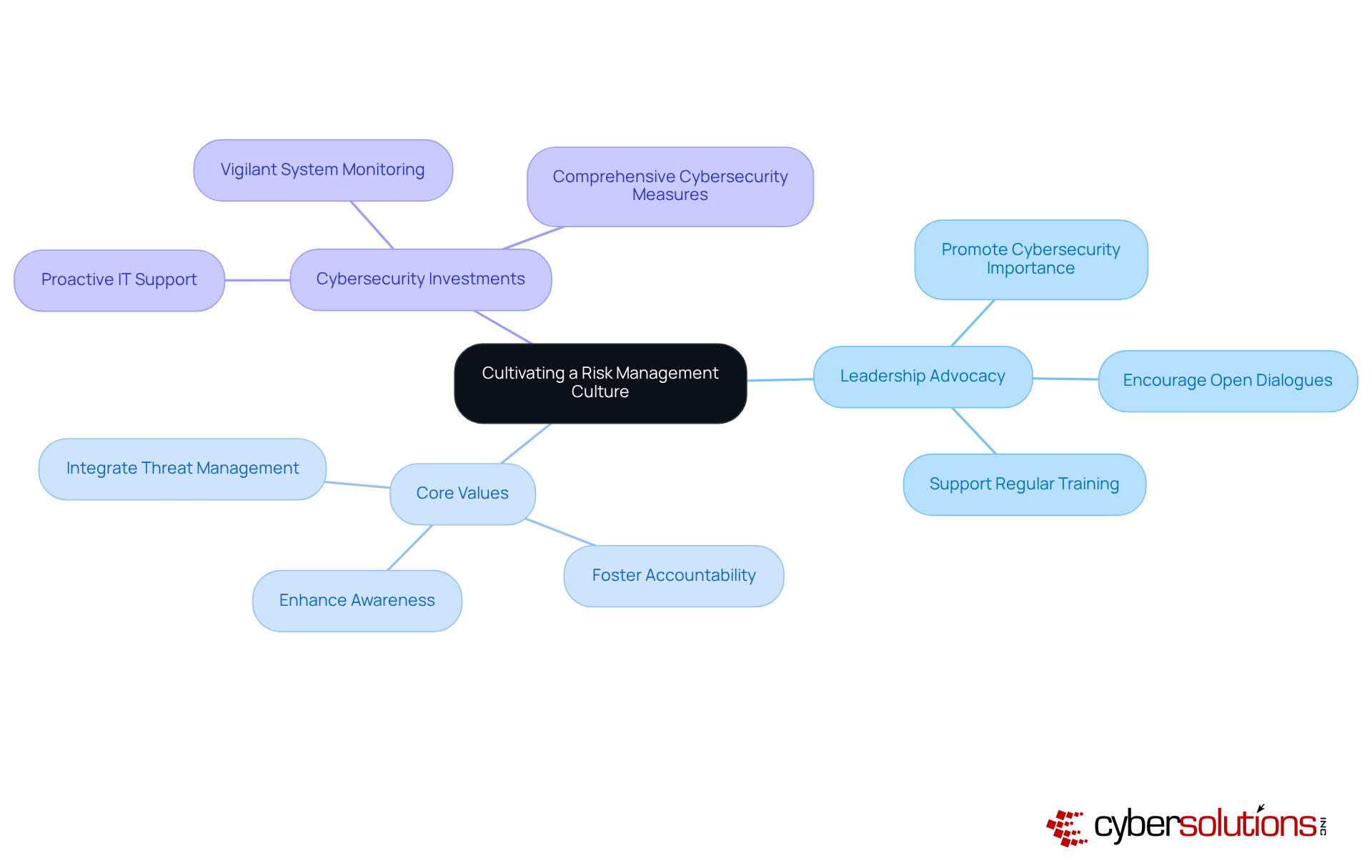
In an era where cyber threats loom large, the importance of robust digital security in healthcare cannot be overstated. To foster a culture of managing uncertainties, leadership must actively advocate the significance of digital security at all levels of the entity. This can be accomplished by incorporating threat management into the organization's core values and decision-making processes.
Leaders should communicate the significance of cybersecurity investments, such as:
It is essential to foster open dialogues about potential challenges, as well as execute regular training sessions and workshops that strengthen this culture. By fostering a culture of accountability and awareness, entities can enhance their resilience against cyber threats, supported by Cyber Solutions' continuous monitoring and infrastructure management services. By prioritizing cybersecurity, organizations not only protect their assets but also ensure the trust of their patients and stakeholders.
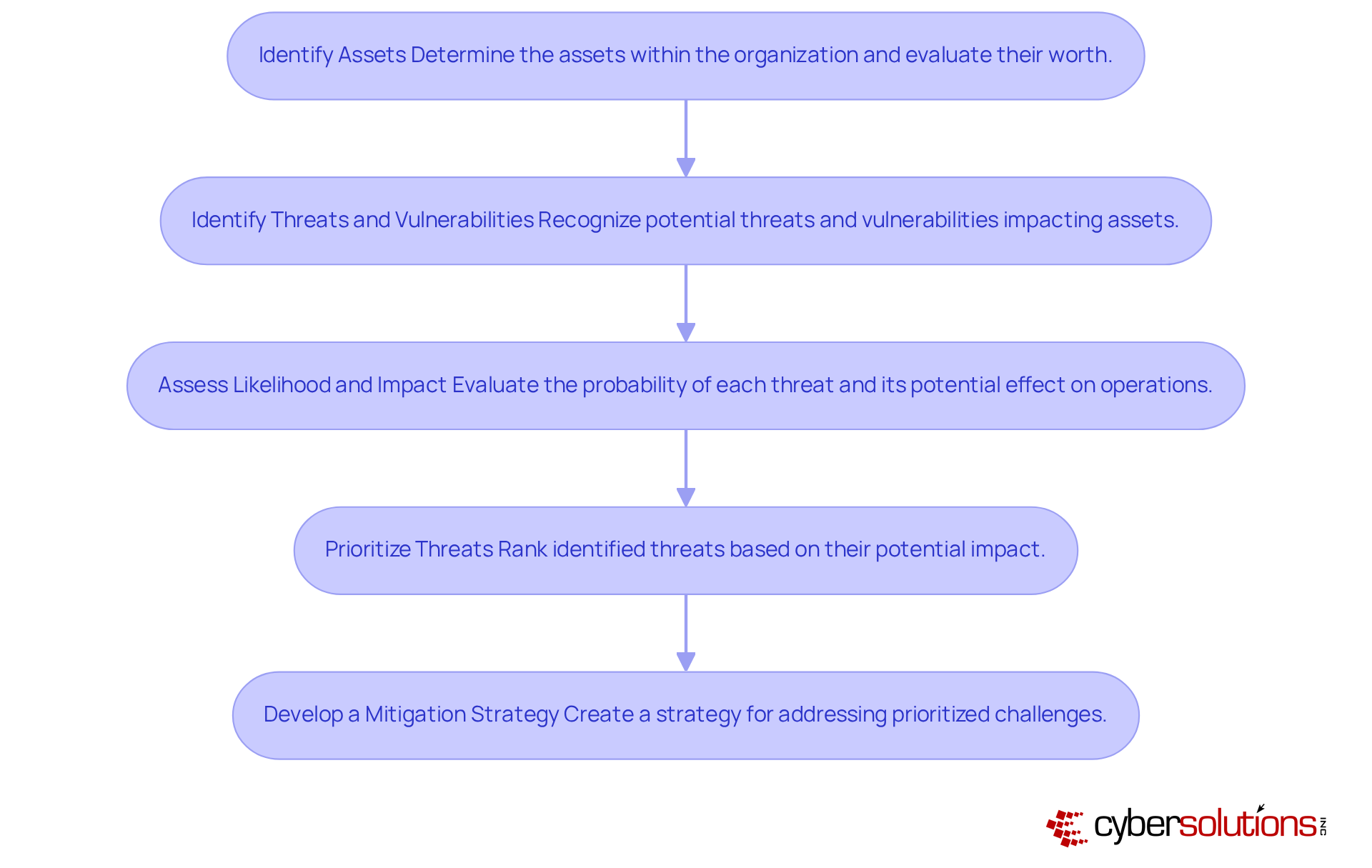
In an era where cyber threats loom larger than ever, the healthcare sector must prioritize robust cybersecurity measures to protect sensitive patient data and maintain trust. To navigate this complex landscape, organizations must undertake several critical steps:
The NJCCIC warns that without sustained funding and authorization, progress in reducing cyber risks will falter, underscoring the need for proactive measures. By performing comprehensive evaluations, entities can make knowledgeable choices about where to allocate resources in digital security measures, ultimately improving their resilience against cyber risks. This proactive approach not only safeguards sensitive data but also aligns cybersecurity initiatives with broader business objectives, fostering trust and operational continuity. Additionally, having a rapid incident response strategy, such as Cyber Solutions' 24-hour on-site support, can significantly mitigate damage and facilitate quicker recovery from incidents, ensuring compliance and operational integrity.
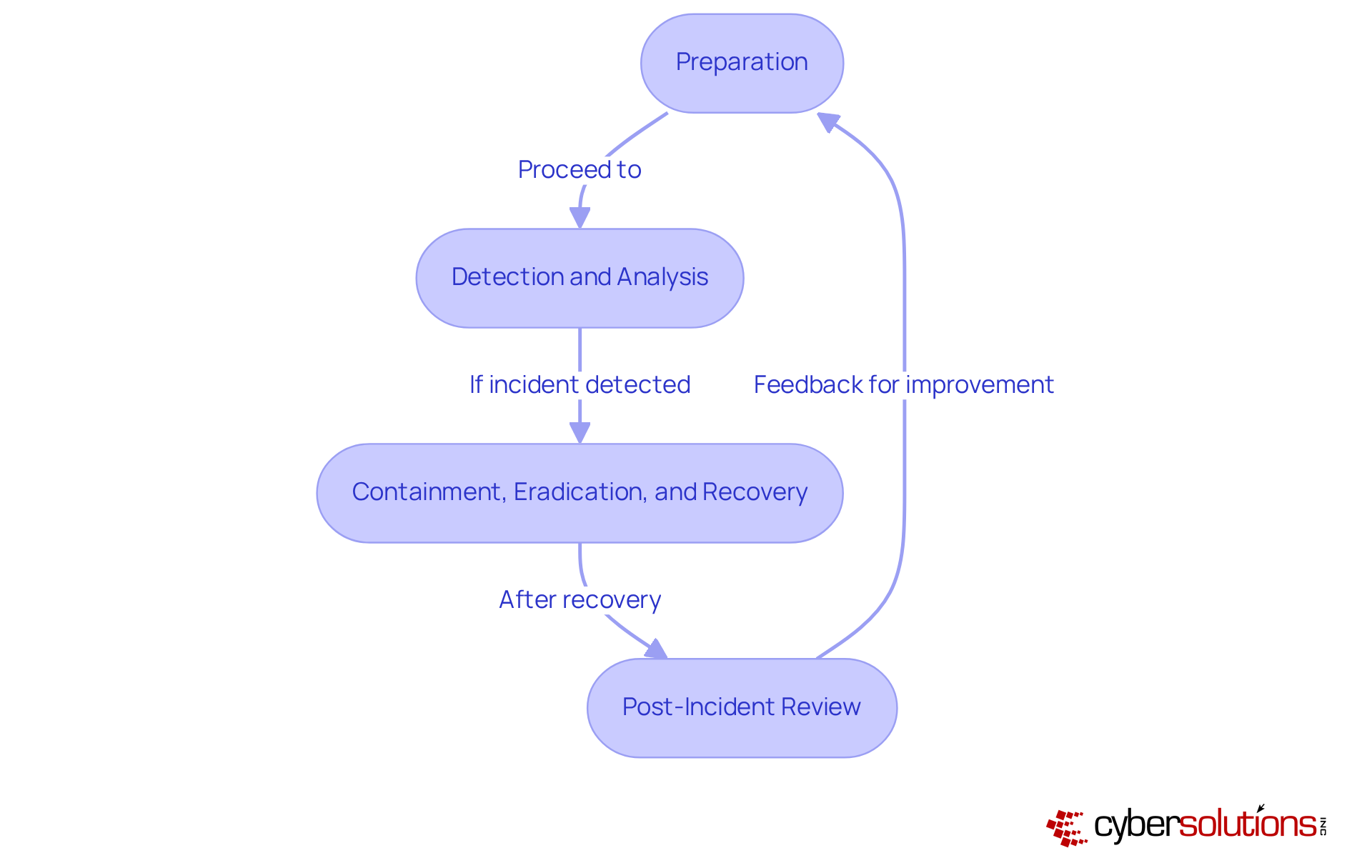
In an era where cyber threats are increasingly sophisticated, a robust incident response plan (IRP) is not just beneficial - it's essential for survival. Key components of a robust IRP include:
It's vital to regularly test your incident response plan with simulations to ensure effectiveness; entities with a validated IRP can lower breach expenses by an average of $2.66 million compared to those lacking one. Furthermore, case studies from South Carolina highlight the importance of tailored incident response strategies that reflect specific industry needs, particularly in sectors like healthcare and finance, where compliance and data protection are paramount. This proactive approach not only mitigates risks but also significantly reduces potential financial losses. By prioritizing a tailored incident response strategy, organizations can safeguard their assets and maintain trust in an unpredictable digital landscape.
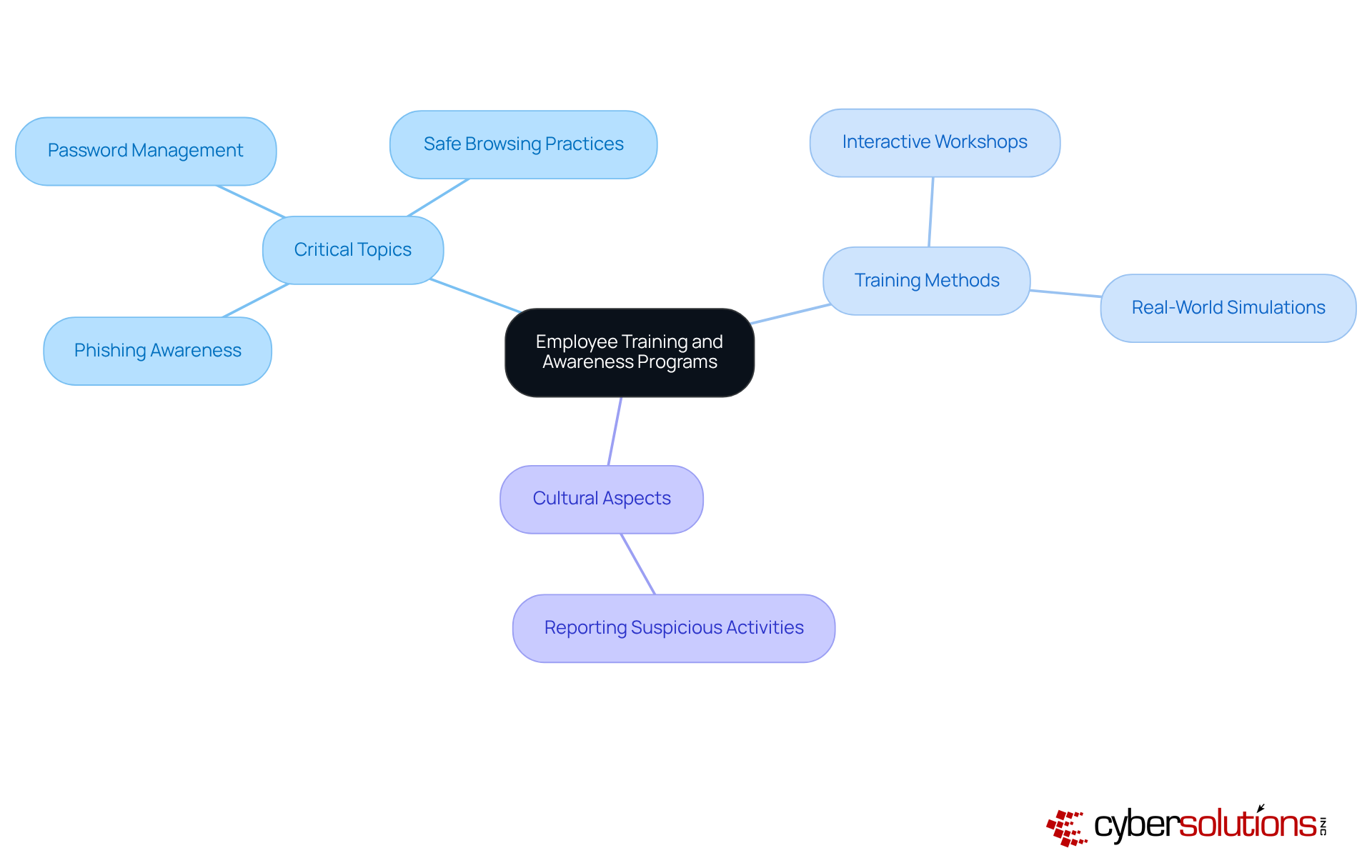
In an era where cyber threats are increasingly sophisticated, prioritizing employee training in cybersecurity is not just beneficial - it's essential for safeguarding healthcare organizations. To effectively prioritize employee training and awareness programs, entities must implement a structured curriculum that encompasses critical cybersecurity topics, including:
Regular training sessions must be updated to keep pace with the latest threats and best practices, ensuring that employees are well-equipped to handle evolving cyber risks. Engaging methods, such as interactive workshops and real-world simulations, significantly enhance knowledge retention and practical application. For instance, organizations that implement regular phishing simulations have observed a 96% enhancement in employee vulnerability to such attacks, illustrating the effectiveness of ongoing training.
Additionally, it's essential to foster a culture where reporting suspicious activities is the norm. It's crucial that employees feel empowered to play their part in safeguarding against threats, as research indicates that 60% of breaches involve human error. By investing in comprehensive employee training, businesses can significantly reduce their vulnerability to cyber threats, ensuring sensitive data remains protected and maintaining operational integrity. This proactive approach enhances security posture and aligns with compliance requirements across various industries, such as HIPAA and PCI-DSS, which mandate documented cybersecurity awareness training. Furthermore, securing executive buy-in is vital for the success of these training initiatives, ensuring that they are treated as a priority within the organization. Without a strong commitment to training, organizations risk not only their data but also their reputation and compliance standing in a rapidly evolving digital landscape.
In an era where cyber threats are escalating at an alarming rate, effective risk management in cybersecurity is not just important; it's essential for survival. By taking a proactive approach to identify vulnerabilities and implement strong protective measures, organizations can safeguard their assets and boost compliance with industry regulations. Cultivating a risk management culture among leadership is crucial, fostering accountability and awareness throughout the organization, ensuring that cybersecurity remains a top priority.
Key strategies include:
Each of these components plays a vital role in building a resilient cybersecurity framework. Regular software updates, incident response planning, and ongoing employee education are essential practices that can significantly mitigate risks and reduce the potential impact of cyber incidents. Organizations that invest in these areas are better positioned to navigate the complexities of the digital landscape and maintain trust with their stakeholders.
It's clear that cybersecurity risk management is crucial for every organization today. As cybercrime continues to evolve, organizations must remain vigilant and proactive in their defense strategies. By embracing best practices and fostering a culture of cybersecurity awareness, businesses can protect sensitive data and solidify their reputation as trustworthy leaders in their industries. Engaging with experts like Cyber Solutions can further enhance these efforts, ensuring that organizations are equipped to face the challenges of an increasingly digital world.
What is cybersecurity risk management and why is it important?
Cybersecurity risk management involves proactively identifying and addressing challenges that can threaten an organization's information systems. It is crucial for protecting sensitive patient information, maintaining trust, and ensuring compliance with industry regulations, especially in sectors like healthcare and finance.
What are the consequences of inadequate cybersecurity measures?
Inadequate cybersecurity can lead to data breaches, financial losses, and damage to an organization's reputation. For instance, the healthcare sector has seen costs from data breaches average around $9.77 million, while the financial services sector faces approximately $5.9 million per breach.
What role does human error play in cybersecurity incidents?
Statistics indicate that 88% of all cyber incidents are attributed to human errors, highlighting the need for comprehensive employee training and awareness programs to mitigate risks.
How can organizations improve their cybersecurity posture?
Organizations can enhance their cybersecurity by adopting best practices such as regular software updates, incident response planning, and vendor management. These measures help strengthen defenses against evolving cyber threats.
What is the significance of cultivating a risk management culture among leadership?
Cultivating a risk management culture among leadership is essential for integrating cybersecurity into the organization's core values and decision-making processes. Leaders should advocate for cybersecurity investments and foster open dialogues about potential challenges.
How can Cyber Solutions assist organizations in managing cybersecurity risks?
Cyber Solutions offers services such as continuous monitoring and infrastructure management to help organizations navigate cybersecurity challenges, ensuring they remain resilient against threats while protecting their assets and maintaining stakeholder trust.
Managed IT Service Provider | Cyber Security | Incident Response | Compliance As A Service | Hosted Phone Service | Managed Security Service Provider | AI As A Service