
Managed IT Services Insights

Understanding Managed Services Benefits and Risks for Executives

Introduction

In today's healthcare landscape, where cyber threats loom large and regulatory scrutiny intensifies, the role of Managed Service Providers (MSPs) has become indispensable. These specialized partners not only deliver solutions that enhance operational efficiency but also play a crucial role in mitigating the risks associated with complex IT environments. As organizations increasingly rely on MSPs, they face the inherent challenges of outsourcing, such as potential loss of control and compliance issues.

How can executives effectively navigate the delicate balance between leveraging the benefits of managed services and safeguarding their organizations against the associated risks? This question is paramount as healthcare organizations strive to protect sensitive data while optimizing their operations.

The implications of these challenges are significant. Cybersecurity threats can lead to devastating consequences, including data breaches and financial losses. Therefore, understanding the unique landscape of these threats is essential for CFOs and other executives. By partnering with MSPs, organizations can not only enhance their cybersecurity posture but also ensure compliance with ever-evolving regulations.

In this context, Cyber Solutions emerge as a vital ally, offering tailored strategies to address these pressing challenges. With the right support, healthcare organizations can confidently navigate the complexities of cybersecurity, ensuring both operational efficiency and robust protection against threats.

Define Managed Services: Core Concepts and Importance

In today's healthcare landscape, cybersecurity is not just a concern; it's a critical priority. With escalating threats and complex compliance requirements, organizations must navigate a minefield of risks that could jeopardize patient data and operational integrity. This is where Managed Service Providers (MSPs) come into play, providing specialized solutions that help healthcare entities understand the managed services benefits and risks, allowing them to focus on what they do best - providing exceptional patient care.

Managed solutions involve outsourcing IT administration to experts, enabling organizations to leverage the knowledge and skills of dedicated professionals. These services encompass proactive monitoring, maintenance, and support of IT infrastructure, including vital areas like network management and cybersecurity. By implementing these controlled solutions, healthcare providers can enhance operational efficiency, reduce costs, and bolster security protocols.

The impact of organized offerings is significant. In fact, companies that adopt managed solutions can expect a reduction in total IT expenses by 20-30% and an increase in efficiency by 15-25% by 2025. This trend is particularly crucial as healthcare organizations face mounting cybersecurity threats and stringent compliance demands. For instance, the healthcare sector increasingly relies on MSPs to manage electronic health records and ensure adherence to regulations such as HIPAA, allowing providers to concentrate on patient care while maintaining robust security and operational efficiency.

Moreover, organizations utilizing MSPs report substantial managed services benefits and risks, reallocating resources from internal IT teams to other essential business needs. Expert insights underscore that controlled IT solutions are no longer optional; they are essential for navigating the complexities of modern IT environments. As technology evolves, the role of MSPs in delivering sophisticated solutions and ensuring compliance will be pivotal for organizations striving to excel in a competitive landscape.

The central node represents Managed Services, with branches showing the core concepts, benefits, risks, and their impact on healthcare operations. Each branch highlights important aspects to consider.

Explore Benefits of Managed Services: Enhancing Efficiency and Security

The significance of managed services in today’s business environment cannot be overstated. Organizations are increasingly recognizing the extensive benefits they offer, which include:
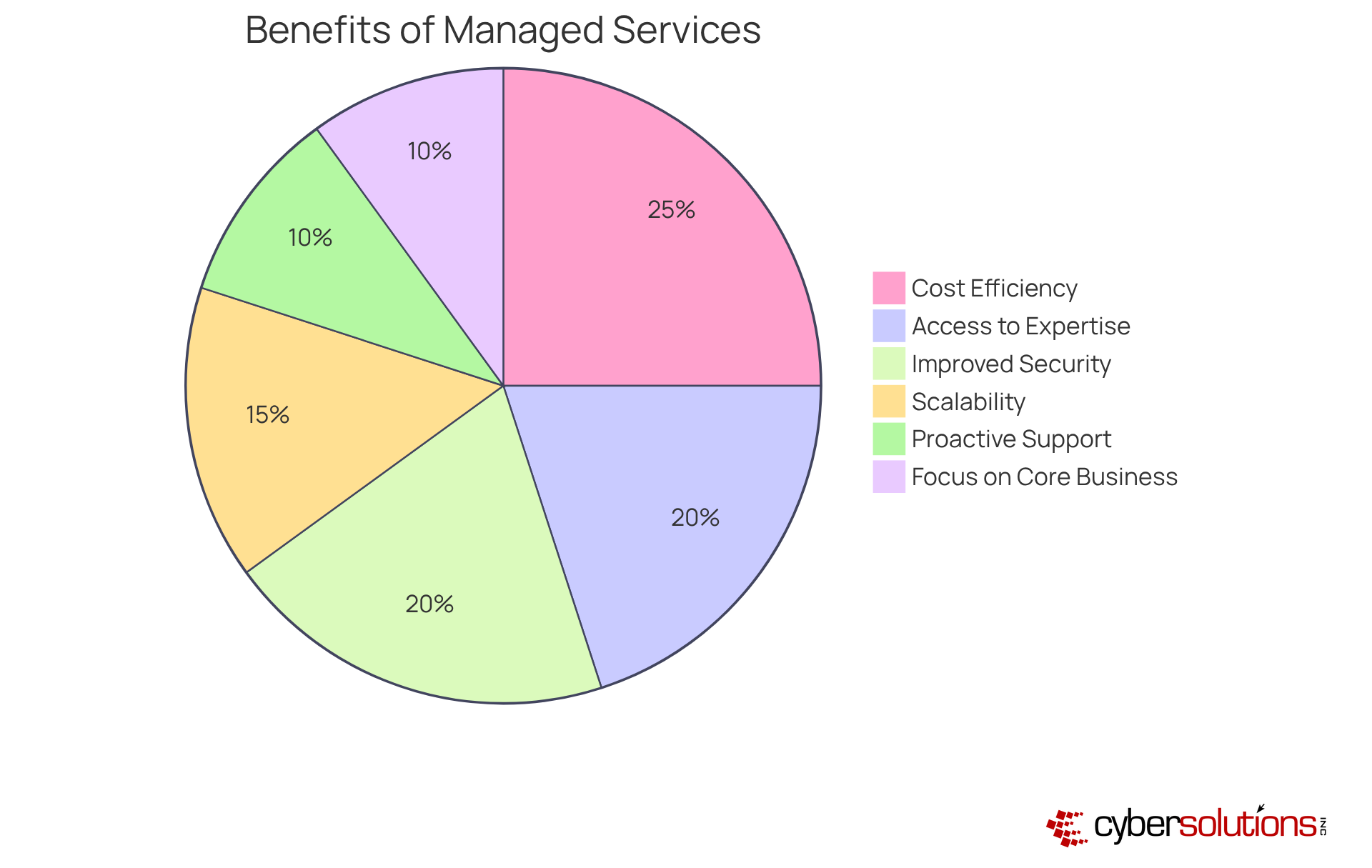
  1. Cost Efficiency: Outsourcing IT functions allows organizations to significantly reduce overhead costs associated with hiring and training in-house staff. This model frequently proves to be more cost-effective than maintaining a full-time IT team, highlighting the managed services benefits and risks, as managed solutions generally cost less than employing a single mid-level IT worker.

  2. Access to Expertise: Managed Service Providers (MSPs) deliver specialized knowledge and skills that may not be available internally. This ensures that businesses stay current with the latest technologies and best practices, allowing them to leverage advanced tools while understanding the managed services benefits and risks, without needing in-house expertise.

  3. Improved Security: Managed solutions often feature extensive cybersecurity protocols, essential for safeguarding sensitive information and ensuring compliance with regulatory obligations such as GDPR and HIPAA. With 24/7 surveillance and swift incident response capabilities, MSPs help organizations address the managed services benefits and risks associated with cyber threats.

  4. Scalability: As companies grow, managed solutions can effortlessly adapt to meet rising demands without requiring substantial capital expenditure. This flexibility allows organizations to adjust their IT infrastructure in accordance with the managed services benefits and risks related to their growth trajectories.

  5. Proactive Support: Continuous monitoring of systems by MSPs facilitates early detection of potential issues, minimizing downtime and enhancing overall productivity. This proactive approach not only highlights the managed services benefits and risks but also safeguards operations and supports business continuity during unexpected disruptions.

  6. Focus on Core Business: By transferring IT responsibilities to outsourced providers, companies can concentrate on their primary business goals. This strategic shift enables organizations to drive growth and innovation while considering the managed services benefits and risks associated with operating IT systems effectively and securely.

Each segment of the pie chart represents a key benefit of managed services. The size of each slice indicates how significant that benefit is in enhancing efficiency and security for organizations.

Assess Risks of Managed Services: Challenges and Considerations

While managed services offer numerous advantages, organizations must also confront several inherent risks that can significantly impact their operations:

  1. Dependency on Third Parties: Relying on a Managed Service Provider (MSP) can expose organizations to vulnerabilities, especially if the provider fails to deliver adequate service or suffers a security breach. With 81% of organizations depending on third-party vendors for cybersecurity, the stakes are high. Any lapse can lead to substantial operational disruptions.

  2. Loss of Control: Outsourcing IT functions often results in a perceived loss of control over critical business processes and data management. This can create challenges in maintaining oversight and ensuring that the organization’s strategic objectives are met, particularly when sensitive data is involved.

  3. Compliance Risks: Organizations must rigorously ensure that their MSP adheres to relevant regulations. Non-compliance can lead to severe penalties, with 28% of MSPs citing data privacy as a significant concern. As regulatory frameworks evolve, the risk of falling out of compliance increases, necessitating vigilant oversight.

  4. Cultural Misalignment: Differences in corporate culture between the organization and the MSP can lead to misunderstandings and inefficiencies. This misalignment can hinder collaboration and impact the overall effectiveness of the partnership, making it crucial for organizations to evaluate cultural compatibility before engaging an MSP.

  5. Concealed Expenses: While oversight solutions can be economical, organizations should remain vigilant regarding possible concealed charges that may arise from service level agreements (SLAs) or supplementary provisions. A significant number of companies-79%-do not conduct comprehensive cost assessments before outsourcing, which can lead to unexpected financial burdens down the line.

By understanding these challenges, organizations can enhance their readiness for the complexities of collaborating with providers, ensuring they optimize managed services benefits and risks while mitigating potential issues.

The central node represents the overall risks of managed services, while each branch highlights a specific risk. Additional points or statistics under each branch provide deeper insights into the challenges organizations face.

Guide to Selecting Managed Services: Key Criteria and Best Practices

When it comes to selecting a managed service provider (MSP), executives must recognize the critical importance of making an informed choice. In today’s landscape, where cybersecurity threats loom large, the right partnership can significantly bolster your organization’s defenses. Here are several essential criteria to consider:

  1. Expertise and Experience: Assess the MSP's track record and industry experience. A provider with a proven history in your sector is more likely to understand your unique challenges and deliver effective solutions.

  2. Offerings: Ensure the MSP provides a comprehensive range of solutions that align with your IT requirements, including cybersecurity, cloud options, and technical assistance. This range of offerings can streamline operations and enhance security.

  3. Scalability: Select a provider able to expand their offerings as your business develops. This flexibility is essential for maintaining a long-term partnership that adapts to evolving business demands.

  4. Security Measures: Evaluate the MSP's security protocols and compliance with industry regulations. With 60% of organizations citing cybersecurity as a top challenge, ensuring robust security measures is paramount to protect sensitive data.

  5. Communication and Support: Seek an MSP that prioritizes clear communication and provides robust support options, including 24/7 help desk assistance. Effective communication can significantly enhance issue resolution and operational efficiency.

  6. Client References and Reviews: Seek testimonials and case studies from other clients to gauge the MSP's reliability and effectiveness. Organizations that have successfully evaluated service offerings often highlight the importance of this step in their decision-making process.

By focusing on these criteria, executives can make informed decisions that align with their strategic goals and enhance their organization's IT capabilities.

The central node represents the overall goal of selecting an MSP, while each branch highlights a critical criterion to consider. This layout helps you see how each factor contributes to making an informed choice.

Conclusion

Managed services have become an essential strategy for organizations, especially in the healthcare sector, where safeguarding sensitive data and adhering to regulations are crucial. By outsourcing IT functions to Managed Service Providers (MSPs), organizations not only enhance operational efficiency but also significantly bolster their cybersecurity posture. This shift allows them to concentrate on delivering high-quality patient care.

The benefits of managed services are compelling:

  • Cost efficiency
  • Access to specialized expertise
  • Improved security measures
  • Scalability
  • Proactive support
  • Ability to focus on core business objectives

However, it’s vital to recognize the inherent risks, such as:

  • Dependency on third parties
  • Loss of control
  • Compliance challenges
  • Cultural misalignment
  • Potential hidden costs

Understanding these dynamics is essential for executives aiming to navigate the complexities of managed services effectively.

Ultimately, engaging with an MSP should be a strategic and well-informed decision. By carefully selecting a provider that aligns with organizational goals and prioritizes security and communication, executives can leverage managed services to mitigate risks while driving innovation and growth. Embracing managed services is not just a trend; it’s a critical step toward achieving sustainable success in an increasingly competitive landscape.

Frequently Asked Questions

What are managed services in the context of healthcare?

Managed services in healthcare involve outsourcing IT administration to experts, allowing organizations to benefit from specialized solutions for IT infrastructure, including proactive monitoring, maintenance, and support.

Why are managed services important for healthcare organizations?

Managed services are crucial for healthcare organizations as they help navigate cybersecurity threats and compliance requirements, enabling providers to focus on delivering exceptional patient care while enhancing operational efficiency and security.

What specific benefits do healthcare organizations gain from using Managed Service Providers (MSPs)?

Healthcare organizations using MSPs can expect a reduction in total IT expenses by 20-30% and an increase in efficiency by 15-25% by 2025, along with improved management of electronic health records and compliance with regulations such as HIPAA.

How do managed services impact operational efficiency in healthcare?

By implementing managed services, healthcare providers can enhance operational efficiency, reduce costs, and bolster security protocols, allowing them to reallocate resources from internal IT teams to other essential business needs.

What trends are driving the adoption of managed services in healthcare?

The increasing cybersecurity threats and stringent compliance demands in the healthcare sector are driving the adoption of managed services, as organizations seek to maintain robust security and operational efficiency while focusing on patient care.

Are managed services considered optional for healthcare organizations?

No, expert insights indicate that managed services are no longer optional; they are essential for navigating the complexities of modern IT environments in healthcare.

Recent Posts
10 Essential MSP IT Plans for C-Suite Leaders to Enhance Efficiency
Understanding Managed Services Benefits and Risks for Executives
10 Essential Security Services in Information Security for C-Suite Leaders
Create Your CMMC SSP: A Step-by-Step Guide for Leaders
Understanding CVE Funding Cuts: Impacts and Strategies for Leaders
IT Spending as a Percentage of Revenue by Industry: Key Insights
Understanding MSP Company Meaning: Role and Impact for Leaders
10 Examples of Managed Service Providers for C-Suite Leaders
10 Benefits of Defensive Artificial Intelligence for C-Suite Leaders
10 Key Insights on What Juice Jacking Means for Your Business
10 Insights on IT Spending as Percentage of Revenue for Leaders
10 Key Benefits of SSL DPI for C-Suite Leaders
10 Benefits of Managed Firewall Solutions for Business Security
10 Essential Emergency IT Support Services for C-Suite Leaders
Understanding Hourly IT Support Rates: Key Factors and Calculations
10 Essential SMB IT Services to Enhance Security and Efficiency
10 Digital Certificate Types Every C-Suite Leader Should Know
Understanding Juice Jacking Meaning: Protect Your Business Today
10 Essential Practices for Effective Cybersecurity Documentation
Protect Your Business: Combat USB Drop Attacks Effectively
Essential IT Services SMBs Must Consider for Success
What Is Threat Intelligence in Cybersecurity and Why It Matters
Understanding Endpoint Protection: Definition and Key Insights
10 Key Benefits of Managed Services Security Companies for Leaders
Backup vs Archiving: Key Insights for C-Suite Leaders
Meet the CMMC Compliance Deadline: Steps for C-Suite Leaders
3 Best Practices for Effective Disaster Recovery Storage Solutions
10 Essential Malware Prevention Best Practices for Executives
10 Essential Strategies for Effective Voice Disaster Recovery
Best Practices for Data and System Recovery in Your Organization
Understanding Outsourced IT Support Costs for Strategic Leaders
10 Key Factors Influencing Cyber Security Certification Cost
Mastering Your Information Security Assessment: A Step-by-Step Guide
10 Key Elements of a NIST Incident Response Plan for Leaders
Master Cyber Security Assessment: A Step-by-Step Approach
7 Managed Services Billing Software Solutions for C-Suite Leaders
10 Essential CMMC Controls for C-Suite Leaders to Implement
Master Compliance in Cyber Security: Strategies for C-Suite Leaders
10 Benefits of 24/7 Managed IT Services for C-Suite Leaders
Master Cyber Security KPIs to Align with Business Goals
10 Managed Services Cyber Security Strategies for C-Suite Leaders
What Does Compliance Mean in Business? Key Insights for Leaders
4 Key Insights on the Cost of IT for C-Suite Leaders
Implement an External Vulnerability Scanner: A Step-by-Step Guide
What is Failover? Key Insights for Business Continuity Leaders
Understanding Managed IT Support Pricing: Key Factors and Models
Understand Spam Bombs: Protect Your Organization from Attacks
Master Internal Vulnerability Scanning: Best Practices for Executives
10 Key Insights on Configuration vs Change Management for Leaders
What Cybersecurity Professionals Use Logs For: Key Insights and Practices
10 Essential Data Backup Strategies for C-Suite Leaders
10 Reasons to Choose a Managed IT Support Company for Your Business
Why Partnering with a Cybersecurity Compliance Company Matters
Master Cloud Backup and Disaster Recovery for Business Resilience
10 Key Elements of a Security Assessment Report for Leaders
10 Key Insights on Vulnerability Scanning vs Penetration Testing
10 Safe Web Browsing Tips for C-Suite Leaders to Enhance Security
10 Essential Firewall Solutions for C-Suite Leaders
10 Essential Information Security Alerts for C-Suite Leaders
Master IT Security Alerts: Essential Insights for C-Suite Leaders
10 Reasons C-Suite Leaders Need Custom Business Software Now
10 Benefits of Custom Business Software Development for Executives
Understanding Business Custom Software: Importance and Benefits for Leaders
10 Key Attack Vectors Definitions Every C-Suite Leader Must Know
10 Key Features of Customizable Business Software for Executives
What Is Secure Browsing? Key Insights for C-Suite Leaders
4 Best Practices for Choosing a Managed IT Consultant
Understanding MSP Technology Meaning for Business Leaders
10 Ways Custom Software Transforms Your Business Operations
Master NIST SP 800-171 Revision 2: A Step-by-Step Approach
Master Network Security as a Service: A C-Suite Guide to Implementation
Top Managed IT Services in Greenville, SC for Business Leaders
7 Ways Customized Business Software Drives Growth and Efficiency
Why Do Hackers Hack? Understanding Motivations and Impacts
10 MSP Examples to Inspire C-Suite Leaders in 2025
Master Local IT: Strategies for C-Suite Leaders to Drive Success
Ensure Safe Data Backup: Key Strategies for C-Suite Leaders
Master EDR Endpoint: Key Insights for C-Suite Leaders in Cybersecurity
Achieve CMMC Cybersecurity Compliance: A Step-by-Step Guide
10 Key Elements of an Effective Business Disaster Recovery Plan
10 Key Benefits of Managed Firewalls for C-Suite Leaders
10 Managed Security Solutions to Protect Your Business
Understanding Compliance Meaning in Business: Importance and Impact
Master Managed Service Provider Pricing: A Step-by-Step Guide for C-Suite Leaders
Understanding Business IT Services Companies: Key Roles and Benefits
Understanding Fully Managed IT Support: Key Benefits for Leaders
10 Managed IT Services for Small Businesses Near You
10 Benefits of Security as a Service Cloud for C-Suite Leaders
Why SIEM Cybersecurity is Essential for Business Resilience
4 Steps to Co Manage IT for Enhanced Operational Efficiency
10 Benefits of Information Technology Managed Services for Leaders
Master EDR Cyber: Enhance Your Cybersecurity Strategy Today
10 Essential Strategies for Disaster Recovery and Backup Success
10 Essential IT MSP Services for C-Suite Leaders to Enhance Security
10 CMMC Level 2 Requirements Every C-Suite Leader Must Know
Why Choosing a Managed Firewall Service Provider Matters for Security
5 Steps to Choose the Right Cybersecurity Firms Near Me
5 Best Practices to Combat Password Spray Attacks Effectively
Best Practices for Choosing a Data Backup Service for Your Business
What Is Endpoint Detection and Response in Cybersecurity?

Join our newsletter

Sign up for the latest industry news.
We care about your data in our privacy policy.
Thank you! Your submission has been received!
Oops! Something went wrong while submitting the form.